What Makes the Best Workout Supplement Store: Practical Checklist for Retailers
-
- May 03rd, 2026
- 244 views

Get a free topical map and start building content authority today.
Intent: Informational
The best workout supplement store balances product quality, clear compliance, smart merchandising, and an experience that builds trust. This guide breaks down the core elements operators, managers, and aspiring retailers need to evaluate and implement.
Use the CLEAR framework and the accompanying sports nutrition retail checklist to design a supplement store that prioritizes third-party testing, clear labeling, knowledgeable staff, and a customer-first layout. Includes practical tips, a short scenario, and common mistakes to avoid.
What makes the best workout supplement store
Defining a great shop starts with three priorities: product integrity, clear customer education, and an operational model that reduces risk. That combination is what separates a trusted specialty retailer from a crowded online marketplace.
CLEAR framework: a named checklist for store design and operations
Introduce a repeatable framework called CLEAR (Curation, Lab-testing, Education, Arrangement, Regulation). It provides a compact, memorable structure to guide decisions.
- Curation — narrow categories to what customers actually need (e.g., whey and plant proteins, creatine, pre-workout, recovery blends, hydration/electrolytes, and essential vitamins).
- Lab-testing — prioritize brands with third-party testing or offer lab-verified private-label products; display Certificates of Analysis (COAs) where possible.
- Education — clear signage, simple usage directions, and staff training to explain evidence-based benefits and dosing.
- Arrangement — floor plan and shelf strategy that promote flow, discovery, and safe sampling policies.
- Regulation — documented procedures for labeling, claims, and returns; follow national guidance for dietary supplements.
For regulation references, review official best-practice material from the U.S. Food and Drug Administration on dietary supplements: FDA — Dietary Supplements.
Core components explained
Product selection and sourcing (supplement product selection)
Select SKUs using sales data, competitive research, and customer profiles. Prefer suppliers who provide batch COAs and use Good Manufacturing Practices (GMP). Include reliable basics (protein, creatine, multivitamins) plus a handful of category specialists (e.g., joint support, vegan proteins, sports hydration).
Layout and flow (supplement store layout)
Arrange the store with high-demand, low-margin items near the front and higher-margin specialty products in curated displays. Use a primary sightline from the entrance to a feature wall, create a testing/sample station if allowed, and dedicate clear zones for performance, recovery, and general wellness.
Customer education and trust signals
Post clear product labels that show active ingredients, suggested use, and any known contraindications. Offer short printed or digital product guides and train staff to direct customers to evidence-based resources (peer-reviewed meta-analyses, consensus statements from nutrition societies, etc.). Mention common active ingredients—whey, casein, BCAA, creatine monohydrate, caffeine—so customers can compare.
Sports nutrition retail checklist
Use this compact checklist during setup and audits (also useful as a staff onboarding sheet):
- Vendor verification: COAs on file for each brand or SKU.
- Label accuracy: Ingredient list, serving size, and allergen info visible.
- Display strategy: Primary, impulse, and education zones defined.
- Staff training: 2-hour baseline training on product categories and contraindications.
- Compliance folder: Regulatory guidance, returns policy, and incident reporting forms.
Practical tips for immediate improvements
- Implement a simple in-store product comparison board that shows one-line benefits and key actives—helps reduce decision friction.
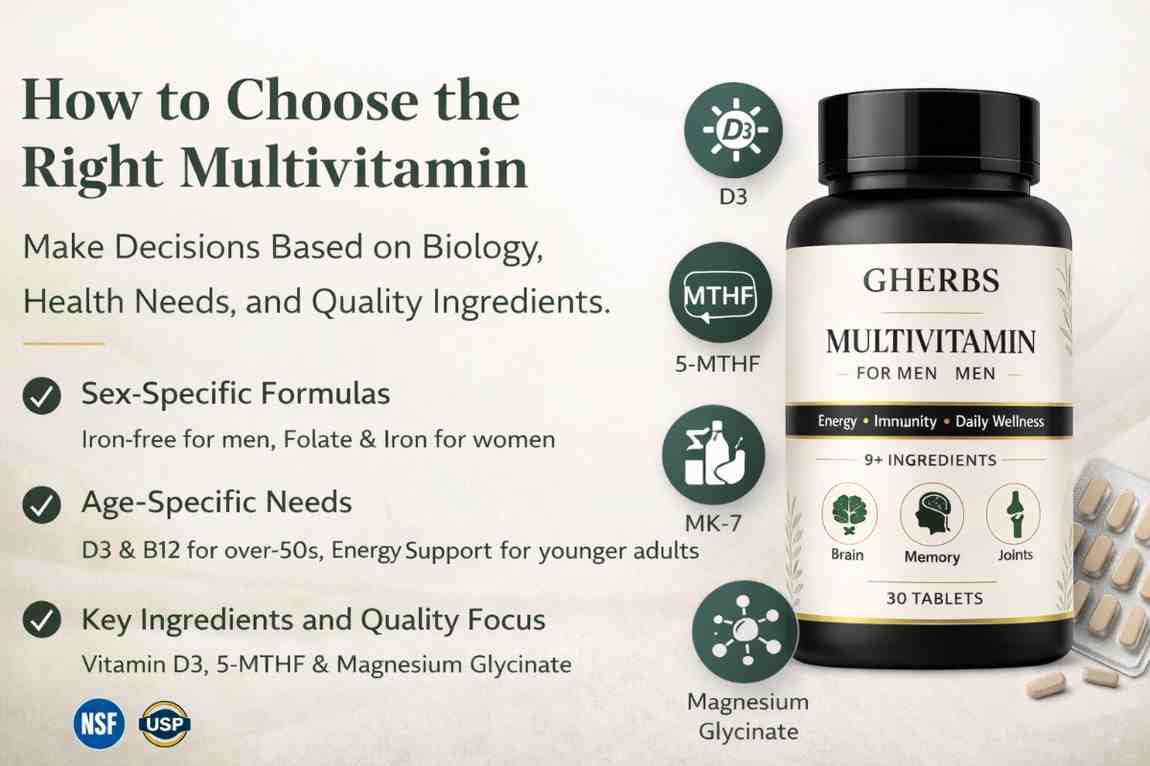
- Post visible trust badges for third-party testing (NSF, USP, Informed Sport) when available to increase credibility.
- Use small samplers or single-serve tester packs to increase trial without large inventory risk.
- Schedule occasional mini-education events with local trainers or nutritionists to drive foot traffic and position the store as a resource.
Common mistakes and trade-offs
Understand trade-offs that affect margins, risk, and experience:
Common mistakes
- Overstocking low-turn SKUs: Ties up capital and increases expiry risk.
- Relying solely on price competition: Competes on margin against big online retailers; value must include education or service.
- Neglecting compliance documentation: Missing COAs or unclear labeling raises legal and reputational exposure.
Trade-offs
Choosing to stock premium, third-party tested products reduces risk but can lower traffic if prices are high. Conversely, competing on price can grow volume but increases regulatory scrutiny and reduces perceived trust—balance by offering budget tiers and premium verified tiers.
Short real-world scenario
A mid-size gym added a 10-foot retail corner focused on recovery and performance supplements. Applying the CLEAR framework, the operator curated 25 high-turn SKUs, required COAs for new brands, created a small education rack, and trained front-desk staff on one-line benefits per product. Within a quarter the shop reported steadier daily purchases and a higher average ticket, driven by clearer signage and staff recommendations—demonstrating how structure and trust signals improve conversion without large marketing spends.
Core cluster questions
- How should a supplement store verify third-party testing for products?
- What layout changes increase conversion in a specialty nutrition shop?
- Which products should be prioritized for new retail supplement stores?
- How to train staff to answer basic supplement safety and dosing questions?
- What documentation should a retailer keep to prove regulatory compliance?
Measuring success
Track a few clear KPIs: sell-through rate per SKU, average transaction value, returns related to labeling or adverse reports, and conversion rate for education-led purchases. Use short monthly audits against the sports nutrition retail checklist to keep standards consistent.
When to consult professionals
Contact legal counsel for complex labeling or claim questions and a compliance consultant when launching private-label products. For product safety concerns or adverse-event reporting, follow official channels recommended by national authorities.
FAQ
How to find the best workout supplement store near me?
Look for stores that display third-party testing badges, have clear ingredient labels, and can explain product dosing. Local reviews that mention staff knowledge and transparent return policies are useful signals.
What is the safest way to check if a supplement is third-party tested?
Ask for a Certificate of Analysis (COA) tied to the batch number or look for certifications from recognized organizations (NSF, USP). Cross-check brand claims with the certifier's public database when available.
How should a small store manage inventory risk for supplements?
Start with a tight assortment of proven, high-turn SKUs, buy smaller case sizes, and use single-serve testers. Run fast-moving items on auto-reorder thresholds based on sell-through data.
What content should staff be trained to provide to customers?
Train staff on category basics, evidence-based dosing ranges, common interactions or contraindications, and when to refer customers to a healthcare professional. Keep a simple one-pager for quick reference.
Which signs indicate a low-quality supplement brand?
Poor or vague labeling, no batch information, exaggerated claims about curing conditions, and lack of third-party testing are red flags. Reputable brands provide clear ingredient lists and accessible testing documentation.