Aerolam Premium CPP Films: Why Manufacturers Choose Them for High-Performance Packaging
-

- March 08th, 2026
- 180 views

Get a free topical map and start building content authority today.
Detected intent: Informational
Companies that specify film for food, medical, and industrial packaging often search for trusted options; Aerolam premium CPP films appear frequently on those lists. This guide covers product attributes, performance drivers, testing checklists, and real-world use cases to explain why Aerolam premium CPP films are considered a dependable choice.
Aerolam premium CPP films are cast polypropylene films engineered for consistent gauge control, optical clarity, and heat-seal performance. This article summarizes key properties, inspection and testing checkpoints (Aerolam CPP Quality Checklist), trade-offs, and actionable tips for specifying and testing film in packaging designs.
Aerolam premium CPP films: Overview and key properties
Cast polypropylene (CPP) is a common material choice for flexible packaging because of its strength, heat-sealability, and transparency. Aerolam premium CPP films differentiate themselves through tighter process control, additive packages for sealability and anti-fog where required, and consistent surface energy for printing and lamination. Typical attributes to expect include low haze, high gloss, balanced stiffness, and tailored seal ranges for fast production lines.
What “premium” means in CPP manufacturing
Premium designations generally imply the producer maintains tighter tolerances, performs more frequent in-line QC, and offers refined formulations that improve key functional properties: heat-seal window, slip and antiblock behavior, and adhesion to inks and adhesives. Standards from bodies like ASTM and ISO guide many of the test methods used to verify those attributes (for example, ASTM D-1894 for coefficient of friction testing).
Common technical terms
- Gauge: film thickness, typically in microns or mils
- Seal initiation temperature (SIT): temperature where a reliable seal can be made
- Haze and gloss: optical clarity measures
- CFF (cold fold freezer) performance and anti-fog: features important for chilled/frozen foods
How Aerolam premium CPP films perform in use
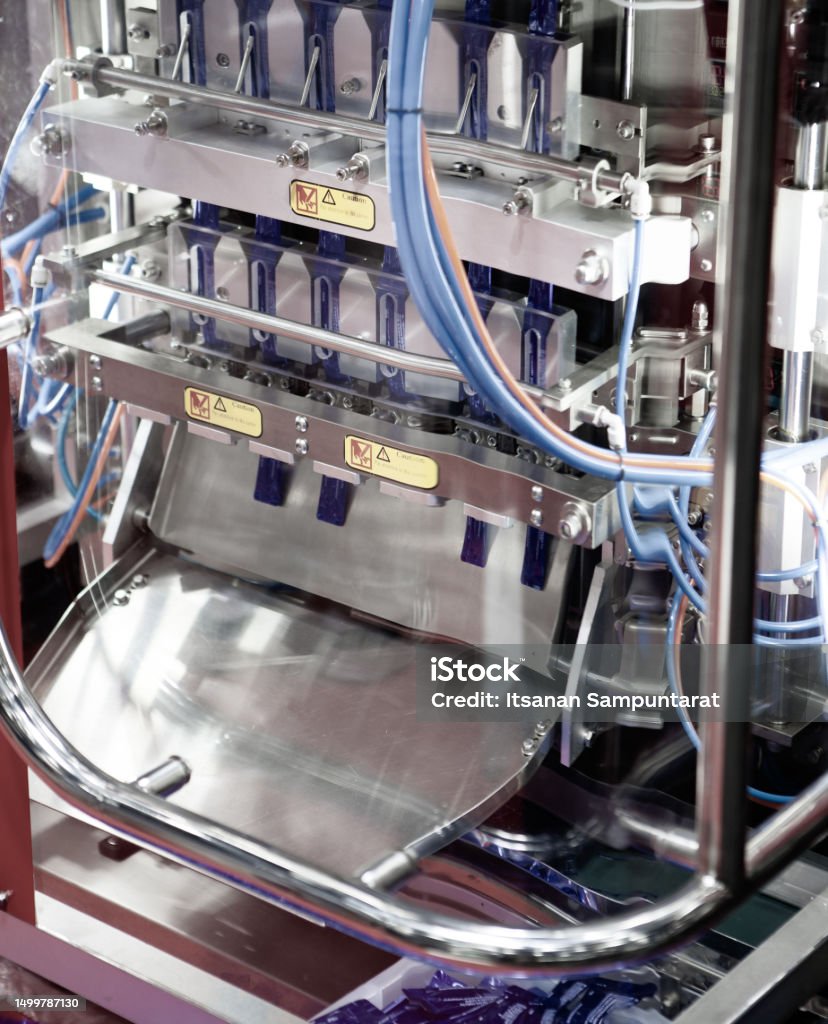
Performance is often judged by production-scale metrics: runnability on form-fill-seal machines, seal strength at production speeds, and compatibility with inks, adhesives, or lamination layers. For specific packages—stand-up pouches, overwraps, or lidding—Aerolam premium CPP films are typically selected for predictable sealing windows, uniform heat-seal strength, and reliable optics.
Relevant secondary topics: cast polypropylene film properties
Cast polypropylene film properties include tensile strength, elongation at break, modulus, and thermal behavior. These properties influence puncture resistance, tear propagation, and machine performance. When comparing options, check the supplier’s technical data sheet for test methods, typical values, and tolerances.
Aerolam CPP Quality Checklist (named framework)
The Aerolam CPP Quality Checklist offers a repeatable framework for acceptance testing before full production runs. Use it as an incoming inspection and process verification tool.
- Visual inspection: clarity, pinholes, and surface defects
- Gauge verification: sample across roll width (± tolerance per spec)
- Seal testing: sealed lap shear at production dwell & temperature
- CFF/anti-fog verification: visual fogging and condensation tests if required
- CfR & COF tests: coefficient of friction and slip properties
Practical example: switching to Aerolam in a microwaveable pouch line
Scenario: A contract packer has frequent seal failures when converting a laminated PET/CPP structure to run at higher turret speeds. After sampling Aerolam premium CPP films, the packer followed the Aerolam CPP Quality Checklist, measured the seal initiation temperature, and adjusted dwell profiles. The result was a 40% reduction in line stoppages caused by weak seals and improved package clarity reported by the brand owner.
Practical tips for specifying and testing
- Specify the seal window numerically (SIT and optimum seal temperature) rather than a vague requirement like “easy to seal.”
- Request roll-to-roll samples and perform trial runs at actual production speeds—lab tests alone can miss runnability issues.
- Include tolerance bands for gauge and COF in purchase orders to avoid surprises when swapping batches.
- Ask for shelf-life and anti-fog data if packaging chilled or frozen foods; include migration tests for food contact when required by regulations.
Trade-offs and common mistakes when choosing CPP films
Trade-offs are inevitable. Higher clarity often comes with a small reduction in stiffness; increased slip additive content can affect print adhesion. Common mistakes include:
- Not verifying the seal window on the actual sealing equipment—lab conditions can differ from high-speed jaws.
- Assuming all CPPs have identical anti-fog behavior—formulations vary widely.
- Overlooking the impact of humidity and storage conditions on static cling and blocking.
Regulatory and standards references
For safety and test protocols, suppliers and specifiers commonly reference standards from ASTM and ISO for mechanical and optical testing. For general industry context on plastics and material types, see PlasticsEurope for an overview of polypropylene and its applications: PlasticsEurope.
Core cluster questions
- How do CPP films compare to BOPP and metallized film for food packaging?
- What tests prove a CPP film’s heat-seal reliability on high-speed lines?
- How does film gauge variation affect pouch forming and sealing?
- Which additives improve anti-fog without compromising printability?
- What are best practices for storing CPP film rolls to avoid blocking?
Common mistakes when qualifying a new film supplier
Beyond the trade-offs listed earlier, qualification failures often stem from incomplete documentation (missing TDS or MSDS), lack of compatibility data for inks/adhesives, and insufficient pilot runs. Require a complete technical package and a two-stage trial: lab acceptance followed by scaled production verification.
Final checklist before approval
Use the Aerolam CPP Quality Checklist during the final approval gate. Approve only when visual, mechanical, and process metrics meet the spec and when any required regulatory tests for food contact or sterilization have been completed.
FAQ
Are Aerolam premium CPP films suitable for high-speed form-fill-seal machines?
Yes. Aerolam premium CPP films are typically engineered for runnability and predictable seal windows that support high-speed form-fill-seal equipment, but validation runs at production speed are recommended to confirm compatibility.
What are the key differences between Aerolam premium CPP films and standard CPP?
Differences include tighter gauge tolerances, enhanced additive packages for sealability and anti-fog, and more rigorous in-line quality control during manufacturing. These improvements reduce rejects and improve consistency.
How should cast polypropylene film properties be verified before use?
Verify through a combination of lab tests and production trials: gauge mapping across roll width, seal strength curves, COF testing, optical clarity (haze/gloss), and any targeted functional tests (anti-fog or freezer performance).
Can Aerolam premium CPP films be used for food packaging?
Yes, provided the specific grade has the necessary food-contact approvals and migration testing is documented. Confirm regulatory compliance for the target market and request the supplier’s declarations and test reports.
How to reduce the risk of blocking when using CPP film for packaging?
Control storage temperature and humidity, specify slip or anti-block additives appropriate to the application, and avoid stacking warm rolls. Also inspect incoming rolls for surface finish and inconsistent slip that can signal higher blocking risk.