Why Mailer Boxes Are Popular: Cardboard Protectors for E‑commerce and Shipping
-

- February 23rd, 2026
- 1,295 views
Mailer boxes are lightweight cardboard containers designed to protect small to medium items during transit while offering easy assembly, branding space, and supply-chain efficiency for e‑commerce fulfillment. These cost-effective shipping solutions combine corrugated or solid board construction with tuck-in flaps, die-cut inserts, and printed finishes to secure products from warehouse to customer.
- Mailer boxes provide protection and presentation for shipped goods.
- Common materials include single-wall corrugated board and kraft paperboard.
- Options include custom printing, inserts, and sustainable materials.
- Choose size, strength, and cushioning based on product fragility and shipping method.
Why Mailer Boxes Are Widely Used
Popularity of mailer boxes stems from a balance of protection, cost, and unboxing experience. E‑commerce merchants, subscription services, and retailers use them to reduce transit damage, optimize shipping costs, and create a branded customer experience. Structural designs such as tuck-top, self-locking, and telescoping styles allow rapid packing in fulfillment centers while maintaining product security.
Materials and construction
Common materials include single-wall corrugated board, rigid kraft board, and recycled paperboard. Corrugated options contain fluted layers for crush resistance and edge protection; paperboard options are thinner and better suited for lightweight goods. Inserts and partitions—made from corrugated or molded pulp—prevent movement and add shock absorption.
Sizes, styles, and finishing
Mailer boxes are available in standard sizes and can be custom die-cut to fit specific products. Styles include tuck-in, mailer with adhesive strip, and multi-panel boxes for larger items. Finishing options include high-resolution print, spot UV, embossing, and eco-friendly inks for branding and product information.
Protection and testing
Protection levels vary by board grade and insert design. Shock, vibration, and compression testing standards—such as those from ASTM and ISTA (International Safe Transit Association)—help assess performance under simulated shipping conditions. For postal requirements and recommended packaging practices, consult official postal guidelines to ensure safe shipment.
Relevant official guidance on packaging and shipping practices is available from the U.S. Postal Service: U.S. Postal Service packaging guidelines.
Sustainability and recycling
Materials and recyclability
Many mailer boxes are made from recyclable corrugated board or kraft paper, which are widely accepted in curbside recycling programs. Recycled-content board reduces virgin fiber use and lowers lifecycle environmental impacts. Molded pulp inserts and water-based adhesives further improve recyclability and compostability in some systems.
Design strategies to reduce waste
Right-sizing packaging to minimize empty space, using minimal ink coverage, and selecting mono-material constructions simplify recycling. Reusable mailers and take-back programs can also reduce waste for subscription and recurring shipments.
Practical considerations for choosing mailer boxes
Match strength to product
Assess fragility, weight, and stacking needs. Heavier products or those subject to compression may require double-wall corrugated board, while lightweight, non-fragile items can use single-wall or paperboard mailers.
Optimize size and cushioning
Choose a box that closely fits the product with appropriate cushioning. Void fill such as recycled crinkle paper, molded pulp cushions, or corrugated shims stabilizes the item and reduces movement that causes damage.
Consider branding and customer experience
Printed mailer boxes support brand recognition and can include instructions, return information, or promotional messaging. Balance printing choices with sustainability goals and cost constraints.
Applications and common uses
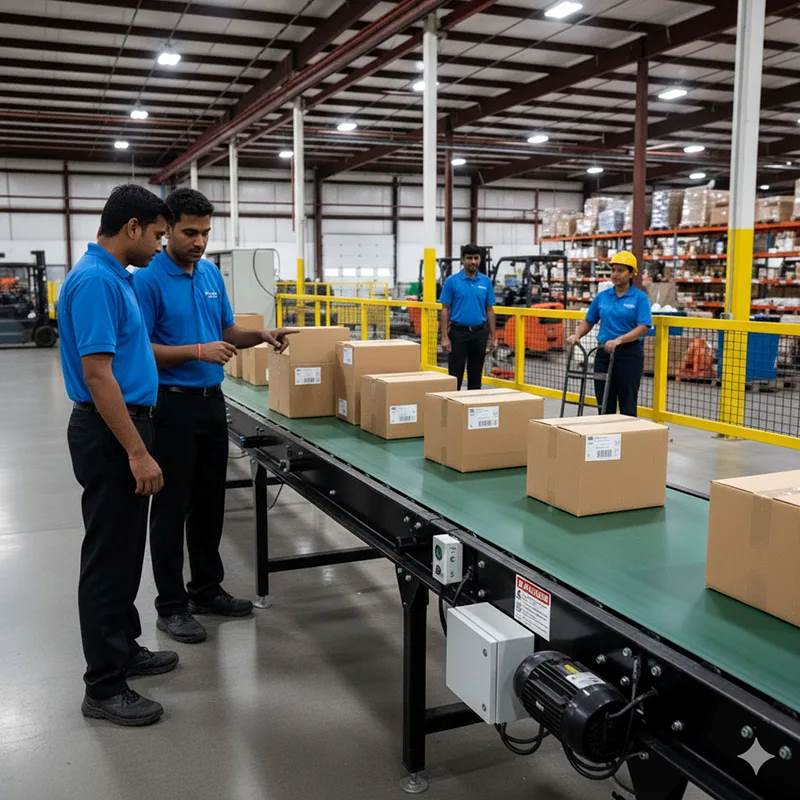
Mailer boxes are used across industries including apparel, cosmetics, electronics accessories, subscription boxes, and direct-to-consumer goods. Fulfillment centers often prefer pre-glued, flat-packed mailer boxes for fast assembly and automated packing lines.
Cost and supply chain
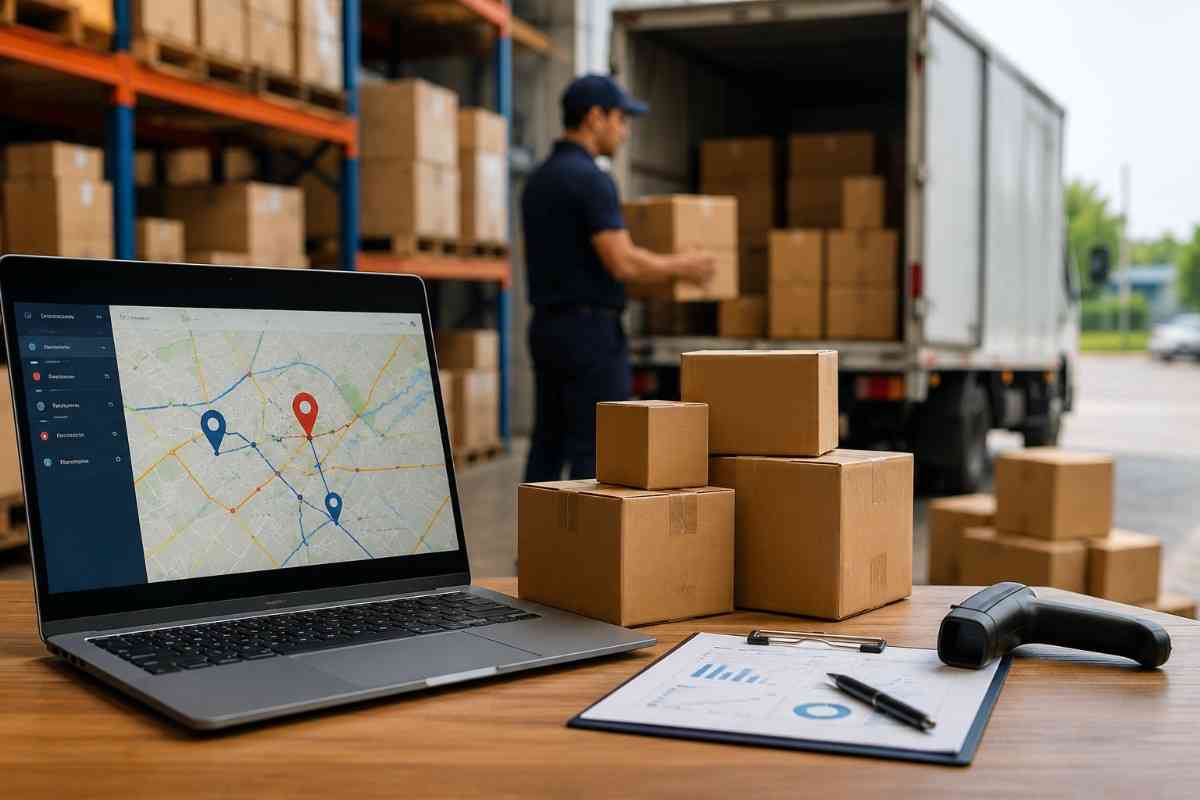
Bulk purchasing, standardizing box sizes, and coordinating pack station workflows reduce per-unit costs. Lead times for custom-printed or specialty-board mailer boxes should be factored into inventory planning.
Regulatory and safety notes
Packaging for regulated items (hazardous materials, perishable food, certain electronics batteries) may require specific labeling, cushioning, or certification. Refer to applicable postal or transport regulations and industry standards for compliance.
FAQs
What are mailer boxes and how do they work?
Mailer boxes are preformed cardboard containers designed to enclose and protect products during shipping. They use flaps, tuck-in closures, or adhesive strips to stay closed and often include internal inserts to prevent movement. The combination of material choice and internal packaging keeps products secure during handling.
Are mailer boxes recyclable?
Most mailer boxes made from corrugated board or kraft paperboard are recyclable through curbside programs. Remove non-paper components such as plastic windows or foam inserts when possible. Local recycling rules vary, so consult municipal guidance.
How to choose the right mailer box size?
Select a box that accommodates the product with minimal empty space and allows for necessary cushioning. Measure product dimensions and weight, then choose a board grade that matches stacking and handling requirements.
Can mailer boxes be custom printed for branding?
Yes. Custom printing is common and can include logos, colors, product details, and unboxing instructions. Consider print method, ink type, and minimum order quantities when planning custom designs.
Do mailer boxes protect fragile items?
Mailer boxes can protect fragile items when paired with appropriate internal protection such as molded pulp, corrugated inserts, bubble wrap, or foam. For high-value or delicate goods, consult testing standards like ISTA for appropriate packaging validation.