Women Empowerment: Creating Equal Opportunities for a Stronger Society
-
- Published Updated
- 8,258 views
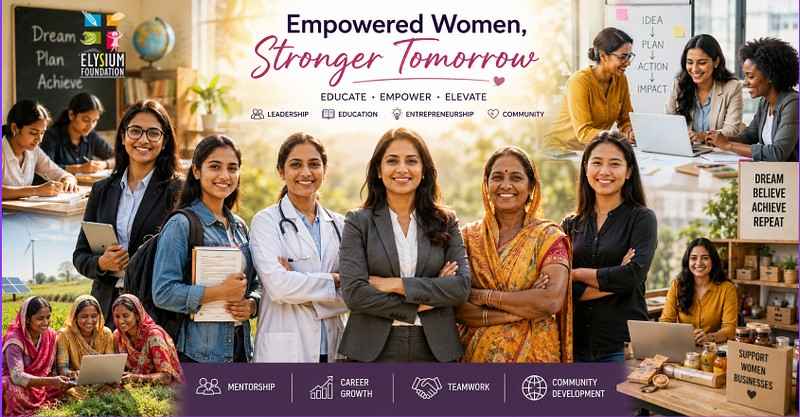
Women empowerment has become one of the most important drivers of social progress, economic development, and sustainable community growth across the world. Empowering women means providing them with equal rights, education, opportunities, leadership roles, financial independence, and the confidence to make decisions that shape their lives and communities. In modern society, women empowerment is not only a social responsibility but also a critical factor in national development and economic stability.
Across industries and communities, women are increasingly contributing to education, healthcare, business, technology, governance, and entrepreneurship. However, many women still face barriers such as gender inequality, limited access to education, financial dependency, lack of healthcare, and restricted career opportunities. Addressing these challenges through structured initiatives and awareness programs is essential for building an inclusive and progressive society.
Governments, educational institutions, businesses, and women empowerment organizations are actively working to improve opportunities for women through education, skill development, entrepreneurship support, and leadership training. These initiatives are helping women become financially independent, socially confident, and professionally successful.
The growing focus on rural women empowerment and leadership development programs reflects the increasing recognition that empowering women contributes directly to stronger families, healthier communities, and sustainable economic growth.
Understanding Women Empowerment
Women empowerment refers to the process of enabling women to gain equal access to resources, opportunities, decision making, education, employment, and leadership positions. It involves creating an environment where women can exercise their rights freely, participate confidently in society, and contribute meaningfully to economic and social development.
Empowerment includes multiple dimensions such as educational empowerment, social empowerment, economic independence, political participation, and leadership development. It encourages women to overcome barriers, build self confidence, and achieve personal and professional growth.
The concept of women empowerment is not limited to urban areas or professional workplaces. It also focuses on improving the lives of women in rural communities by promoting education, healthcare access, entrepreneurship opportunities, and financial literacy.
A society that supports women empowerment creates better opportunities for future generations while promoting equality, innovation, and community development.
Importance of Women Empowerment in Society
Women play a vital role in family development, economic progress, education, and community welfare. Empowering women contributes to social stability and national growth in multiple ways.
Economic Growth and Financial Stability
Women contribute significantly to the workforce and economy. When women have access to education, employment, and entrepreneurship opportunities, they become financially independent and contribute to household income and economic growth.
Empowered women often invest in healthcare, education, and the well being of their families, creating positive impacts on communities and future generations.
Improved Education and Awareness
Educated women are more likely to make informed decisions about healthcare, career development, and family welfare. Women empowerment promotes access to quality education and skill development opportunities that improve literacy and professional capabilities.
Educational empowerment also encourages women to participate actively in community development and leadership roles.
Better Healthcare and Social Welfare
Women empowerment initiatives improve awareness about healthcare, nutrition, sanitation, and mental well being. Access to healthcare services and information helps women lead healthier lives and contribute positively to society.
Reduction of Gender Inequality
Gender discrimination continues to affect women in many parts of the world. Women empowerment programs help create awareness about equal rights, workplace equality, education opportunities, and social justice.
Promoting equality allows women to participate confidently in education, employment, and leadership positions without facing discrimination.
Stronger Communities and Families
Empowered women contribute to stronger families and more stable communities. Women often play a key role in child education, healthcare management, and family welfare, making their empowerment essential for social progress.
Role of Women Empowerment Organizations
Women empowerment organizations play a significant role in supporting women through education, skill development, awareness programs, healthcare initiatives, and entrepreneurship opportunities. These organizations work at local, national, and international levels to address challenges faced by women in society.
Many women empowerment organizations provide vocational training, financial literacy programs, career counseling, self help groups, and legal awareness initiatives. These efforts help women gain confidence, develop professional skills, and become financially independent.
Organizations also conduct awareness campaigns that promote gender equality, women safety, education, and leadership development. They collaborate with governments, educational institutions, and businesses to create opportunities for women from different social and economic backgrounds.
Women empowerment organizations often focus on marginalized communities where women face greater challenges related to education, employment, and social acceptance. Their efforts contribute significantly to community development and social transformation.
Rural Women Empowerment and Community Development
Rural women empowerment is essential for improving the quality of life in villages and underserved communities. Women in rural areas often face limited access to education, healthcare, financial services, and employment opportunities.
Empowering rural women through education, vocational training, and entrepreneurship programs helps improve family income, community development, and economic stability.
Importance of Education in Rural Areas
Education is one of the most powerful tools for rural women empowerment. Educated women are more likely to participate in decision making, access healthcare services, and pursue employment or business opportunities.
Literacy programs and skill development initiatives help rural women gain confidence and improve their social and economic conditions.
Skill Development and Vocational Training
Vocational training programs provide women with practical skills that support employment and self employment opportunities. Training in tailoring, handicrafts, agriculture, digital literacy, and entrepreneurship enables rural women to generate income and improve financial independence.
Financial Inclusion and Entrepreneurship
Access to financial services is crucial for rural women empowerment. Self help groups, microfinance initiatives, and entrepreneurship support programs allow women to start small businesses and contribute to local economic development.
Financial independence empowers women to make decisions regarding education, healthcare, and family welfare.
Healthcare Awareness and Social Development
Healthcare awareness programs improve knowledge about nutrition, maternal health, hygiene, and disease prevention. Healthy women contribute to healthier families and stronger communities.
Rural women empowerment initiatives also encourage women to participate in social activities, local governance, and community leadership roles.
Women Leadership and Professional Growth
Women leadership has become increasingly important in modern workplaces, educational institutions, and community organizations. Leadership opportunities allow women to influence decision making, inspire others, and contribute to organizational growth.
Despite significant progress, women continue to face challenges in accessing leadership positions due to social barriers, workplace bias, and limited professional opportunities.
Importance of Women Leadership
Women leadership brings diverse perspectives, creativity, and collaborative decision making to organizations and communities. Research shows that organizations with strong female leadership often experience improved employee engagement, innovation, and performance.
Women leaders also serve as role models for younger generations, encouraging girls and women to pursue education, careers, and leadership opportunities confidently.
Challenges Faced by Women Leaders
Many women encounter challenges such as unequal pay, limited career advancement opportunities, workplace discrimination, and social expectations. Balancing professional responsibilities and family commitments can also create additional pressures.
Addressing these challenges requires supportive workplace policies, mentorship opportunities, equal career opportunities, and leadership development initiatives.
Benefits of Women Leadership Programs
A women leadership program helps women develop communication, strategic thinking, decision making, and management skills. These programs prepare women for leadership roles in business, education, government, and social organizations.
Leadership development initiatives also improve confidence, networking opportunities, and career growth potential for women professionals and entrepreneurs.
Organizations investing in women leadership development create more inclusive and productive work environments while promoting equality and innovation.
Role of Education in Women Empowerment
Education is one of the most effective tools for achieving women empowerment. It provides knowledge, confidence, and opportunities that enable women to improve their personal and professional lives.
Access to Quality Education
Providing girls and women with access to quality education improves literacy rates, career opportunities, and social awareness. Educated women are more likely to become financially independent and contribute positively to society.
Digital Literacy and Technology Education
Technology education is increasingly important in the digital age. Digital literacy programs help women access online learning, employment opportunities, and entrepreneurship resources.
Women with digital skills can participate more effectively in modern economic and professional environments.
Higher Education and Career Opportunities
Higher education opens pathways for women to pursue professional careers in healthcare, technology, business, science, and public administration. Career oriented education supports long term economic independence and leadership development.
Women Empowerment Through Entrepreneurship
Entrepreneurship is a powerful driver of women empowerment because it creates financial independence, leadership opportunities, and economic growth.
Women entrepreneurs contribute significantly to local economies by creating jobs, supporting innovation, and improving community development. Entrepreneurship programs provide women with business training, mentorship, marketing knowledge, and financial support.
Importance of Small Businesses
Guidance initiatives and business networking opportunities support women entrepreneurs in developing skills, improving confidence, and expanding career opportunities. Women entrepreneurs often invest profits in education, healthcare, and family welfare, creating positive social impacts.
Access to Funding and Resources
Access to loans, grants, and business resources is essential for supporting women entrepreneurs. Financial support programs help women start and expand businesses successfully.
Mentorship and Networking Opportunities
Women led enterprises contribute to economic development by creating income opportunities and supporting family financial stability
Challenges in Achieving Women Empowerment
Although significant progress has been made, several challenges continue to affect women empowerment efforts globally.
Gender Discrimination
Many women still face discrimination in education, employment, wages, and leadership opportunities. Social stereotypes and traditional norms often limit women’s growth and participation.
Limited Access to Education
In some regions, girls and women have limited access to education due to poverty, social restrictions, and lack of educational infrastructure.
Financial Dependency
Financial dependency remains a major barrier for many women. Lack of employment opportunities and financial literacy can restrict independence and decision making abilities.
Safety and Security Concerns
Women may face safety challenges, harassment, and violence that affect education, employment, and social participation.
Limited Representation in Leadership Roles
Women remain underrepresented in leadership positions across industries and governance systems. Encouraging women leadership and equal opportunities is essential for social progress.
Future of Women Empowerment
The future of women empowerment depends on continuous efforts to improve education, healthcare, leadership opportunities, and financial inclusion.
Technology and Digital Inclusion
Digital technologies are creating new opportunities for women through online education, remote work, digital entrepreneurship, and skill development platforms.
Increased Leadership Opportunities
Organizations are increasingly recognizing the importance of gender diversity and inclusive leadership. More companies are implementing women leadership program initiatives to support career growth and equal opportunities.
Community Based Empowerment Programs
Community driven programs focusing on rural women empowerment, healthcare awareness, and entrepreneurship development will continue to play a significant role in improving women’s lives.
Supportive Policies and Awareness
Governments and organizations are implementing policies that promote gender equality, workplace diversity, and women’s rights. Continued awareness campaigns will strengthen social acceptance and support for women empowerment initiatives.
Why Women Empowerment Matters for Sustainable Development
Women empowerment is directly connected to sustainable development and social progress. Empowered women contribute to healthier families, stronger economies, improved education systems, and more stable communities.
Societies that support equal opportunities for women experience higher economic growth, better healthcare outcomes, and stronger social development. Investing in women empowerment creates long term benefits for individuals, families, communities, and nations.
Women empowerment organizations, educational institutions, businesses, and governments all play important roles in creating environments where women can succeed confidently and independently.
Conclusion
Women empowerment is essential for building an equal, progressive, and sustainable society. Providing women with access to education, healthcare, leadership opportunities, entrepreneurship support, and financial independence helps create stronger communities and better economic growth. From improving literacy and employment opportunities to encouraging women leadership and social participation, empowerment initiatives positively impact every aspect of society.
The efforts of women empowerment organizations, leadership training initiatives, and rural women empowerment programs continue to create opportunities for women across different communities and industries. A well structured women leadership program helps women develop the confidence, skills, and knowledge needed to succeed in professional and social environments.
As society continues to evolve, empowering women through education, technology, and equal opportunities will remain critical for long term development and social transformation. Organizations committed to social welfare and community progress, such as Elysium Foundation, play an important role in supporting initiatives that encourage equality, leadership, and sustainable women empowerment.
Contact Us:
+91 98943-32872
[email protected]
230, Ground Floor, Elysium Campus, Church Road,
Annanagar, Madurai – 625020