Fillers Treatments in Dubai: Types, Costs, Safety Checklist
-

- March 07th, 2026
- 147 views

Get a free topical map and start building content authority today.
The decision to pursue fillers treatments in Dubai often starts with questions about types, safety, and how to pick the right clinic. This guide explains the main filler categories, realistic cost ranges, safety checkpoints specific to Dubai's market, and practical trade-offs to help make an informed choice.
Detected intent: Commercial Investigation
- Primary focus: compare filler types, clinic credentials, and expected results.
- Includes a named checklist (SAFE FILLER), a short scenario, 4 practical tips, and common mistakes.
- One authoritative safety resource is linked for regulatory context.
Fillers treatments in Dubai: types, typical uses, and what to expect
Categories of fillers
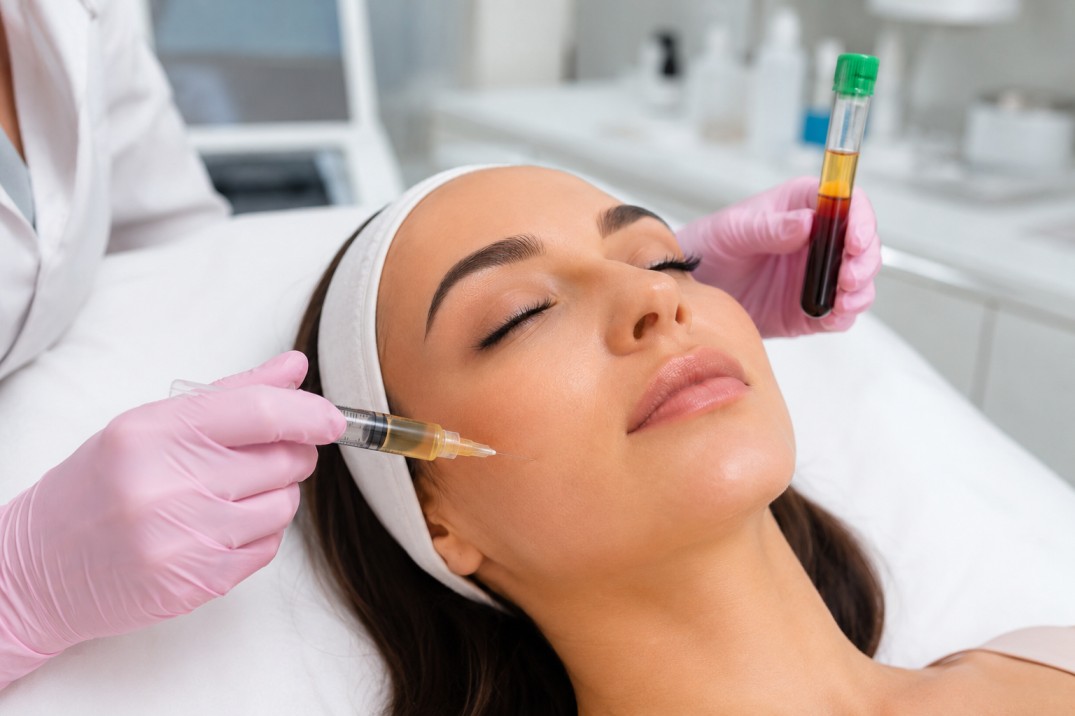
Dermal fillers are grouped by material and longevity. Common categories include hyaluronic acid (HA) fillers for volume and contouring, calcium hydroxylapatite for deeper structural support, poly-L-lactic acid for collagen stimulation, and permanent implants (used far less often). In Dubai's clinics, hyaluronic acid fillers are the most widely offered due to reversibility with hyaluronidase and predictable results.
Popular applications in Dubai’s clinics
Typical uses: cheek augmentation, nasolabial fold smoothing, lip enhancement (lip fillers Dubai), chin and jawline contouring, tear-trough correction, and non-surgical rhinoplasty. Each application has different filler selection priorities—e.g., softer, more malleable HA gels for lips versus firmer fillers for jawline definition.
How to choose a clinic and provider for fillers treatments in Dubai
Credentials and environment
Look for an injector with specialist training—board-certified dermatologist, plastic surgeon, or facial aesthetics physician—and a licensed clinic setting approved by local regulators. Confirm on-the-record experience with the specific filler brand and the procedure being offered.
Consultation checklist
A quality consultation covers medical history, realistic photo-based goal setting, treatment plan with product names and volumes, explanation of risks (e.g., vascular occlusion), and a written consent form. Avoid providers who pressure for instant booking without a thorough assessment.
Costs, timelines, and realistic outcomes
Typical cost ranges and influencing factors
Prices in Dubai vary by clinic reputation, injector experience, and product used. Expect a broad range: single-syringe HA treatments may start at competitive clinic rates and increase substantially at premium practices. Multiple syringes, advanced layering techniques, or combination treatments (e.g., filler plus botulinum toxin) raise the total. Request a written quote that lists product brand and number of syringes.
Timeline and aftercare
Visible results appear immediately for most fillers, with optimal settling at 2–4 weeks. Common aftercare includes avoiding intense heat, strenuous exercise, and certain medications for 24–48 hours. Plan any major social events around the initial recovery window (1–2 weeks) for swelling to subside.
Safety, regulation, and one authoritative resource
Regulatory and safety considerations
Fillers are medical procedures. Verify product authenticity and expiry, keep a record of batch numbers, and ensure the clinic follows sterile technique. For evidence-based safety guidance, consult regulatory sources such as the U.S. Food & Drug Administration on dermal fillers: FDA: Dermal Fillers.
Adverse events and reversibility
HA fillers can be reversed with hyaluronidase if needed; other filler types require different management. Know the signs of serious complications (sudden severe pain, skin blanching, vision changes) and the clinic's emergency protocol before treatment.
SAFE FILLER checklist (named checklist for decision making)
Use this step-by-step checklist before booking:
- Specialist credentials: Confirm board certification and injection-specific experience.
- Assessment: Ensure a face-to-face assessment with documented goals and photos.
- Formulation transparency: Get product brand, filler type, batch number, and expected longevity in writing.
- Environment: Clinic licensing, sterile procedure room, emergency preparedness.
- FILLER plan: A clear aftercare plan, follow-up appointment schedule, and reversal policy if HA is used.
Real-world example: choosing between cheek and nasolabial fold fillers
Scenario: A 38-year-old person seeks a refreshed look without surgery. Two options are presented: (A) mid-face (cheek) volumization to lift and indirectly soften nasolabial folds; (B) direct nasolabial fold filler to address a specific crease.
Trade-offs: Cheek augmentation yields broader rejuvenation and longer structural support but typically requires more product. Nasolabial filler is more targeted and less costly per session but may look artificial if overfilled and can shift visible outcomes over time. A hybrid approach—conservative cheek lift plus minimal nasolabial correction—often balances natural appearance and longevity.
Common mistakes and trade-offs
Common mistakes to avoid
- Choosing solely on price; low-cost offers may use older or counterfeit product stock.
- Overfilling for immediate dramatic change—natural results often require restraint and staged sessions.
- Skipping a medical history check that could identify contraindications (e.g., bleeding disorders, active infections).
- Failing to verify aftercare and complication management procedures.
Typical trade-offs
Longer-lasting fillers often mean slower reversibility and sometimes different risk profiles. Using more product yields better immediate correction but increases cost and recovery time. Selecting a high-experience injector reduces complication risk but usually increases price—balance value and safety rather than opting for the cheapest option.
Practical tips before booking fillers treatments in Dubai
- Bring recent photos (frontal and profile) to consultations and ask for before/after images of similar patients.
- Request full product details (brand, type, batch) and a written estimate including follow-up visits.
- Schedule conservative correction first; additional product can be added at a follow-up for fine-tuning.
- Confirm availability of hyaluronidase and an emergency plan if using HA products.
Core cluster questions
- What are the main types of dermal fillers and how long do they last?
- How to evaluate clinic and injector credentials for aesthetic injections?
- What are real cost ranges for common filler procedures in an urban market?
- Which filler options are reversible and how does reversal work?
- What immediate aftercare steps reduce swelling and bruising after filler injections?
FAQ
How much do fillers treatments in Dubai typically cost?
Costs vary widely by clinic, injector experience, and product. Expect a range from entry-level pricing for a single syringe to premium clinic rates that reflect specialist expertise and higher-end products. Always ask for a written breakdown listing product brand and number of syringes.
Are dermal fillers Dubai clinics required to use licensed products?
Clinics should use licensed products and maintain records of batch numbers. Confirm product authenticity during the consultation and ask to see product packaging if uncertain. Regulatory oversight varies by jurisdiction—local licensing bodies such as the Dubai Health Authority oversee clinic licensing.
Can lip fillers Dubai results be reversed if the shape is unwanted?
When hyaluronic acid fillers are used for lip enhancement, they can generally be reversed with hyaluronidase. Confirm the availability of reversal agents and the injector’s experience with managing complications before treatment.
How long does it take to see final results after filler injections?
Initial improvement is visible immediately. Final results typically settle in 2–4 weeks as swelling reduces and the filler integrates with the tissue. Some biostimulatory fillers take several months to reveal full collagen stimulation effects.
What qualifications should an injector have when offering filler treatments?
Preferably board-certified dermatologists or plastic surgeons with documented injectables training. Practical proof includes before/after galleries, documented complication management experience, and clear patient reviews describing outcomes and follow-up care.