10 Sustainable Energy Innovations Powering India’s Clean Transition
-

- March 14th, 2026
- 613 views
Detected intent: Informational
This guide explains 10 sustainable energy innovations in India that are scalable today and relevant to utilities, developers, policymakers, and community leaders. The term "sustainable energy innovations in India" appears below to focus the discussion on technologies, policy enablers, and implementation steps that deliver lower emissions, greater resilience, and long-term cost savings.
- Ten practical innovations: solar, wind, storage, green hydrogen, smart grids and more.
- Includes a SUSTAIN checklist for project planning, a short real-world example, trade-offs, and 4 practical tips.
- Core cluster questions and FAQs to guide follow-up research and implementation.
Sustainable energy innovations in India: 10 technologies and projects
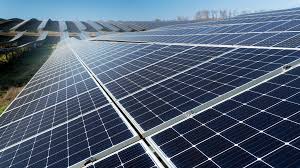
1. Utility-scale solar parks and modular PV
Large solar parks (for example, Bhadla and Pavagada scales) reduce per-unit costs through consolidated land, streamlined permitting, and bulk procurement. Modular PV systems and tracker technologies increase yield on variable terrain and integrate with evaporation-suppression co-benefits on reservoirs.
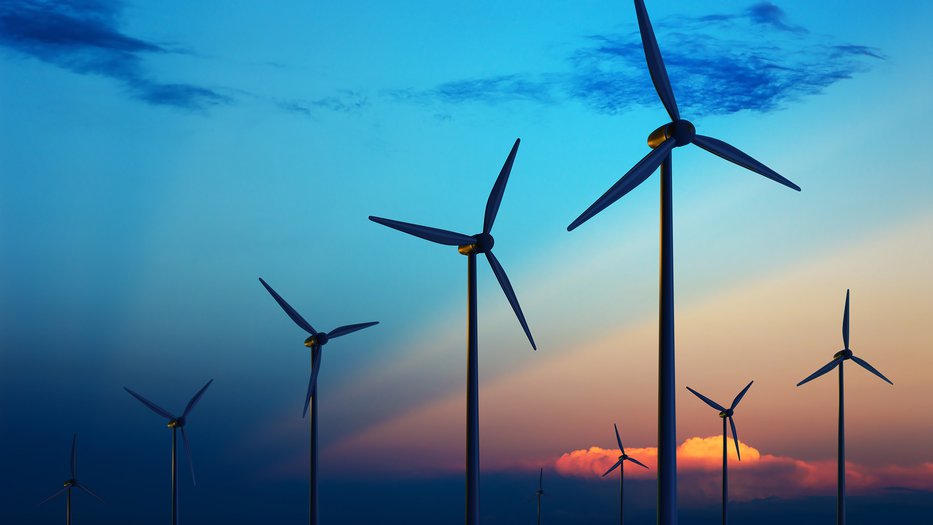
2. Offshore and coastal wind farms
Coastal and offshore wind capture stronger, steadier winds than onshore sites. Hybrid wind-solar sites use shared grid connections and complement the renewable generation profile.
3. Distributed rooftop solar with net metering and aggregators
Rooftop solar reduces transmission losses and engages consumers. Aggregator platforms can bundle many small systems to provide dispatchable capacity and demand response to the grid.
4. Energy storage systems: batteries, pumped hydro, and thermal storage
Energy storage solutions India-wide—from lithium-ion battery packs to pumped hydro storage—address variability and assist frequency regulation. Storage paired with renewables reduces curtailment and improves reliability.
5. Green hydrogen and electrolyzers for hard-to-abate sectors
Electrolyzers powered by renewables produce green hydrogen suitable for steel, fertilizer, and heavy transport. India’s interest in green hydrogen expands options for seasonal energy storage and industrial decarbonization.
6. Smart grid upgrades and advanced metering infrastructure (AMI)
Smart grids and AMI enable two-way flows, better outage management, and granular demand-side programs. They are the platform for integrating distributed energy resources and EV charging networks.
7. Electric vehicle (EV) charging networks and vehicle-grid integration
Robust EV charging infrastructure with managed charging algorithms shifts transportation loads to off-peak periods and, with vehicle-to-grid, provides grid services from fleets.
8. Waste-to-energy and bioenergy with circular feedstocks
Biogas from agricultural residues and municipal waste can supply distributed thermal power and clean cooking solutions while reducing landfill emissions when managed to standards.
9. Demand-side management and industrial process electrification
Process electrification (replacing fossil-fueled heat with electric heat pumps or resistance heaters) and systematic demand-side programs lower fossil fuel dependence for industry and buildings.
10. Microgrids and community energy models
Microgrids provide resilience for remote communities and critical infrastructure, combining local generation, storage, and load prioritization for reliable power during grid outages.
Framework: the SUSTAIN checklist for project planning
Apply the SUSTAIN checklist to evaluate and scale innovations:
- Scope: Define technical, regulatory, and social scope.
- Utilize local resources: match technologies to local solar, wind, biomass, or water assets.
- Storage: include short- and long-duration options to balance variability.
- Technology fit: assess lifecycle emissions, supply chains, and maintenance needs.
- Aggregation and financing: design aggregation models and blended finance for affordability.
- Integration: ensure grid standards, interconnection rules, and cybersecurity are addressed.
- Network effects: plan for scale, replication, and community benefits.
Short real-world example
Scenario: A 50 kW rooftop solar installation with a 100 kWh battery for a residential complex in Chennai. The system supplies peak evening loads, reduces demand charges, and provides 3–6 hours of backup during grid outages. Using the SUSTAIN checklist, the project prioritized net-metering compliance, local installer capacity, a modular battery to enable future expansion, and a PPA model for partial resident funding.
Practical tips for implementing innovations
- Start with a pilot: validate technical assumptions at small scale before full deployment.
- Use standardized interconnection and data formats to future-proof grid integration.
- Prioritize lifetime cost per kWh and total lifecycle emissions, not just upfront price.
- Engage utilities early to design aggregation, demand-response, and revenue-sharing arrangements.
Trade-offs and common mistakes
Common trade-offs include capital cost versus operational flexibility (e.g., long-duration storage vs. batteries), land use for utility-scale projects, and supply-chain dependencies for critical components. Typical mistakes are skipping community consultation, underestimating grid upgrade needs, and ignoring lifecycle environmental impacts during procurement.
Core cluster questions
- How do energy storage solutions India-wide affect grid stability?
- What financing models work best for rooftop solar aggregation?
- How can green hydrogen be integrated into existing industrial supply chains?
- Which smart grid standards should be prioritized for a state rollout?
- What regulatory changes accelerate microgrid adoption in rural areas?
For official policy frameworks and national programs related to renewable energy deployment and rooftop solar guidelines, consult the Ministry of New and Renewable Energy: Ministry of New and Renewable Energy.
Further reading and implementation resources
Reference the Central Electricity Authority (CEA) grid codes, Bureau of Energy Efficiency (BEE) guidelines for appliances, and International Energy Agency (IEA) reports for technology cost trends and system-level analysis.
What are sustainable energy innovations in India?
This article lists ten categories of innovations—renewables, storage, hydrogen, grids, EV infrastructure, and demand-side measures—each selected for scalability and relevance to India’s energy mix and policy goals.
How do renewable energy technologies India-wide compare on cost and reliability?
Costs depend on resource quality, scale, and storage coupling. Solar and wind have low marginal costs; pairing them with storage improves reliability but raises capital requirements. Evaluate levelized cost of energy (LCOE) alongside system value for peak shaving and grid services.
Which energy storage solutions India should prioritize for grid stability?
Short-duration battery storage is effective for frequency regulation and peak shifting; pumped hydro and emerging long-duration storage solutions support seasonal balancing. Choose based on site suitability and lifecycle cost analysis.
What policy or market steps accelerate sustainable energy innovations in India?
Clear interconnection rules, transparent tariffs for storage and ancillary services, incentives for domestic manufacturing, and streamlined land/permitting processes reduce barriers and attract investment.
How to avoid common mistakes when deploying clean energy projects?
Avoid underestimating integration costs, neglecting community engagement, and overlooking operation & maintenance planning. Use the SUSTAIN checklist to reduce these risks.