Cycling in the Himalayas: Practical Guide to Routes, Preparation & Safety
-
- March 11th, 2026
- 309 views

Get a free topical map and start building content authority today.
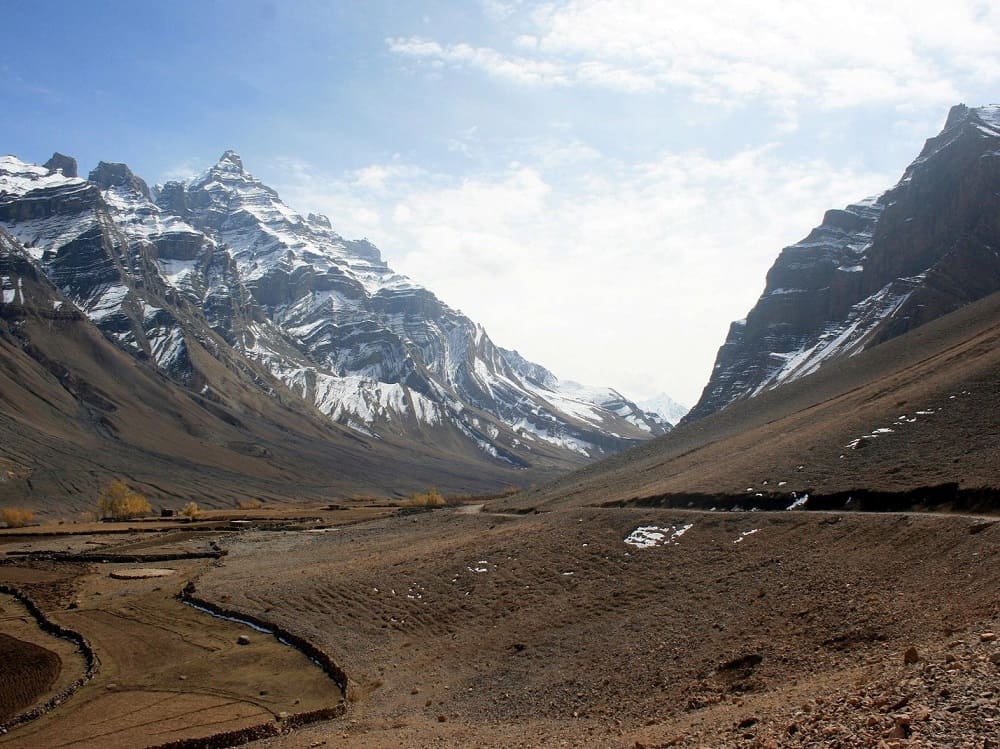
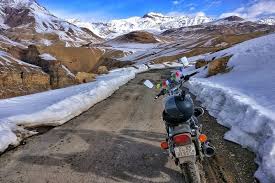
Cycling in the Himalayas is a unique combination of high-altitude challenge, remote scenery, and cultural discovery. This guide focuses on realistic route choices, safety for high-altitude riding, and practical steps to prepare a bicycle tour in the region.
- Choose routes by elevation profile and remoteness (e.g., Manali‑Leh vs. Annapurna Circuit)
- Follow the 4P Ride-Ready Checklist for gear, permits, physical prep, and emergency planning
- Prioritize gradual acclimatization and hydration; consult WHO guidance on altitude illness
Detected intent: Informational
Planning cycling in the Himalayas: route selection and season
Route choice is the single biggest decision when planning cycling in the Himalayas. Popular options vary by altitude, technical riding, and support availability: Manali–Leh and the Zanskar region offer very high passes and long remote stretches; the Annapurna Circuit gives a mix of lodges and lower passes; the Kathmandu Valley to Mustang offers cultural access with high passes. Consider distance, cumulative ascent, road surface (paved, gravel, singletrack), resupply points, and local permit requirements.
Comparing common route categories
- High-pass classics: long climbs, sparse services, requires strong altitude acclimatization.
- Mixed-lodge circuits: easier logistics, daily resupply, friendly for guided groups.
- Off-road bikepacking routes: remote singletrack and gravel, heavier self-sufficiency needs.
Gear and the 4P Ride-Ready Checklist
A named checklist simplifies preparation: the 4P Ride-Ready Checklist — Pack, Protection, Power, Plan.
- Pack: frame bag, spare tubes, multi-tool, quality tires, shelter if heading remote.
- Protection: layered clothing, down jacket, rain shell, helmet, gloves, first-aid kit.
- Power: battery strategy for lights/GPS; consider dynamo hub or backup battery packs.
- Plan: permits, emergency contacts, evacuation options, daily mileage buffer.
Bike choices and equipment trade-offs
Touring bikes and gravel/adventure bikes are common. Trade-offs include weight vs comfort (lighter racing frames reduce fatigue uphill but carry less kit), tire width vs rolling resistance (wider tires increase grip on gravel but are slower on pavement), and frame mounting options for panniers vs bikepacking bags. E‑bikes can help manage extreme climbs but add charging logistics and weight.
Altitude, acclimatization, and medical precautions
High-altitude risk is real on many Himalayan routes. Gradual ascent, rest days, and symptom monitoring are essential. Official guidance on high-altitude illness and prevention is available from the World Health Organization: WHO - High-altitude illness. Carry a basic altitude-aware first-aid plan and know the nearest medical evacuation points.
Altitude cycling preparation
Altitude cycling preparation should include at least one gradual climb with rest day every 600–900 m of elevation gain where possible, controlled exertion the first days at altitude, and focusing on hydration and simple carbohydrates. Medications such as acetazolamide may be advised by a qualified clinician for prevention; consult a travel medicine professional before departure.
Real-world scenario: a 7-day Manali–Leh micro-itinerary
Example: a compact 7-day plan for experienced riders with support. Day 1: Manali to Rohtang approach, partial ascend; Day 2: acclimatization ride to local high meadow; Day 3–4: steady climb to Keylong and further to Darcha, pacing effort; Day 5: crossing Baralacha La with early start; Day 6: push to Sarchu with careful hydration and caloric intake; Day 7: reach Leh with recovery day. This scenario assumes vehicle support for resupply and an evacuation plan; adjust for full self-supported bikepacking.
Practical tips for a safe Himalayan cycling trip
- Start rides early to avoid afternoon weather and traffic on narrow passes.
- Use incremental daily targets—add a 10–20% mileage buffer for unexpected conditions.
- Carry a satellite communicator or local SIM with emergency numbers; record nearest hospitals and military posts.
- Inspect roads ahead: seasonal melt and landslides change conditions quickly; have alternate route options.
Common mistakes and trade-offs
- Underestimating altitude: skipping acclimatization to save time increases risk of illness.
- Overpacking: excessive weight makes high passes much harder; prioritize multi-use gear.
- Relying solely on guidebooks: local road conditions and permits change—verify locally before departure.
Core cluster questions for further reading and internal linking
- What are the safest high-altitude cycling routes in the Himalayas?
- How to prepare physically for a multi-day Himalayan bikepacking trip?
- Which bike setup is best for mixed pavement and gravel in mountain passes?
- What permits and paperwork are required for cycling in restricted Himalayan regions?
- How to plan emergency evacuation from remote high-altitude roads?
FAQ
Is cycling in the Himalayas safe for beginners?
Beginners can enjoy lower-altitude circuits with lodge support but should avoid very high passes until acclimatization experience and fitness increase. Consider guided tours that handle logistics and provide medical contingency plans.
What is the best season for cycling in the Himalayas?
Late spring to early autumn (May–October) avoids most winter snow on high passes; local monsoon timing affects the southern slopes—choose seasons by route and region.
How to manage altitude when cycling in the Himalayas?
Follow slow ascent profiles, rest days, hydration, and a staged effort plan. Watch for headache, nausea, or breathlessness; if symptoms worsen, descend immediately and seek medical care.
What permits are needed for cycling in restricted Himalayan areas?
Permit requirements vary by country and region (e.g., protected areas, border zones). Check local administration, tourism offices, or national parks for current permit lists and restrictions.
Where can more official guidance on high-altitude illness be found?
Official guidance on high-altitude illness and prevention is available from the World Health Organization, which provides evidence-based recommendations for travelers and clinicians.