Alia Cut Suit Design from Udaari: A Guide to Graceful Pakistani Style
-

- February 23rd, 2026
- 1,307 views

Get a free topical map and start building content authority today.
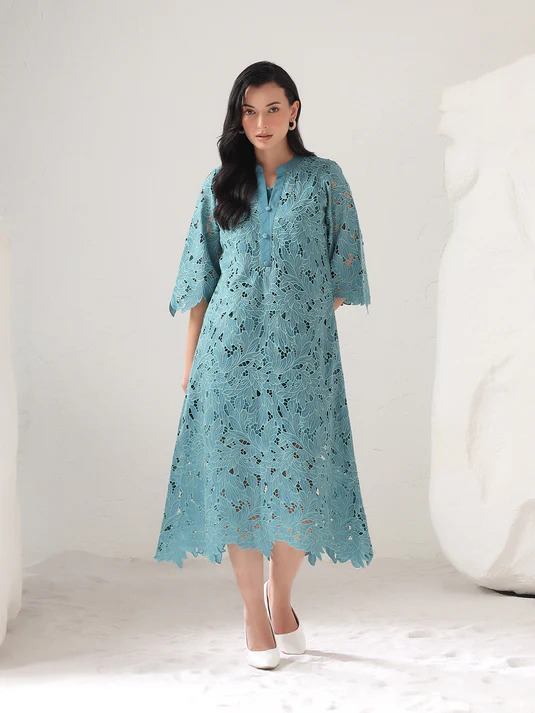
The Alia cut suit design is a silhouette that blends traditional South Asian tailoring with modern proportions, and it gained widespread attention after prominent appearances in television dramas such as Udaari. Recognizable for its clean lines, lightly fitted bodice, and graceful flare, this style offers a versatile option for everyday wear and formal occasions.
The Alia cut suit design emphasizes a balanced silhouette that flatters a range of body types. Key features include a tailored upper, controlled flare or A-line skirt, thoughtful sleeve shapes, and adaptable lengths. Choices of fabric, embroidery, and accessories determine whether the garment reads as casual, semi-formal, or formal. The design reflects broader trends in contemporary Pakistani fashion while drawing on regional tailoring traditions.
Alia cut suit design: key elements and silhouette
The defining characteristics of an Alia cut suit design are the structured bodice and the gentle flare that starts near the waist or slightly below. Necklines vary—from simple round and V-necks to modest collars—while sleeves may be full, three-quarter, or slim. Hem lengths range from mid-thigh to ankle, allowing the style to adapt to occasion and personal preference. The cut is intended to create a streamlined look without excessive volume, which distinguishes it from heavily layered or heavily flared traditional garments.
Historical and cultural context
South Asian dress has long combined regional tailoring methods with evolving tastes. The Alia cut reflects this continuum: it borrows from classical long-kurtas and Anarkali tendencies but reduces bulk to match contemporary sensibilities. Cultural institutions such as national ministries of culture and textile research centres document the ongoing evolution of regional attire, which includes adaptation for urban lifestyles and media representation. Television dramas like Udaari have functioned as cultural platforms, popularizing particular silhouettes and influencing consumer interest in specific cuts and embellishment styles.
Fabrics, construction, and embellishment
Common fabrics
Choice of fabric strongly affects the final drape. Lightweight cottons and lawn are suited to casual, breathable versions; silk blends, georgette, and crepe provide a smoother, more formal fall. Heavier fabrics such as woven silk or brocade can be used for structured, festive iterations but may alter the intended fluidity of the Alia cut.
Sewing and tailoring considerations
Precision in bodice fitting and seam placement gives the Alia cut its polished look. Princess seams, side seams with gentle shaping, and subtle panels allow for tailored fit without restricting movement. Hem finishes, interfacings at the neckline, and well-set sleeves contribute to longevity and comfort.
Embellishment and surface design
Embroidery, applique, and printed motifs determine the garment’s visual tone. Minimal surface work supports a modern aesthetic, while traditional hand embroidery, gota, or mirror work can elevate the suit for formal occasions. Strategic placement of embellishment—on the neckline, cuffs, or yoke—helps maintain the cut’s clean lines.
Styling and wardrobe pairing
An Alia cut suit design pairs well with slim trousers, cigarette pants, or tapered churidars for a streamlined lower silhouette. Longer, narrow palazzos may work if they mirror the suit’s proportions. For footwear, flats or low heels support everyday wear; embellished sandals or heels suit evening looks. Accessories such as lightweight dupattas, minimal jewelry, and structured bags keep the focus on the suit’s tailoring.
Care, maintenance, and longevity
Care instructions depend on fabric and embellishment. Delicate handwork often requires gentle hand washing or professional dry cleaning. Store garments on padded hangers to preserve shape, and use breathable garment covers to protect embroidered surfaces. Regular tailoring checks—replacing loose threads or reinforcing seams—help maintain the intended silhouette over time.
Influence of media and designers
Television, film, and fashion publications often shape the popularity of specific cuts. In regions where dramas like Udaari reach wide audiences, particular styles become aspirational, prompting wider production and reinterpretation in ready-to-wear and bespoke tailoring. Academic studies in fashion and textile departments at universities analyze such media-driven trends and their socio-cultural impact.
Where to learn more
For broader context on cultural heritage and the role of dress in intangible cultural practices, consult resources from recognized cultural organizations and academic publications. A relevant authoritative source on cultural heritage and dress traditions is UNESCO’s site on intangible cultural heritage, which provides frameworks for understanding how clothing practices are preserved and transformed over time: UNESCO Intangible Cultural Heritage.
Practical advice for choosing an Alia cut suit
- Consider proportions: select a length and flare that balance the wearer’s height and shoulder width.
- Match fabric to use: opt for breathable cottons for daily wear and refined silks for special events.
- Mind the embellishment: place decorative work where it enhances the cut without adding bulk.
- Fit matters: invest in minor tailoring adjustments to achieve a flattering, personalized silhouette.
Conclusion
The Alia cut suit design blends classical South Asian tailoring with streamlined modern sensibilities. Whether styled for casual wear or adapted into formal attire, its emphasis on proportion, fit, and selective ornamentation makes it a versatile and enduring option in contemporary Pakistani fashion. Media representations such as those in Udaari have helped bring attention to these forms, encouraging both tradition and innovation in everyday dress.
What is an Alia cut suit design and who wears it?
An Alia cut suit design is a tailored kurta or tunic style with a fitted upper and controlled flare. It is worn by people seeking a balance between traditional South Asian clothing and contemporary tailoring—suitable for a range of ages and settings depending on fabric and embellishment.
How should an Alia cut suit design be styled for formal occasions?
For formal occasions, choose richer fabrics such as silk blends, add refined embroidery or handwork in limited areas, and pair with tailored trousers or narrow palazzos. Complement the outfit with understated jewelry and structured footwear to maintain an elegant silhouette.
Which fabrics work best for everyday versions of the Alia cut suit design?
Breathable natural fabrics like cotton and lawn are ideal for everyday wear. Lightweight blends that allow movement and airflow preserve the cut’s shape while keeping the garment comfortable for daily activities.
Can the Alia cut suit design be adapted for different body types?
Yes. Adjustments to seam placement, flare amount, and neckline shape allow the Alia cut to flatter many body types. Consulting a skilled tailor for measurements and fittings ensures the best personalized result.
How should an Alia cut suit design be cared for to last longer?
Follow fabric-specific care guidance: gentle washing for delicate materials, professional cleaning for heavily embellished garments, padded hangers for storage, and routine seam checks. Proper care preserves the shape and finish of the suit.
Are there cultural resources that document South Asian dress traditions?
Yes. National cultural ministries, university textile departments, and international organizations study and document clothing traditions. These sources provide context for how styles evolve and how they are represented in media and society.