Anti-Aging Creams for Him & Her: Practical Guide to Ingredients, Routines, and Safety
-
- March 04th, 2026
- 1,589 views
Anti-Aging Creams for Him & Her are widely available and increasingly formulated to address concerns such as fine lines, uneven tone, and loss of elasticity. This guide explains core ingredients, sensible routines, and how to match products to different skin types without promoting specific brands.
- Look for proven actives: retinoids or bakuchiol, antioxidants (vitamin C), peptides, hyaluronic acid, and ceramides.
- Sun protection and consistent moisturizing are foundational steps for all skin types.
- Match texture and actives to skin type; sensitive or acne-prone skin may need gentler options.
- Consult dermatology resources for evidence-based guidance and product claims.
Anti-Aging Creams for Him & Her: Key Considerations
Choosing an anti-aging product benefits from understanding common goals: smoothing fine lines, improving hydration, evening skin tone, and supporting the skin barrier. Men and women may have different skin thickness, oil production, or shaving-related irritation, but many active ingredients and routines are shared.
Understand common skin concerns
Typical signs associated with aging skin include reduced collagen, slower cellular turnover, dryness, and photodamage from ultraviolet exposure. Lifestyle factors such as smoking, sleep, and diet also influence skin appearance. A targeted approach prioritizes broad-spectrum sun protection, hydration, and a topical active that addresses a primary concern (for example, texture vs. pigmentation).
Daily basics before actives
Daily cleansing (gentle, not stripping), a moisturizer that supports the skin barrier (look for ceramides and humectants like glycerin or hyaluronic acid), and a broad-spectrum sunscreen are foundational. Sunscreen with SPF helps prevent further photodamage and is the most evidence-backed intervention for slowing visible aging.
Common Active Ingredients and How They Work
Retinoids and retinol alternatives
Retinoids (prescription and over-the-counter retinol) support skin cell turnover and collagen production; they can reduce fine lines and improve texture but may cause irritation at first. Bakuchiol is a plant-derived alternative that some studies suggest can offer similar benefits with less sensitivity.
Antioxidants and brightening agents
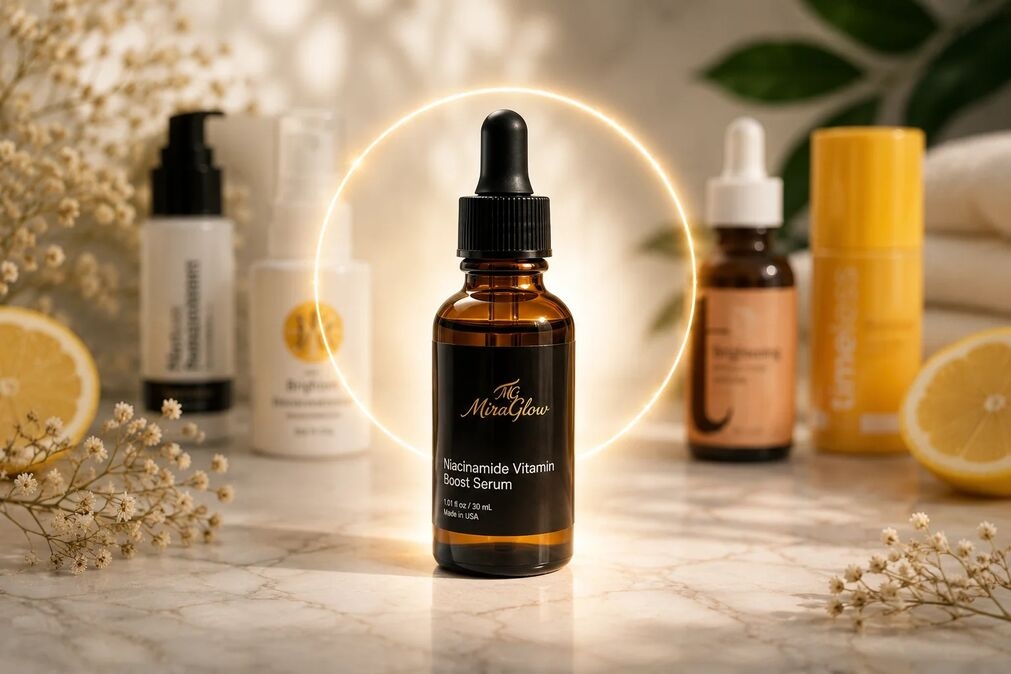
Vitamin C (ascorbic acid) is an antioxidant that can help with uneven tone and photodamage. Niacinamide supports barrier function and may reduce redness and hyperpigmentation. Antioxidants neutralize free radicals that contribute to visible signs of aging.
Hydrators and barrier repair
Hyaluronic acid attracts and retains moisture, improving plumpness. Ceramides, fatty acids, and cholesterol help repair and maintain the skin barrier, which is important for long-term skin health and resilience.
Peptides and collagen support
Peptides are short chains of amino acids that can signal skin cells and support structural proteins. Evidence varies by peptide type; expect subtle, gradual benefits rather than immediate results.
How to Build a Simple, Effective Routine
Morning
Gentle cleanser, antioxidant serum (optional), moisturizer, and broad-spectrum sunscreen. Sunscreen is essential regardless of other products used.
Evening
Cleanse, apply targeted actives (for example, a retinol product or brightening agent), and follow with a moisturizer to minimize irritation. Introduce new actives one at a time and allow several weeks to assess tolerance and effect.
Frequency and layering
Start actives like retinoids gradually (every other night or less), then increase frequency as tolerated. Avoid combining multiple strong actives (for example, high-strength acids and retinoids) without guidance to reduce risk of irritation.
Choosing Products by Skin Type and Concerns
Oily or acne-prone skin
Use lightweight, non-comedogenic formulations. Ingredients such as niacinamide and hyaluronic acid can hydrate without heavy oils; some retinoids also help with acne and texture.
Dry or sensitive skin
Prioritize barrier-repairing ingredients (ceramides, fatty acids) and gentler actives. Consider lower-strength retinoid options or alternatives like bakuchiol. Patch testing and gradual introduction reduce risk of redness.
Mature or textured skin
Combine exfoliating acids (AHA or gentle BHA), retinoids, and peptides for long-term texture and tone improvement. Consistent sun protection remains critical.
Claims, Safety, and Where to Find Reliable Information
Marketing terms can be confusing. Look for clinical evidence cited on product pages and check summaries from professional organizations. The American Academy of Dermatology provides evidence-based information on anti-aging skin care and common ingredient effects: American Academy of Dermatology.
Regulators such as the U.S. Food and Drug Administration (FDA) classify and regulate drug claims; cosmetic products making drug-like claims may be subject to additional oversight. Patch testing new products and consulting a board-certified dermatologist can clarify product suitability for specific concerns.
Frequently Asked Questions
Do Anti-Aging Creams for Him & Her really work?
Some topical ingredients have clinical support for improving specific concerns—retinoids for fine lines and texture, vitamin C for tone, and sunscreen to prevent further photodamage. Results depend on product formulation, consistent use, and individual skin biology; improvements are usually gradual.
How long before results are visible?
Noticeable changes may take weeks to months. Hydration improvements can show quickly; collagen-stimulating effects from retinoids and peptides typically take several months of regular use.
Are anti-aging products safe during shaving or with facial hair?
Shaving can increase sensitivity; gentle formulations and applying moisturizing creams after shaving can reduce irritation. Exfoliating acids or strong retinoids may cause stinging on freshly shaved skin—adjust timing or application to avoid discomfort.
When should a dermatologist be consulted?
Consult a dermatologist for persistent irritation, rapidly changing lesions, or when considering prescription-strength retinoids or combination treatments. A dermatologist can tailor recommendations to skin type, medical history, and concurrent medications.
References and guidance in this article draw on dermatology practice and public health recommendations. For personalized care, professional consultation is recommended.