API Automation Testing: Why Modern Teams Can’t Ignore It
-

- Published Updated
- 8,226 views
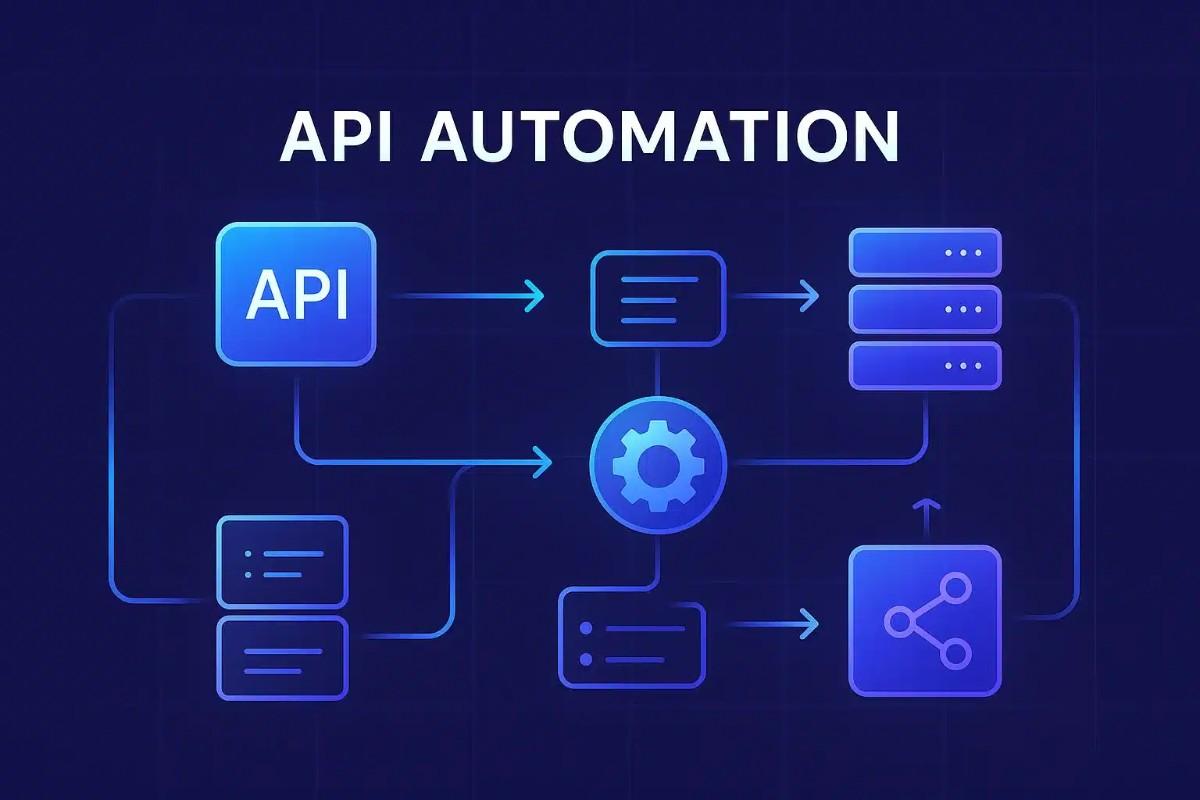
Software today runs on APIs. Whether you’re booking a cab, ordering food, logging into an app, or making an online payment, APIs are quietly handling the communication behind the scenes. But if an API fails, even a small issue can break the entire user experience. That’s exactly why API automation testing has become so important for development teams.
Earlier, testers used to manually check APIs by sending requests one by one and verifying responses. That worked when applications were smaller. But modern apps release updates frequently, sometimes multiple times a day. Manually testing every API after every change is almost impossible. Automation solves this problem by allowing teams to test APIs quickly, repeatedly, and with far better accuracy.
Understanding API Automation Testing
API automation testing is simply the process of using tools or scripts to automatically test APIs without human intervention every time. Instead of checking endpoints manually, automated tests verify whether the API behaves as expected.
For example, suppose an e-commerce platform has APIs for login, product search, payment, and order confirmation. If developers make changes to the backend, automation testing can instantly verify whether all these APIs are still working properly.
The biggest advantage here is speed. What may take hours manually can often be completed in minutes through automation.
Why Companies Prefer API Automation
One major reason companies are investing in API automation is reliability. APIs act as the foundation of modern applications. If the backend communication fails, users immediately notice issues such as failed logins, broken payments, or missing data.
Automation testing helps teams catch these problems before the product reaches users.
Another reason is continuous deployment. Most tech companies now follow CI/CD pipelines where code changes happen regularly. Automated API tests can run automatically whenever developers push updates, making the release process smoother and safer.
Apart from this, automation also reduces repetitive work for QA teams. Instead of running the same tests daily, testers can focus more on complex scenarios and improving overall product quality.
Common Areas Covered in API Testing
API automation testing is not only about checking whether an endpoint works. Good API testing covers multiple areas.
Functional Testing
This verifies whether the API returns the expected result. For example, if a login API receives correct credentials, it should return successful authentication.
Response Validation
The response format, status code, headers, and returned data are validated to ensure consistency.
Performance Testing
APIs are tested under heavy traffic to check how they behave when thousands of users access them simultaneously.
Security Testing
Sensitive APIs handling payments or user data are tested for authentication, authorization, and security vulnerabilities.
Negative Testing
This checks how APIs behave when invalid data or incorrect requests are sent.
Popular Tools Used for API Automation
Different teams use different tools depending on their project requirements and tech stack.
Postman is one of the most commonly used tools because it is beginner-friendly and easy to set up. Developers and testers can create collections, automate requests, and validate responses quickly.
For Java-based automation frameworks, Rest Assured is highly popular because of its flexibility and strong integration with testing frameworks.
SoapUI is another well-known tool that supports both REST and SOAP APIs.
Many modern teams are also exploring tools like Keploy to simplify API testing workflows and automate test generation for backend applications.
Challenges Teams Usually Face
Even though API automation saves time, it is not always easy to maintain.
One common issue is frequent API changes. If developers modify request parameters or response structures, existing automation scripts may fail and require updates.
Another challenge is handling authentication systems like OAuth or token-based security. Managing tokens dynamically inside automated tests requires additional setup.
Test data management is also important. APIs often depend on databases, and maintaining stable test environments can become difficult for large applications.
Still, despite these challenges, automation remains far more efficient than relying only on manual testing.
Best Practices for Better API Automation
Successful API automation depends heavily on proper planning and clean test design.
Teams should always write reusable scripts instead of duplicating code repeatedly. This makes maintenance easier in the long run.
Validating only status codes is not enough. Good API tests also verify response content, data accuracy, and edge cases.
It’s also important to run regression tests regularly so new updates do not accidentally break existing functionality.
Most importantly, API tests should be integrated with CI/CD pipelines. This allows automatic testing whenever new code is deployed.
The Future of API Testing
As applications continue moving toward microservices and cloud-native architectures, API testing will become even more critical. Companies are already adopting AI-powered testing tools that can automatically generate test cases and identify failures more intelligently.
The demand for faster software releases means automation is no longer optional. Teams that rely only on manual testing often struggle to keep up with modern development speed.
Conclusion
API automation testing has become an essential part of modern software development because APIs are now at the center of almost every digital product. Automated testing helps teams release software faster, improve reliability, and reduce production issues before users experience them.
While setting up automation requires initial effort, the long-term benefits are significant. Faster testing cycles, better coverage, and smoother deployments make API automation a smart investment for any development team aiming to build stable and scalable applications.