Dental Implant Pain: What to Expect, Recovery Timeline, and Practical Ways to Reduce Discomfort
-

- March 05th, 2026
- 198 views

Get a free topical map and start building content authority today.
Intent: Informational
Dental implant pain is a common concern for people considering implants. This guide explains what to expect before, during, and after implant surgery, clarifies the typical dental implant recovery timeline, and shows practical steps to reduce post-op discomfort.
- Most pain after implant placement is mild to moderate and peaks in the first 48–72 hours.
- Local anesthesia and sedation control pain during the procedure; post-op pain is managed with medication, ice, and rest.
- Bone grafts or sinus lifts can increase recovery time and discomfort.
- Follow a clear aftercare checklist to reduce risk of complications like infection or peri-implantitis.
Dental implant pain: what to expect
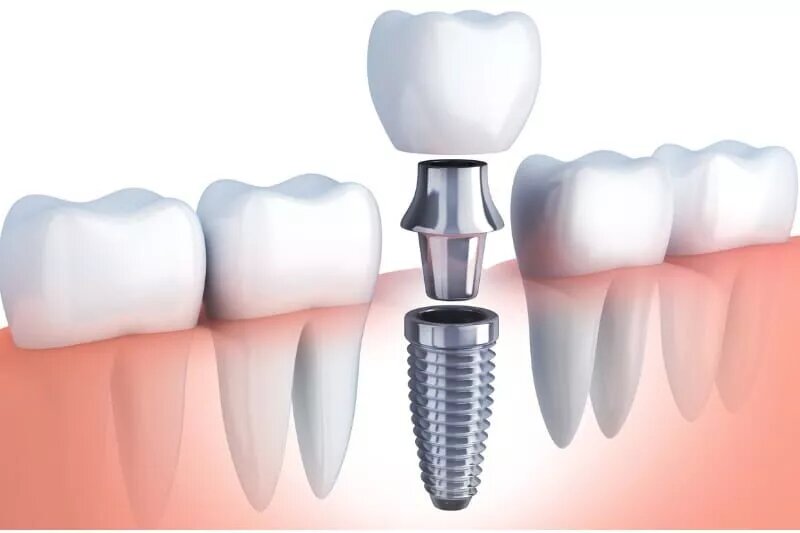
Expect minimal or no pain during the procedure because local anesthesia, often combined with nitrous oxide or IV sedation, blocks pain signals. Immediately after anesthesia wears off, dental implant pain is usually described as soreness or pressure rather than sharp pain. Pain intensity varies with surgical complexity, bone grafting, overall health, and whether multiple implants are placed at once. Related terms include osseointegration (the bone-healing process), peri-implantitis (an inflammatory complication), and implant crown placement (final prosthetic step).
Typical recovery phases and timeline
Recovery follows a predictable pattern that can be summarized as three phases:
- Acute recovery (0–3 days): Swelling and tenderness peak; analgesics and cold packs help.
- Subacute recovery (4–14 days): Stitches (if present) often removed; pain subsides to mild tenderness.
- Integration phase (3–6 months): Osseointegration occurs; minimal or no pain but occasional soreness with pressure may be felt.
Factors that lengthen recovery include complex bone grafting, smoking, uncontrolled diabetes, and poor oral hygiene. The phrase "dental implant recovery timeline" is a useful search term when planning treatment.
What causes post-op discomfort?
Common sources of pain after implant surgery are soft-tissue trauma, bone healing, pressure from temporary prosthetics, and inflammation. Infection is less common but causes persistent, worsening pain and requires prompt treatment. Pain from adjacent teeth or pre-existing conditions can also be mistaken for dental implant pain.
IMPLANT CARE CHECKLIST (named framework)
Use the IMPLANT CARE CHECKLIST to guide immediate aftercare and reduce complications:
- Ice intermittently for the first 48 hours (20 minutes on, 20 minutes off)
- Medication as prescribed—follow dosing and timing
- Protection of the surgical site—avoid touching or chewing directly on it
- Light diet for 48–72 hours; avoid hard or crunchy foods
- Avoid smoking and heavy alcohol for at least 1–2 weeks
- Notice signs of infection—fever, increasing pain, drainage—and contact the clinician
- Traction-free oral hygiene—gentle rinsing and careful brushing near the site
Practical tips to reduce dental implant pain
- Take prescribed or recommended analgesics before local anesthesia wears off to stay ahead of pain.
- Use cold packs intermittently for the first 48 hours to limit swelling and nerve irritation.
- Stick to soft, nutritious foods and stay hydrated; avoid hot liquids for the first 24 hours.
- Follow all post-op instructions from the surgical team, including activity limits and oral hygiene protocols.
- Report increasing pain, fever, or unusual drainage immediately—early treatment prevents larger problems.
Common mistakes and trade-offs
Common mistakes
- Stopping antibiotics or pain medication early without clinician approval—this increases infection risk and pain rebound.
- Smoking too soon after surgery—tobacco impairs blood flow and delays osseointegration.
- Overly aggressive rinsing or probing the surgical site—increases bleeding and delays healing.
Trade-offs to consider
Choosing sedation vs. local anesthesia reduces anxiety and perceived pain but increases cost and requires more recovery time and an escort home. Bone grafting at the time of implant placement shortens the overall treatment timeline but can increase short-term discomfort and swelling. Delaying implant placement (staged approach) may reduce immediate pain but extends the total treatment period.
Real-world example
Scenario: A 52-year-old patient receives a single lower molar implant with a small socket bone graft. During the first 48 hours the patient uses prescribed NSAID, applies ice as directed, and follows a soft-food diet. Swelling peaks on day two, pain is rating 3/10, and by day seven pain is minimal. Stitches dissolve; a three-month osseointegration period follows before the final crown. This illustrates typical, manageable dental implant pain for a routine case.
When pain signals a problem
Normal pain improves each day after the first 48–72 hours. Seek prompt care if pain worsens after initial improvement, if swelling increases after day three, or if there is fever or pus. These signs suggest infection or implant-related complications such as peri-implantitis.
Reliable sources and further reading
Authoritative organizations like the American Dental Association publish patient-facing guidance about implant options and oral surgery best practices. For official practice guidance, see the ADA resources on dental implants here: American Dental Association.
Core cluster questions
- How long does pain last after dental implant surgery?
- Do bone grafts make dental implants more painful?
- What is the best pain medication after dental implant placement?
- How can smoking affect implant healing and pain?
- When is implant pain a sign of infection?
Practical next steps
Before scheduling implant surgery, confirm medical history, medication interactions (especially blood thinners), and post-op support. Plan for time off work, arrange transportation if sedated, and secure soft foods and cold packs for home care. Discuss pain control preferences—nonopioid options are effective for most cases.
Final takeaway
Dental implant pain is usually limited, predictable, and manageable with proper planning and post-op care. Understanding the dental implant recovery timeline, following the IMPLANT CARE CHECKLIST, and reporting any warning signs promptly lowers risk and improves outcomes.
FAQs
How long does dental implant pain last?
Pain typically peaks within the first 48–72 hours and becomes mild within a week. Full bone healing (osseointegration) takes months but is usually not painful. Persistent or worsening pain after the first week should be evaluated.
Will getting a bone graft make my implant more painful?
Bone grafting adds surgical time and can increase short-term swelling and soreness, but the extra discomfort is usually manageable with the same aftercare measures used for implant placement.
Are strong painkillers necessary after implants?
Many patients control pain with NSAIDs and acetaminophen as directed. Opioids are rarely needed and usually prescribed only for severe cases or patient-specific reasons. Follow the clinician's guidance and dosing instructions.
Can implants fail because of pain?
Pain itself doesn't cause implant failure, but untreated infection or mechanical overload can. Early intervention for worsening pain or signs of infection reduces the risk of failure.
How does smoking affect implant pain and healing?
Smoking impairs circulation and bone healing, often increasing pain and raising the risk of complications. Quitting before and after surgery improves outcomes and shortens recovery.