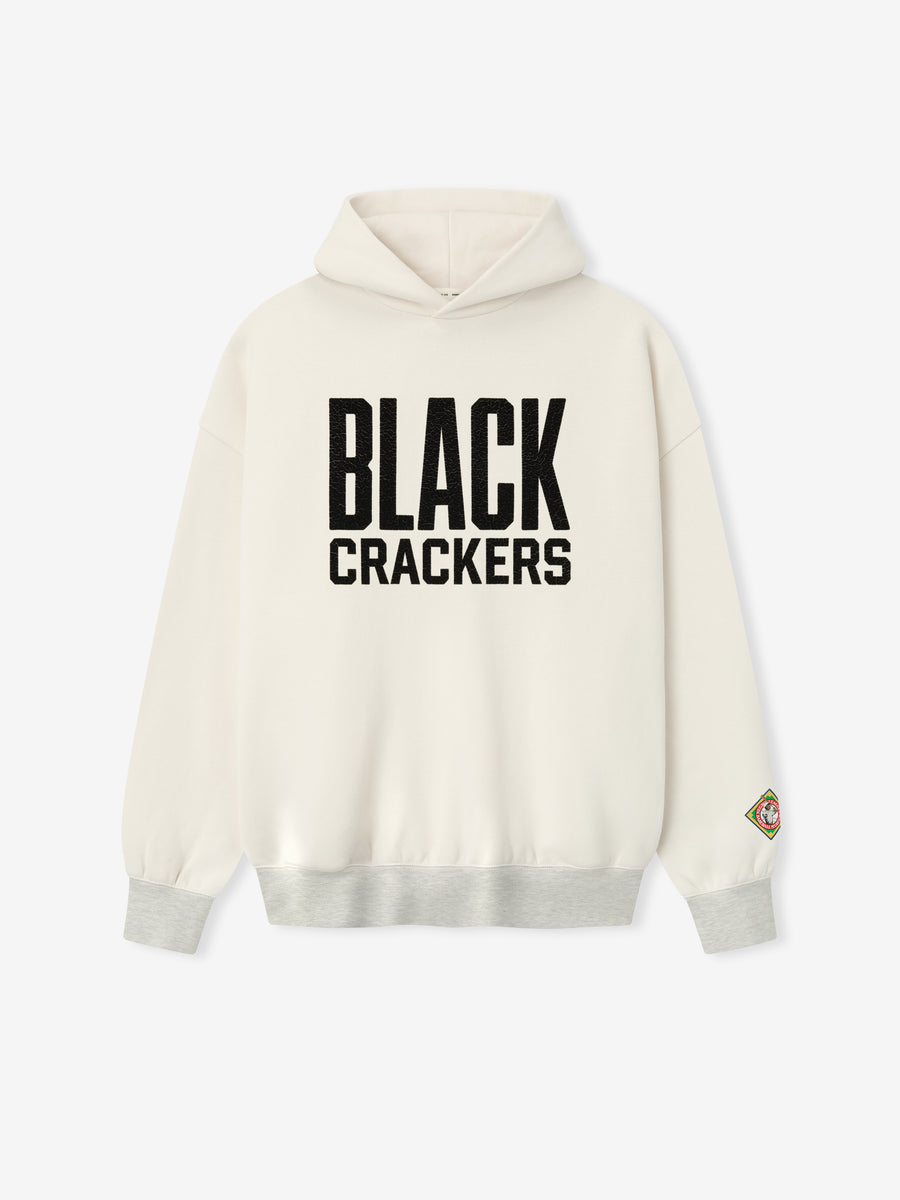
ASSC Hoodies and Individualism: How Streetwear Became a Symbol of Autonomy
-
- February 23rd, 2026
- 1,152 views
ASSC hoodies emerged as a visible signifier of individualism within modern streetwear, blending distinctive graphic design, limited releases, and fan-driven culture. Over the past decade these garments have been discussed not only as clothing but as cultural artifacts that signal membership, stance, and personal expression.
ASSC hoodies illustrate how a simple garment can carry meanings beyond function: brand identity, social signaling, and contested ideas of authenticity. This overview examines origins, symbolism, market forces, and debates around autonomy, resale, and cultural influence.
ASSC hoodies and the language of individualism
ASSC hoodies occupy a distinct place in the conversation about clothing and self-expression. The term refers to hooded sweatshirts produced by Anti Social Social Club (ASSC), a label that rose to prominence through streetwear channels, social media exposure, and scarcity-focused release strategies. These garments are frequently used to communicate personal identity and to negotiate belonging within youth and subcultural groups.
Origins and design elements
Foundational aesthetic
ASSC hoodies typically feature bold logo placement, simple typography, and muted colorways alongside occasional graphic experiments. Design choices emphasize recognizability and variability, allowing wearers to signal allegiance while retaining opportunities for individual styling.
Release strategy and scarcity
Limited drops and brief availability windows have been central to the label's visibility. Scarcity can enhance perceived exclusivity and encourage rapid consumer response; in turn, secondary markets often arise to satisfy demand beyond official channels.
Symbolism: autonomy, rebellion, and belonging
Expressing autonomy
For many wearers, ASSC hoodies act as a wearable assertion of autonomy—an outward marker that communicates a curated persona or stance. Clothing is one of several nonverbal codes used to negotiate social identity, and hoodies with pronounced branding can function as shorthand in that repertoire.
Belonging and subcultural capital
Within streetwear communities, the ability to access, style, or reinterpret a sought-after hoodie can create social currency. This phenomenon aligns with sociological theories of subcultural capital, where knowledge, rarity, and taste contribute to status.
Market dynamics and economic impact
Resale and valuation
Secondary markets have amplified attention around certain ASSC hoodies, sometimes far exceeding retail prices. These dynamics reflect broader trends in collectible fashion—where perceived scarcity, cultural relevance, and celebrity associations influence resale value.
Sustainability and consumption patterns
The interplay of limited production and high resale demand raises questions about sustainable consumption. Observers point to the environmental implications of producing sought-after items that circulate extensively on resale platforms.
Cultural debates and controversies
Authenticity and commercialization
Critics argue that brand-driven scarcity can commodify dissent or countercultural aesthetics, transforming symbols of rebellion into marketable products. Proponents see streetwear brands as legitimate cultural producers that reflect contemporary youth expression.
Appropriation and context
Discussions about cultural appropriation surface when designs borrow from other cultures or subcultures without engagement. Context, credit, and collaboration are factors frequently raised in debates about responsible cultural exchange in fashion.
How wearers adapt and personalize ASSC hoodies
Customization and DIY
Alteration, patching, and styling enable wearers to reclaim mass-produced garments as personal artifacts. Customization is a recurring strategy for negotiating mass-market branding and reasserting individual authorship.
Social media and identity performance
Platforms such as image-focused networks amplify how outfits are curated and circulated. Photographs, reviews, and unboxing posts turn individual choices into shared references that inform collective taste.
Context from cultural studies and public resources
Academic and museum scholarship on fashion and identity emphasizes clothing as symbolic communication shaped by economic, social, and historical forces. For a general overview of how fashion functions within society, see the Encyclopaedia Britannica's analysis of fashion and cultural meaning here.
Conclusion
ASSC hoodies exemplify the layered meanings of contemporary streetwear: they are objects of style, instruments of social signaling, and nodes in larger discussions about authenticity, commerce, and identity. Understanding their place in culture benefits from attention to design, market mechanisms, and the interpretive practices of wearers themselves.
Are ASSC hoodies a symbol of individualism?
ASSC hoodies are often used to express personal identity and autonomy, but interpretations vary across communities. For some they are symbols of individualism; for others they are markers of group membership or participation in consumer culture.
How do limited releases affect the perception of ASSC hoodies?
Limited releases can increase perceived exclusivity and desirability, encouraging rapid purchase behavior and stimulating secondary markets. The effect depends on demand, cultural visibility, and endorsements.
What are common ways people personalize ASSC hoodies?
Common personalization includes tailoring, dyeing, adding patches or embroidery, and combining the hoodie with distinct accessories or ensembles. Personalization is used to assert uniqueness within broader brand recognition.