Benefits of Automatic Pump Controllers in Water Management
-

- Published Updated
- 7,468 views
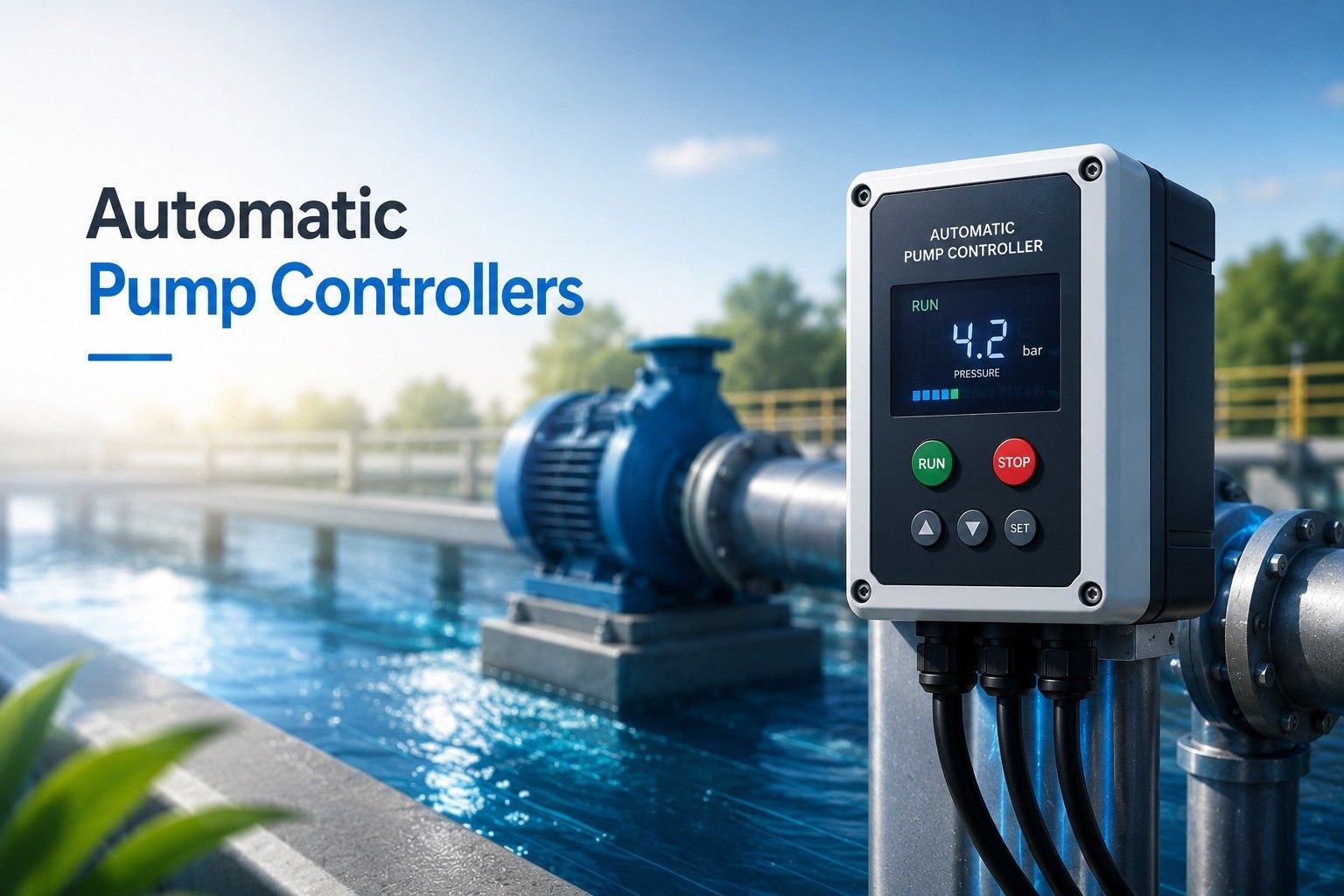
Water systems are underrated, and you barely notice them when they work perfectly, but the moment something goes wrong, everything feels off. Low pressure. Overflowing tanks. Pumps are running when they should not. It adds up. Now, think about this. Most of these problems aren’t because of bad equipment. They are because of poor control. That’s where an automatic pump controller changes the game. It doesn’t just switch a pump on or off. It observes. It reacts. It manages. Quietly.
Instead of someone manually checking tank levels or pressure, an auto pump controller handles it instantly. An automatic pressure pump controller ensures smooth water flow without sudden drops, while smarter systems prevent damage before it even begins. In reality, efficient water management is less about pumping water and more about controlling it properly. Once that clicks, everything else starts to make sense.
What is an Automatic Pump Controller
At its simplest, an automatic pump controller is a device that decides when your water pump should run and when it shouldn’t. But that simple definition doesn’t really do it justice.
Think about a typical setup. You have a pump, a tank, and some level of daily water usage. Without automation, someone has to keep an eye on it. Switch it on. Switch it off. Now introduce an automatic water pump controller into the system. Suddenly, the process becomes hands-free. The controller senses conditions, like water level or pressure, and acts accordingly. No intervention needed.
Then comes the role of an automatic pressure pump controller. Instead of focusing on tanks, it monitors pipeline pressure. Open a tap, pressure drops, pump starts. Close it, pump stops. It feels almost invisible. There’s also the automatic water pump pressure controller, which adds a protective layer. It prevents dry running, which can quietly destroy a pump over time.
These systems don’t just automate tasks. They optimise performance. They reduce stress on equipment. Also, they bring a level of consistency that manual systems simply can’t match.
How Does an Automatic Pump Controller Work
It might feel like magic at first. You open a tap, and water flows instantly. No switches, no waiting. But behind that ease, an auto pump controller is constantly reading signals and making decisions. It’s less about complexity and more about timing things right—every single time.
Pressure-Based Operation
An automatic pressure pump controller relies on detecting changes in pressure inside the pipeline. When water is drawn, pressure drops. This drop triggers the pump to start. Once demand stops, pressure stabilises, and the pump shuts off. It’s a continuous cycle that adjusts in real time. In everyday use, this means you get a steady water flow without manually controlling anything at all.
Tank Level Monitoring
In many setups, level sensors play a key role. An automatic water pump controller can track how much water is available in a tank. If levels fall below a set point, the pump activates. When the tank fills, it stops. This avoids overflow and ensures water is available when needed. It’s a simple mechanism, but incredibly effective in reducing both effort and waste.
Dry Run Protection
Here’s something people often overlook- pumps don’t like running without water. An automatic water pump pressure controller detects this condition quickly. If there’s no water supply, it cuts off the pump before damage occurs. Without this feature, motors can overheat or fail unexpectedly.
Intelligent Switching
Modern systems are designed to think ahead. An automatic pump controller avoids unnecessary start-stop cycles that can strain the motor. It optimises timing, delays, and operational transitions in a way that keeps operations smooth. The result is a system that feels stable. Not rushed. Just consistent, and that consistency is what makes automation truly valuable.
The Role of an Automatic Pump Controller in Improving Water Management Systems
An auto pump controller doesn’t just simplify operation. It improves the entire system. Water management becomes more predictable, more efficient, and far less dependent on human monitoring. This shift makes a bigger difference than most people expect.
Reducing Water Wastage
Overflowing tanks are surprisingly common. An automatic water pump controller eliminates that risk by stopping the pump at the right moment. No guesswork. No delays. Over time, this leads to noticeable water savings, especially in larger setups. It’s one of those changes that feels small initially but creates a significant impact when you look at long-term usage.
Maintaining Stable Pressure
Fluctuating pressure can make daily tasks frustrating. An automatic pressure pump controller keeps things balanced. Whether one tap is open or several, the system adjusts automatically. The experience becomes smoother, more predictable. Consistent pressure isn’t just comfort. It also reduces stress on plumbing systems.
Saving Energy
Pumps consume energy, and inefficient operation wastes it. An automatic pump controller ensures the pump runs only when required. No unnecessary cycles. No idle running. Over time, this reduces electricity consumption. It’s not dramatic in a single day, but across months, the savings become quite clear. Efficiency here is quiet but effective.
Improving System Reliability
Reliability often comes down to removing human error. An auto pump controller ensures the system behaves correctly every time. No forgotten switches. No accidental overuse. Everything runs as intended. In reality, this consistency reduces maintenance needs and extends equipment life. It’s one less thing to manage, and that simplicity matters.
Common Challenges Solved by Automatic Pump Controllers -
Most water system issues are not dramatic failures. They are small, recurring problems that slowly become frustrating. The real value of an automatic pump controller shows up here. Not in theory, but in everyday situations where things used to go wrong and now simply don’t.
Eliminating Manual Dependency
Earlier, someone always had to be responsible for switching pumps on and off. In real life, that’s where mistakes happen. An auto pump controller removes that dependency completely. No reminders. No checking tanks late at night. The system handles everything on its own. What many people don’t realise is how much mental load this actually removes over time.
Avoiding Pump Damage
Pump damage often doesn’t happen suddenly. It builds up due to poor operating conditions. An automatic water pump pressure controller helps prevent that by shutting down the pump when unsafe conditions are detected. For example, dry running or irregular supply. This protection keeps the motor safe and reduces unexpected repair costs, which can otherwise be quite high.
Managing Irregular Water Supply
In many areas, the water supply is not consistent. Sometimes it comes with low pressure, sometimes not at all. An automatic pressure pump controller adapts to these fluctuations by responding instantly to changes. Instead of running the pump blindly, it operates only when conditions are right. This makes the entire system more responsive and far more efficient.
Conclusion
When you step back and look at it, better water management isn’t about adding more equipment. It’s about making existing systems smarter.
This is exactly where Lauritz Knudsen Electrical & Automation stands out. Their pump controllers, like the MR-Gi Digital Single-Phase Controller and MU-GS Smart Controller, are designed with real-world challenges in mind. From built-in protection features to intelligent control functions, they offer solutions that go beyond basic automation.
These systems help manage water efficiently, protect equipment, and reduce operational stress, whether in agriculture, residential setups, or commercial applications.