How Solar Power Can Help Factories Reduce Their Electricity Bills
-

- Published Updated
- 4,301 views
For a factory, electricity is not just another monthly expense—it is essential for keeping the entire operation running. From heavy machinery and production equipment to lights, fans, computers, pumps, and cooling systems, almost every part of a modern factory needs power.
As electricity costs continue to put pressure on business budgets, factory owners are looking for smarter ways to manage their energy expenses. One solution that is becoming increasingly popular is solar power.
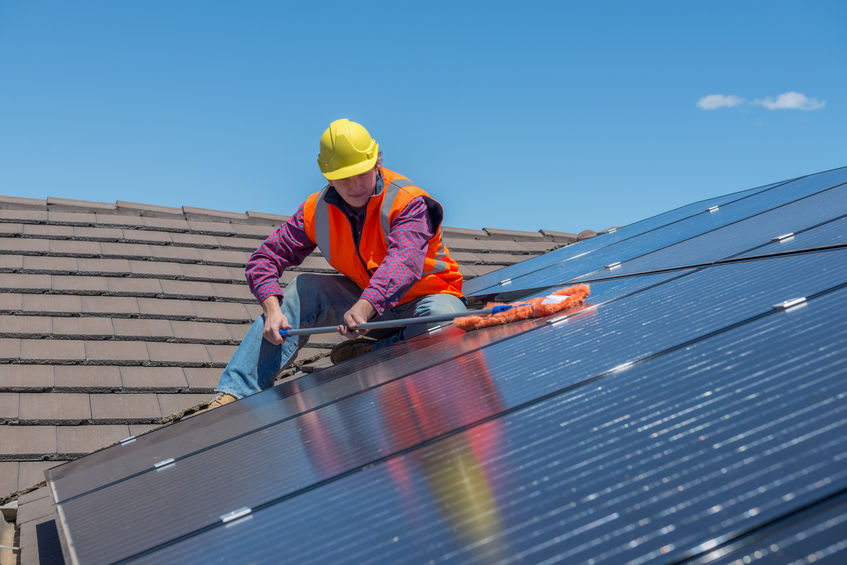
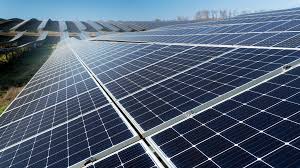
Solar panels allow factories to generate electricity from sunlight and use that power for their daily operations. When properly planned, a solar system can help reduce grid electricity consumption and support long-term energy savings.
Why Are Factories Considering Solar Energy?
Most factories use a significant amount of electricity every day. This makes them different from a typical household, where electricity consumption may be much lower.
The good thing is that factories often operate during the daytime—the same time when solar panels produce electricity.
This creates a simple opportunity:
Sunlight → Solar Panels → Electricity → Factory Operations
Instead of purchasing all the required electricity from the grid, a factory can generate a portion of its power on-site.
For businesses planning such an installation, working with a reliable solar company in Faridabad can help them understand their energy requirements and select a suitable solar solution.
1. Generate Your Own Electricity
The biggest advantage of solar power is simple: a factory can produce part of its own electricity.
Solar panels capture sunlight and convert it into usable electrical energy. This electricity can be used for machinery, lighting, office equipment, ventilation, pumps, and other electrical loads.
The more electricity a factory can generate and use itself, the less it may need to purchase from the grid.
The actual savings depend on the size of the solar system, electricity consumption, sunlight availability, and other factors. Therefore, a proper energy assessment should be completed before installation.
2. Reduce Monthly Electricity Costs
Electricity bills can take up a significant portion of a factory's operating budget. Reducing the amount of electricity purchased from the grid can help businesses manage these expenses more effectively.
For example, if a factory consumes a large amount of electricity during working hours, solar panels can generate power during those same hours. This allows the business to use solar electricity directly instead of depending entirely on grid power.
Over the long term, this can make solar energy an attractive option for businesses looking to control their operating costs.
3. Put Your Factory Roof to Work
Look at the roof of a typical large factory. There may be a huge amount of unused space sitting under the sun every day.
Why not use it to generate electricity?
Rooftop solar panels can turn this unused area into a productive energy-generating space. This is one reason industrial and commercial buildings can be well suited for solar installations.
Before installing panels, the roof should be checked for structural strength, available space, shading, orientation, and overall condition. A professional solar installer can conduct a site assessment and determine whether the rooftop is suitable.
4. Reduce Dependence on the Electricity Grid
Factories need a dependable supply of electricity to maintain production. However, relying completely on grid power means the business remains exposed to electricity costs and changes in energy tariffs.
Solar power provides an additional source of electricity.
It does not necessarily mean that a factory will stop using grid electricity completely. Instead, solar can work alongside the existing electricity supply and reduce the amount of power purchased from the grid.
This approach can provide businesses with greater flexibility in managing their energy consumption.
5. Solar Can Be a Long-Term Investment
Installing a solar system requires an initial investment. However, solar panels are designed to generate electricity for many years.
Once the system is installed, its regular operating requirements are generally manageable. This means a factory can continue generating electricity from sunlight without buying fuel for the generation process.
The financial return will depend on the system cost, electricity rates, energy consumption, system performance, and other factors. A professional assessment can help businesses understand the expected savings before making an investment.
6. Support More Sustainable Manufacturing
Cost savings are not the only reason businesses are turning toward solar power.
Solar energy is a renewable source of electricity. By generating clean energy on-site, factories can reduce their reliance on conventional electricity sources and take a step toward more sustainable operations.
For businesses that want to improve their environmental practices, solar can be a practical addition to their overall sustainability strategy.
Choosing the Right Solar Partner
A successful solar installation starts with choosing the right system and the right installation partner.
Every factory has different electricity requirements. A small manufacturing unit may need a different solution from a large industrial facility. The ideal system should therefore be based on actual energy consumption rather than simply the available rooftop area.
This is where professional guidance becomes important.
JETSOR Solar provides solar solutions for businesses looking to make better use of renewable energy. By understanding a company's electricity requirements and available installation space, a solar provider can help create a more suitable system plan.
For businesses searching for a solar company in Faridabad, choosing an experienced local provider can also make the process easier—from initial consultation and site assessment to installation and support.
Is Solar Power Right for Every Factory?
Solar can be a useful option for many factories, but the right solution depends on the individual facility.
Before making a decision, businesses should consider:
· Current monthly electricity consumption
· Factory operating hours
· Available rooftop or ground space
· Roof condition and structural strength
· Local sunlight conditions
· Existing electricity connection
· Available budget
· Applicable electricity and solar policies
Understanding these factors can help a factory owner make a more informed investment decision.
The Bottom Line
For factories with high daytime electricity consumption, solar power can be a practical way to reduce dependence on grid electricity and manage long-term energy expenses.
Unused rooftops can be converted into productive energy-generating spaces, while the electricity produced can support everyday factory operations. At the same time, businesses can take a step toward cleaner and more sustainable energy use.
The key is proper planning. A correctly sized system, professional installation, and regular maintenance can help a factory get better value from its solar investment.
With guidance from an experienced provider such as JETSOR Solar, businesses can explore solar solutions according to their specific energy requirements. For those looking for a solar company in Faridabad, professional advice can be the first step toward making solar power a practical part of their factory's energy strategy.