Best Badminton Accessories to Improve Performance and Comfort
-

- February 23rd, 2026
- 1,285 views
Choosing the right badminton accessories influences comfort, durability, and on-court performance. This guide outlines practical options for players of all levels, covering rackets and strings, shoes, shuttlecocks, grips, protective gear, and maintenance essentials.
- Prioritize a racket, appropriate string tension, and a well-fitted grip.
- Shoes with non-marking soles and lateral support reduce slipping on court surfaces.
- Select feather or synthetic shuttlecocks based on play level and conditions.
- Regular maintenance (regripping, restringing, proper storage) extends gear life.
Badminton accessories to consider
Rackets and string setup
Rackets are the central piece of equipment. Consider frame weight, balance (head-heavy, even, or head-light), and stiffness relative to swing speed and shot control. String choice and tension affect power, control, and durability: higher tension generally favors control for experienced players, while lower tension can increase power and be more forgiving for beginners. Consult certified stringing services or club stringers for tension ranges recommended by racket manufacturers and coaches.
Grips and overgrips
Grip size and tackiness influence racket control and wrist action. Replace worn grips to maintain a secure hold and reduce slippage. Overgrips add cushioning and sweat absorption without changing racket handle size significantly. Consider textured or tacky overgrips for intense sessions and humid conditions.
Shuttlecocks: feather vs synthetic
Feather shuttlecocks offer consistent flight and are used in competitive play, while synthetic (nylon) shuttles are more durable and economical for recreational use. Shuttlecock speed is rated for temperature and altitude—select speeds appropriate for the playing environment. Tournament standards and testing protocols are set by organizations such as the Badminton World Federation (BWF) for sanctioned events; see the BWF site for official rules and specifications: Badminton World Federation.
Shoes, apparel, and protective items
Court shoes and foot support
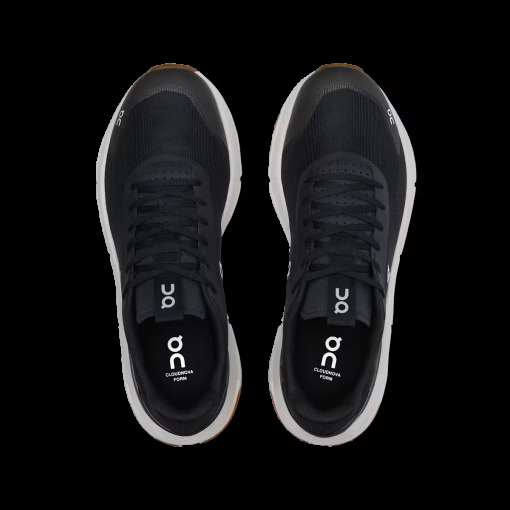
Shoes designed for court sports should have non-marking rubber soles, good lateral support, and cushioning suited to repeated jumps and quick directional changes. Look for outsoles with a tread pattern appropriate to indoor wood or synthetic courts. Consider ankle support or tape for players with prior instability, and consult a sports medicine professional for persistent issues.
Clothing and moisture management
Lightweight, breathable fabrics that wick moisture reduce discomfort during long sessions. Clothing should allow full range of motion without excessive drag or loose elements that could interfere with play.
Protective gear and small accessories
Common accessories include wristbands, sweatbands, vibration dampeners, and lightweight knee or ankle supports. These items can improve comfort and reduce distraction but are not substitutes for proper technique or medical treatment. Carry a small repair kit with replacement grommets, spare grips, and basic tools for minor on-court fixes.
Maintenance, storage, and care
Stringing and regripping intervals
Strings lose tension and elasticity over time; playing frequency and string type determine how often to restring. A simple guideline is to restring as often as the number of times per week a racket is used (e.g., play three times per week = restring three times per year), but personal playing style and string durability will vary. Regrip when the handle feels slick, flattened, or uncomfortable.
Storage and travel considerations
A padded racket bag protects frames from impact and environmental extremes. Avoid leaving rackets in hot cars or damp areas to prevent string degradation and frame distortion. Organize compartments for shoes, clothing, and shuttlecocks to reduce wear and moisture transfer.
Selecting accessories by level and goals
Beginner players benefit most from comfortable shoes, a forgiving racket setup, and durable shuttlecocks. Intermediate and advanced players often prioritize string tension adjustments, specialized grips, and lightweight travel gear. Training accessories—such as agility ladders, resistance bands, and shuttle-launching devices—support footwork and conditioning programs but should be introduced according to coaching guidance.
Budgeting and purchasing tips
Prioritize safety and fit
Invest first in properly fitting shoes and a reliable racket. Poor footwear can lead to slips and increased injury risk; an ill-suited racket can hinder technique development.
When to invest in specialty items
Specialty strings, custom grip work, and professional stringing pay off as playing frequency increases. Track equipment lifespan and replace components before failure to avoid mid-play breakages.
Frequently asked questions
What are essential badminton accessories?
Essential items include a suitable racket, appropriate stringing and grips, non-marking court shoes with lateral support, and shuttlecocks matched to competition level and conditions. Other useful accessories are a padded bag, spare grips, a basic repair kit, and moisture-wicking clothing.
How often should strings and grips be replaced?
Strings should be replaced based on playing frequency, string type, and performance loss; many players restring several times per year, while high-use players may restring monthly. Grips should be replaced when tackiness or cushioning diminishes—often every few weeks to months depending on use and sweat levels.
Are feather shuttlecocks worth the extra cost?
Feather shuttlecocks provide superior flight consistency and are standard in competitive play, but they are less durable and more sensitive to temperature and humidity. For regular club training or casual play, synthetic shuttlecocks offer better durability and lower long-term cost.
What type of shoes are best for different court surfaces?
Shoes with non-marking rubber soles and good lateral stability suit indoor wooden or synthetic courts. Look for cushioning that matches personal comfort preferences and a tread pattern that provides grip without leaving marks on the court surface.
Can accessories reduce injury risk?
Accessories such as supportive shoes, ankle braces, and proper grips can reduce slipping and improve stability, which may lower acute injury risk. These items do not replace proper technique, conditioning, or professional medical advice for injury prevention and management.