BuildiAssociate Building SEO: A Beginner’s Action Plan for Website Visibility
-
- May 10th, 2026
- 1,198 views
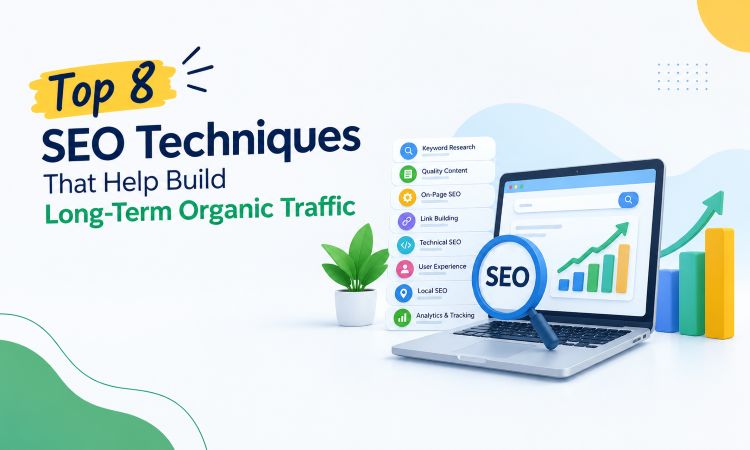
This beginner's guide explains practical search engine optimization (SEO) strategies for a BuildiAssociate building website, covering on-page content, technical setup, and useful tools. The guidance is designed to help site owners and content editors improve visibility in organic search without specialist jargon.
- Start with a clear site structure and simple, descriptive page titles and meta descriptions.
- Improve technical basics: mobile-friendly design, site speed, secure connections, and a sitemap.
- Create focused content with local and industry terms, use structured data where helpful, and track results with analytics and search tools.
BuildiAssociate building: Essential SEO steps
First steps for a BuildiAssociate building site include auditing content, confirming technical health, and creating an easy-to-navigate site structure. These foundational tasks help search engines index pages correctly and make it easier for visitors to find relevant information about services, project portfolios, and contact details.
Plan and organize site content
Define user-focused pages
Create pages that match common visitor needs: service descriptions, portfolio or case studies, contact and location pages, pricing or process explanations, and a blog or news area for ongoing updates. Each page should target a clear topic and use concise, descriptive headings.
Use descriptive titles and meta descriptions
Write unique page titles and meta descriptions that summarize the page purpose. Include primary and secondary terms naturally, but avoid keyword stuffing. Titles should be readable and under recommended character limits so they display properly in search results.
On-page content and keyword strategy
Target relevant phrases and topics
Research phrases that potential visitors use, such as industry services, local queries (city or region), and problem-solving terms. Combine high-level topic pages with more specific pages or posts to cover related queries in depth. Include semantic concepts like 'site speed', 'mobile-first', 'schema markup', and 'backlinks' where they are relevant to the content.
Write for clarity and usefulness
Content should answer common questions and help visitors take next steps (e.g., request a quote, view a portfolio, call a contact number). Use headings, short paragraphs, lists, and images with alt text to improve accessibility and scanning.
Technical SEO basics
Mobile friendliness and performance
Confirm the site uses a responsive design and loads quickly on both mobile and desktop. Compress images, minimize unnecessary scripts, and use modern hosting or caching. Faster pages typically perform better in search and improve user experience.
Sitemap, robots, and secure connections
Provide an XML sitemap and reference it in robots.txt so search engines can find important pages. Use HTTPS site-wide for security and trust. Regularly check for crawl errors and fix broken links or server issues.
Structured data and technical signals
Where relevant, add schema markup (structured data) for organization details, local business information, project portfolios, and reviews to help search engines display richer results. Follow guidelines from standards organizations such as the World Wide Web Consortium (W3C) for valid markup.
Measurement, tools, and best practices
Use search and analytics tools
Set up a search console and analytics platform to monitor impressions, clicks, and user behavior. Google Search Console is a common choice for tracking indexing status, performance reports, and URL inspection. For implementation details and official recommendations, consult the Google Search Central beginner's guide here.
Run periodic audits
Perform regular SEO audits that cover content quality, technical performance, and backlink profile. Audits reveal issues such as duplicate content, slow pages, or poor mobile rendering, enabling prioritized fixes.
Content promotion and local visibility
Local listings and citations
List the site in relevant local directories and industry platforms. Ensure consistent name, address, and phone number (NAP) information across listings and on the website to support local search performance.
Earn relevant links and mentions
Generate useful content such as project overviews, guides, or data that other websites or local partners may link to. Quality and relevance of links matter more than sheer quantity.
Maintenance and ongoing improvement
Keep content current
Update service pages, project examples, and contact information regularly. Add new articles or case studies that answer recent questions or showcase newer work.
Prioritize user experience
Monitor user metrics like bounce rate, time on page, and conversion actions to identify pages needing improvement. Simple UX enhancements—clear calls to action, faster pages, and mobile optimization—often yield measurable gains.
FAQ
How can a BuildiAssociate building website start improving SEO?
Begin with a content audit and technical checks: ensure pages have clear titles and meta descriptions, the site is mobile-friendly, an XML sitemap is available, and pages load quickly. Use search console tools to monitor indexing and performance.
What on-page elements matter most for builders and construction sites?
Page titles, headings, concise content describing services, project case studies, image alt text, and contact details are primary on-page elements. Include local information if targeting a geographic area.
Which technical tools help monitor SEO progress?
Search consoles and web analytics platforms provide performance data. Additional tools for speed testing, sitemap validation, and structured-data testing help maintain technical health. Regular checks of crawl reports and indexing status are recommended.