How to Choose the Right Cosmetic Surgery Clinic in 2026: Safety, Expertise, and Innovation
-

- Published Updated
- 87 views
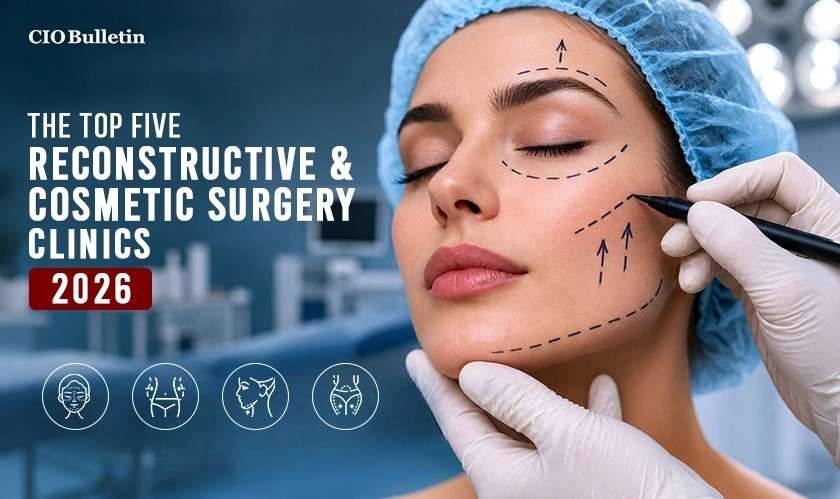
Cosmetic surgery has evolved significantly over the years, with modern medical facilities offering advanced procedures designed to enhance appearance, restore confidence, and address specific physical concerns. From facial rejuvenation and rhinoplasty to body contouring and reconstructive surgery, patients today have access to a wide range of treatment options. However, choosing the right clinic remains one of the most important decisions for anyone considering an aesthetic procedure.
In 2026, the growing popularity of medical tourism, technological innovation, and personalized healthcare has made it easier for patients to explore treatment options across international destinations. At the same time, the increasing number of clinics and providers makes careful research essential. Understanding the qualifications of medical professionals, evaluating patient safety standards, and examining the quality of post-operative care can help individuals make informed decisions.
Understanding the Difference Between Cosmetic and Reconstructive Surgery
Cosmetic surgery primarily focuses on improving appearance, symmetry, and physical proportions. Common procedures include facelifts, rhinoplasty, eyelid surgery, breast augmentation, and liposuction. These procedures are generally elective and are designed around a patient's individual aesthetic goals.
Reconstructive surgery, on the other hand, aims to restore the structure or function of body parts affected by injuries, congenital conditions, burns, or medical treatments. Examples include breast reconstruction following cancer treatment, scar revision, and complex facial reconstruction.
Although these specialties have different objectives, they share several important principles, including anatomical expertise, surgical precision, patient assessment, and appropriate follow-up care. Clinics with comprehensive medical capabilities may be better equipped to manage complex cases that require coordinated treatment from multiple specialists.
Understanding these distinctions helps patients identify the type of medical expertise required for their individual circumstances.
Why Choosing the Right Cosmetic Surgery Clinic Matters
The quality of a surgical facility plays an important role in the overall patient experience. An experienced surgeon needs a suitable clinical environment, qualified supporting staff, appropriate equipment, and established procedures for managing potential complications.
Before selecting a clinic, prospective patients should investigate the qualifications and professional registration of the surgeon performing the procedure. They should also verify whether the facility is appropriately licensed or accredited under the applicable healthcare regulations.
Accreditation can provide useful information about a healthcare institution's quality and safety processes, although patients should confirm the scope and current validity of any accreditation rather than relying on a logo displayed on a website.
Another important consideration is the clinic's experience with the specific procedure being considered. A facility that performs a broad range of treatments may not necessarily have equal expertise in every specialty. Patients should therefore ask about the surgeon's training, relevant experience, and approach to managing complications.
Transparent communication is equally important. A trustworthy medical professional should explain the expected benefits, potential risks, alternative treatments, and realistic limitations of a procedure without guaranteeing a particular result.
How Technology Is Transforming Modern Cosmetic Surgery
Technological innovation is changing the way cosmetic and reconstructive procedures are planned and performed. Advanced imaging systems, digital photography, three-dimensional modelling, and computer-assisted planning can help surgeons assess anatomy and communicate potential treatment outcomes more clearly.
Three-dimensional imaging, for example, may allow patients to understand proposed changes before surgery. However, digital simulations are estimates rather than guarantees, and actual results can differ because of individual anatomy, healing, and other clinical factors.
Modern surgical facilities may also use advanced monitoring equipment, improved imaging technologies, and specialized instruments to support clinical decision-making. In selected procedures, minimally invasive techniques can reduce tissue disruption, although their suitability depends on the patient's needs and the surgeon's assessment.
Artificial intelligence is another developing area within aesthetic medicine. Certain tools can assist with image analysis, treatment planning, and administrative processes. Nevertheless, technology should complement professional medical judgment rather than replace an appropriately qualified clinician.
Patients should ask whether a clinic's technology has a clear clinical purpose and whether claims about its effectiveness are supported by credible evidence.
The Growing Role of International Medical Tourism
Medical tourism has created new opportunities for people seeking specialized treatment outside their home countries. Destinations across Asia, Europe, and other regions attract international patients through their healthcare infrastructure, specialist expertise, and availability of different procedures.
South Korea is widely associated with facial aesthetic treatments, while Thailand and Singapore attract patients seeking a range of specialist healthcare services. Turkey is another destination frequently considered for aesthetic procedures. However, the quality of care varies between providers, and a country's reputation alone cannot establish the safety or suitability of an individual clinic.
Patients travelling abroad should evaluate the complete treatment journey rather than focusing exclusively on the advertised procedure price. Important considerations include travel expenses, accommodation, medical consultations, post-operative appointments, emergency support, and the availability of follow-up care after returning home.
Language support and access to medical records can also affect the treatment experience. Before travelling, patients should obtain a clear treatment plan and understand how complications or unexpected recovery needs would be managed.
A lower initial price should never outweigh essential safety considerations.
Essential Factors to Evaluate Before Making a Decision
Selecting a cosmetic surgery clinic requires more than comparing photographs or reading promotional material. A structured evaluation can help patients identify suitable providers and avoid decisions based on unrealistic expectations.
1. Surgeon qualifications: Verify the surgeon's relevant specialist training, professional registration, and experience with the intended procedure.
2. Facility standards: Confirm that the clinic or hospital is appropriately licensed, maintains suitable surgical facilities, and has protocols for emergencies.
3. Patient assessment: Look for a thorough consultation that considers medical history, current health, expectations, and individual risk factors.
4. Transparent pricing: Request a written estimate explaining the surgeon's fees, anesthesia, facility charges, medication, follow-up visits, and any additional expenses.
5. Realistic outcome discussions: Ask about likely results, limitations, possible complications, recovery requirements, and available alternatives.
6. Aftercare arrangements: Understand who will monitor recovery, how concerns will be addressed, and what support is available if complications arise.
7. Independent research: Review credible patient feedback and professional information while recognizing that testimonials and before-and-after photographs cannot independently establish clinical quality.
Taking time to assess these factors can help patients compare clinics more objectively and prepare meaningful questions for consultations.
Recovery and Long-Term Patient Care
Surgical care does not end when a procedure is completed. Recovery is an important part of treatment, and the timeline can vary according to the procedure, the patient's health, and individual healing patterns.
Patients should receive clear instructions about wound care, prescribed medication, activity restrictions, follow-up appointments, and warning signs that require prompt medical attention. They should also understand when normal activities, exercise, and travel may safely resume.
Some procedures require several weeks or longer for swelling and other temporary changes to settle. Patients should avoid planning important events around an assumed recovery date without discussing the expected timeline with their surgeon.
Clinics should provide realistic guidance and an accessible process for reporting concerns. For patients travelling internationally, arrangements for follow-up care deserve particular attention because returning to another country can complicate routine reviews or urgent treatment.
Making an Informed Choice in 2026
The future of cosmetic and reconstructive surgery will likely involve continued developments in digital planning, surgical instruments, personalized treatment, and patient monitoring. These innovations may create new opportunities, but the fundamental requirements of good healthcare remain unchanged: qualified professionals, appropriate facilities, evidence-based decision-making, informed consent, and responsible aftercare.
Patients should resist pressure to make quick decisions based on discounts, social media trends, or promises of perfect results. A consultation should provide enough time to discuss individual goals, understand potential risks, and consider whether surgery is genuinely appropriate.
The best clinic for one person may not be the right choice for another. Individual medical needs, the complexity of the procedure, professional expertise, and access to follow-up care should guide the decision.
For readers who want to explore leading institutions and learn more about the qualities that distinguish established providers, specialist healthcare publications can offer a useful starting point for further research. Combining such resources with independent verification and direct consultations can support a more informed approach to cosmetic surgery.
Ultimately, choosing a cosmetic surgery clinic should be a decision grounded in safety, expertise, transparency, and realistic expectations. Careful preparation allows patients to focus on their health and well-being while evaluating the treatment options available to them.
Explore the 2026 Guide to Top Cosmetic Surgery Clinics
For additional insights into internationally recognised cosmetic and reconstructive surgery facilities, their specialisations, and the role of modern medical technology, read this detailed guide from CIO Bulletin:
Top Cosmetic Surgery Clinics 2026 Guide: https://ciobulletin.com/blogs/top-cosmetic-surgery-clinics-2026-guide