Complete Guide to CPAP Mask Parts and Maintenance for Better Sleep Therapy
-

- April 28th, 2026
- 412 views

Get a free topical map and start building content authority today.
CPAP mask parts determine comfort, seal, and the effectiveness of sleep therapy. Knowing each component, when to clean or replace it, and how parts interact with the machine reduces leaks, skin irritation, and therapy interruptions.
Detected intent: Informational
This guide explains essential CPAP mask parts, a named maintenance checklist (CARE), practical tips, common mistakes, and a short real-world example to help maintain consistent sleep therapy.
CPAP mask parts: what each component does
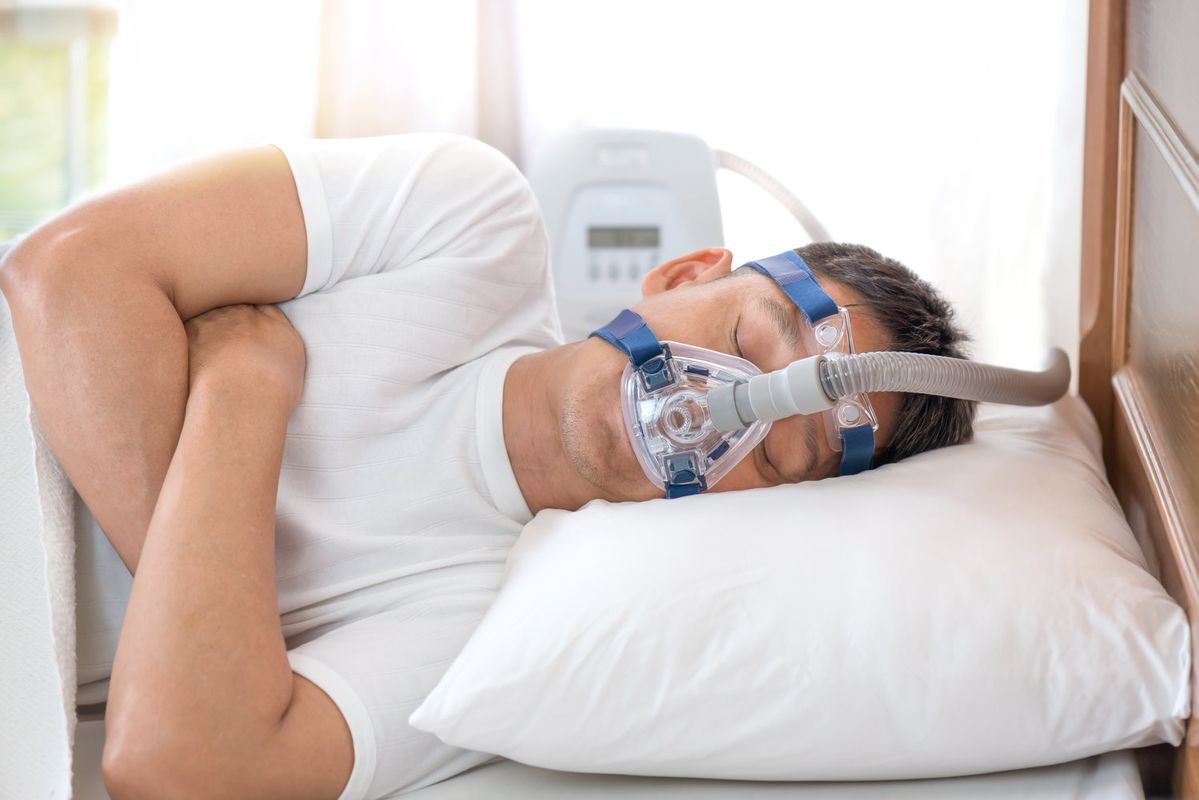
Understanding CPAP mask parts clarifies why a leak might happen, which item needs replacement, and how cleaning affects performance. Common components include cushion, frame, headgear, elbow/swivel, tubing, filters, and exhalation ports.
Cushion (seal)
The cushion is the soft part that contacts the face: silicone, gel, or memory foam. It creates the seal against the nose or mouth and is a frequent source of leaks and skin irritation. Lifespan varies—inspect for cracks, permanent creases, or loss of elasticity.
Frame and shell
The frame holds the cushion and connects to headgear. Cracks, warped shapes, or broken clips reduce seal integrity. Replace frames that no longer hold the cushion snugly.
Headgear and straps
Headgear secures the mask. Elastic stretches over time, lowering mask tension and causing leaks. Velcro points and quick-release buckles wear out and should be inspected regularly.
Elbow, swivel, and quick-release
These connectors allow movement during sleep and link the mask to tubing. Buildup or breakage can block airflow or allow leaks. Check gaskets and seals at these junctions.
Tubing and CPAP tubing maintenance
Tubing transfers pressurized air. Inspect for kinks, holes, or discoloration. Regular CPAP tubing maintenance reduces mold risk and improves airflow. Replace tubing if it shows deterioration or persistent odor.
Filters and vents
Filters protect the machine from dust and allergens; vents (or exhalation ports) release exhaled air. Disposable filters should be changed per the manufacturer’s schedule and reusable filters washed periodically.
CARE Maintenance Checklist (named framework)
The CARE Maintenance Checklist is a simple, repeatable model for routine CPAP mask care:
- Clean: Daily wipe of the mask cushion and weekly wash of tubing and components.
- Assess: Inspect parts weekly for wear—cushion tears, stretched headgear, cracked frames.
- Replace: Swap disposable filters, cushions, and tubing on a recommended schedule or when damaged.
- Ensure fit: Refit headgear and cushion monthly or after any weight change, dental work, or noticeable leaks.
Practical maintenance schedule and tips
Routine cleaning
Daily: Wipe cushion and mask frame with a mild, fragrance-free soap and rinse. Weekly: Wash tubing, headgear, and non-electrical parts in warm soapy water, rinse thoroughly, and air dry. Monthly: Inspect filters and replace disposable types.
Practical tips
- Keep a spare cushion and tubing handy to swap in while the other set dries after cleaning.
- Use lukewarm water and mild soap; avoid alcohols and strong detergents that degrade silicone.
- Document replacement dates—mark calendar or device notes for cushion and tubing changes.
- Adjust headgear tension incrementally; overtightening causes pressure sores and leaks.
CPAP cushion replacement
Replace cushions on a schedule recommended by the device or supplier, or sooner if deformation, cracking, or persistent leaks occur. Foam cushions often require more frequent replacement than silicone.
Troubleshooting: common mistakes and trade-offs
Common mistakes
- Waiting until a component fails rather than replacing it on a preventative schedule—this increases therapy interruptions.
- Using harsh cleaners or dishwasher cycles that warp cushions and frames.
- Ignoring tubing odor or discoloration—signs of microbial growth that require immediate cleaning or replacement.
Trade-offs to consider
Higher-cost cushions (e.g., gel) can improve comfort and reduce pressure marks but may require similar replacement frequency as silicone. Disposable filters are convenient; washable filters save money but need consistent cleaning. Heavier headgear can stabilize the mask but feel less comfortable for some users.
Short real-world example
A patient noticed nightly leaks and dry eyes. Inspection revealed a creased silicone cushion and stretched headgear. After replacing the cushion and readjusting the headgear tension per the CARE checklist, leaks stopped and therapy adherence improved within a week.
Core cluster questions
- How often should CPAP mask cushions be replaced?
- What is the safest way to clean CPAP tubing?
- How to tell if CPAP headgear needs replacement?
- What causes mask leaks and how do individual parts contribute?
- Are washable CPAP filters effective compared to disposable filters?
References and official guidance
For clinical guidelines and patient resources on sleep apnea and CPAP therapy, consult the American Academy of Sleep Medicine: aasm.org.
FAQ
How do CPAP mask parts affect therapy?
Each CPAP mask part contributes to the overall seal and airflow. A damaged cushion, worn headgear, or cracked frame can introduce leaks, reducing therapeutic pressure and causing fragmented sleep. Regular inspection and timely replacement uphold prescribed pressures and treatment effectiveness.
How often should the CPAP tubing be replaced?
Tubing generally lasts several months to a year depending on use and cleaning. Replace tubing if it becomes discolored, develops holes, retains odor, or shows signs of wear that could harbor microbes.
Can cleaning extend the life of mask parts?
Consistent cleaning removes oils, sweat, and contaminants that degrade cushions and headgear. Following the CARE checklist helps extend the useful life of parts and maintains hygiene.
Is it safe to use household cleaners on mask parts?
Avoid strong chemicals, bleach, or alcohol-based cleaners. Use mild, fragrance-free soap and warm water. Harsh cleaners can harden or crack silicone and weaken fabrics.
What are signs the headgear needs replacing?
Signs include permanent stretching, loss of elasticity, frayed straps, or Velcro failure. If tightening no longer secures the mask without overtightening, replacement is necessary.