How to Choose the Right Slab of Diana Cross Vein Italy Marble
-

- Published Updated
- 2,282 views

Choosing natural marble is not simply about picking the slab with the most attractive pattern. Every slab can have differences in background shade, veining, movement, and overall appearance. This becomes especially important when selecting Diana Cross Vein Italy Marble, where the natural vein pattern can become a major part of the interior design.
For homeowners, architects, and interior designers, looking at the complete slab and considering how it will work within the planned space can make the selection process much easier.
Understand the Natural Vein Pattern
The first thing to examine is the marble's natural veining. Diana Cross Vein Marble can have distinctive vein movement that creates visual character across the surface. Instead of judging the stone from a small sample, look at the complete slab to understand how the veins develop from one end to another.
Think about whether you prefer subtle movement or a more noticeable pattern. If the marble is intended for a large floor or feature wall, the way the veins continue across multiple slabs can significantly influence the finished appearance.
Check the Background Shade
The base colour of the marble is equally important. Natural stone can show variations in tone, so compare the slabs that will actually be used for your project.
Place several slabs next to each other where possible. This makes it easier to notice differences in the background shade and determine whether they will create a consistent appearance after installation.
For a calm and elegant interior, you may prefer slabs with a relatively uniform background. If you want a more expressive natural-stone appearance, some variation may be desirable.
Look at the Slab as a Whole
A common mistake is focusing on one attractive section of a slab. A small area may look excellent in a showroom, but the complete slab could have a different visual balance.
Step back and view the entire surface. Look at where the strongest veins are located, how much open background is visible, and whether the pattern suits the size of your application.
This is particularly important for large living rooms, entrance areas, walls, and other spaces where a substantial portion of the slab will remain visible.
Consider Where the Marble Will Be Installed
The right slab depends partly on its intended application. A slab that works beautifully as a feature wall may not create the same effect when installed across a large floor.
For flooring, consider how multiple slabs will sit next to one another and whether their vein directions can create a visually connected layout. For walls, stronger patterns can sometimes be used as a focal point behind a television unit, entrance feature, staircase, or other architectural element.
Before purchasing, share the approximate dimensions of the area with your fabricator or supplier so the slab layout can be planned properly.
Compare Slabs Under Different Lighting
Lighting can change the way marble appears. Natural daylight, warm indoor lighting, and cooler artificial lighting may reveal different aspects of the stone.
If possible, inspect your shortlisted slabs under the lighting conditions that are similar to your actual project. Pay attention to the background colour and whether the veins become more or less prominent.
This simple step can help prevent disappointment after installation.
Check Slab Dimensions and Usable Area
The visual appearance is important, but practical details should not be overlooked. Check the available slab dimensions and determine whether they are suitable for your project.
Large applications may require multiple slabs, which means cutting and placement need to be considered before final selection. A slab may look beautiful, but excessive cutting could change how its main vein pattern appears.
Ask the supplier or fabricator to explain how the slab can be cut according to your room measurements and design requirements.
Plan the Vein Direction Before Cutting
Vein direction can have a strong impact on the finished design. Depending on the application, you may want the veins to run in a particular direction or create a coordinated pattern between adjoining pieces.
For projects involving several slabs, creating a layout plan before cutting can help identify how each piece will connect visually.
Do not leave this decision until installation day. Once the slabs have been cut, there may be limited opportunities to change the arrangement.
Visit a Reliable Marble Showroom
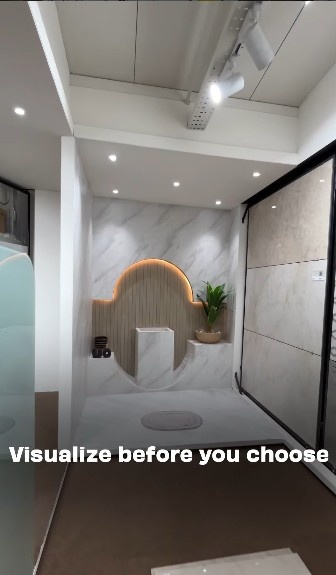
When exploring the Marble Market in Bangalore, do not make your decision based only on photographs or online listings. Visiting a showroom allows you to inspect the actual slabs and compare different pieces side by side.
Ask questions about the available material, slab dimensions, finish, natural variation, and suitability for your intended application. A knowledgeable supplier should also be able to help you understand how the stone may look when used across a larger area.
Taking photographs and noting the slab numbers of your preferred options can also make it easier to compare them later.
Consider Maintenance and Everyday Use
Before finalizing the marble, think about how the space will be used. Flooring in a frequently used area may require a different approach to care and maintenance than a decorative wall.
Ask about appropriate cleaning practices and products for the selected marble. Avoid assuming that all natural stones require exactly the same care. Following suitable maintenance recommendations can help preserve the stone's appearance over time.
Final Thoughts
Choosing the right Diana Cross Vein Italy Marble slab requires more than finding a beautiful pattern. Examine the complete slab, compare background shades, study the natural veins, check dimensions, consider lighting, and plan the layout before cutting.
Most importantly, choose based on the actual slabs available for your project rather than relying only on a small sample. A careful selection process can help you create a marble installation that feels balanced, coordinated, and suited to your interior for years to come.