Email Marketing vs Social Media: How to Decide the Best Channel for Your Goals
-

- February 23rd, 2026
- 1,147 views

FREE SEO Topical Map Generator: Find Your Next Content Ideas
Choosing between email marketing vs social media is a common decision for organizations building customer relationships and growing audiences. Each channel has distinct strengths — email is often stronger for direct, measurable outreach and conversion, while social media supports brand awareness, community building, and real-time engagement.
- Email tends to deliver higher conversion potential through segmentation, automation, and direct inbox access.
- Social media excels at discovery, viral reach, and two-way engagement but often requires paid promotion for wide organic reach.
- Cost, measurement, audience, and compliance should determine the channel mix rather than choosing a single "winner."
How email marketing vs social media differ by main marketing objectives
Understanding the primary use cases helps align channels to goals:
Awareness and reach
Social media platforms enable broad, fast distribution of visual and shareable content. Organic reach varies by platform and has declined over time on many networks, making paid social often necessary for predictable scale.
Acquisition and conversion
Email marketing is typically stronger for conversion-focused workflows because it reaches known contacts, can leverage personalization and automation, and supports multistep nurture sequences that guide recipients to action.
Audience, targeting, and lifetime value
Audience ownership
Email lists represent owned channels: contact details and consent permit direct communication independent of platform algorithm changes. Social media audiences are rented; platform policy or algorithm shifts can abruptly change reach.
Targeting and segmentation
Both channels support segmentation. Email allows segmentation by purchase history, engagement, and CRM data. Social media offers sophisticated interest and behavior targeting but depends on platform data and paid campaigns for accuracy.
Cost, measurement, and return on investment
Cost structure
Email costs are often predictable: platform fees, creative costs, and list acquisition. Social media can have lower organic costs but typically requires ongoing ad spend for large-scale reach and precise targeting.
Measuring results
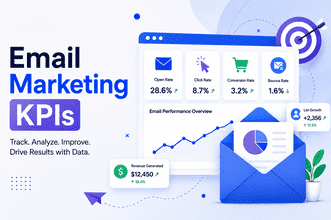
Email reporting commonly includes open, click-through, conversion, and unsubscribe rates. Social media metrics emphasize impressions, reach, engagement, and referral traffic. For reliable ROI comparisons, track the same business outcomes (leads, sales, revenue per channel) and use UTM parameters or attribution models.
Compliance, deliverability, and platform rules
Regulatory considerations
Email marketing is regulated by laws such as CAN-SPAM in the United States and the General Data Protection Regulation (GDPR) in the EU; those frameworks dictate consent, opt-out mechanisms, and data-handling expectations. Social media activity must follow platform policies and advertising rules, and paid ads must comply with regulators like the Federal Trade Commission for disclosures on endorsements and sponsored content.
Deliverability and moderation
Deliverability issues (spam filters, sender reputation) affect email performance and require list hygiene and authentication standards (SPF, DKIM). Social media posts face content moderation and algorithmic filtering that influences visibility.
When to prioritize email, social, or both
Prioritize email when:
- Direct response, repeat purchases, or lead nurturing are primary goals.
- Retention and lifetime value are the focus, and there is an existing permissioned list.
- Personalization and sequential automation are needed to guide users to conversion.
Prioritize social media when:
- Brand awareness, community engagement, or viral growth are top objectives.
- Visual storytelling, influencer partnerships, or real-time interaction matter.
- Testing creative concepts quickly with diverse audiences is useful.
Combining channels: a practical approach
Most effective strategies integrate both channels. Common patterns include:
- Using social media to attract new prospects and drive sign-ups to an email list.
- Nurturing leads in email after initial social engagement to increase conversions.
- Repurposing high-performing email content into social posts and vice versa to maximize content value.
Practical measurement and testing tips
Set clear KPIs
Define outcomes such as cost per acquisition, conversion rate, and customer lifetime value to compare channels on business-relevant terms.
Run controlled experiments
Use A/B tests within email and split-tests in social campaigns. When comparing channels, use consistent landing pages and tracking to reduce attribution bias.
Resources and industry context
Data on social media adoption and usage trends can inform channel selection. For broader research on social platform usage patterns and demographics, see the Pew Research Center. Pew Research Center
FAQ
Is email marketing vs social media better for conversions?
Email marketing often produces higher conversion rates when audiences are permissioned and campaigns are well-segmented, because it enables direct, personalized calls to action. Social media can drive conversions too, particularly when combined with targeted advertising and retargeting, but conversion efficiency depends on creative, audience fit, and the conversion funnel.
How should small organizations split resources between email and social?
Allocate resources according to goals and cost-effectiveness: prioritize email if a small budget must be spent on direct conversion and retention; prioritize social when building initial awareness or community is the immediate need. Where possible, build an email list from social followers to create long-term owned reach.
Can the same content be used for both channels?
Yes. Repurpose long-form email content into short social posts or use social content to inspire segmented email campaigns. Adapt messaging and format to match channel norms: concise, visual content on social; more detailed, personalized content in email.
What compliance steps are essential for email and social?
For email, maintain clear consent records, provide easy unsubscribe options, and follow regional data protection laws. For social, follow platform advertising policies, disclose sponsored content, and adhere to applicable advertising regulations from bodies like the FTC.
How long does it take to see results from each channel?
Social media can yield immediate visibility and traffic but may require ongoing investment for scale. Email results depend on list size and quality; with a permissioned list, campaigns can show measurable results quickly, while list-building is a longer-term effort.