
No ERP No Growth The Future of Supply Chains Explained
-

- Published Updated
- 374 views
Introduction
In an era defined by volatility, customer expectations, and global competition, businesses are realizing a critical truth: without intelligent ERP systems, sustainable supply chain growth is nearly impossible. Key Dynamics Solutions, a leading provider of enterprise technology and digital transformation services, today announced insights into how modern organizations can unlock operational efficiency and resilience using Dynamics 365 supply chain management, D365 Finance, and advanced ERP-driven strategies.
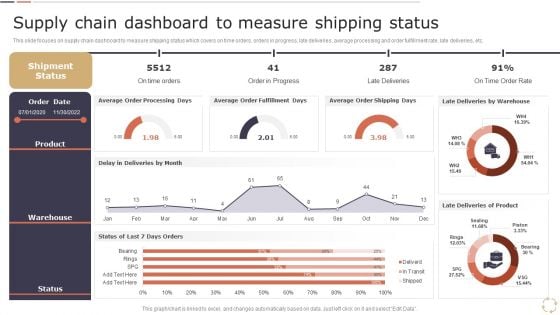

Supply chains have evolved from simple logistics networks into complex ecosystems that demand real-time visibility, predictive analytics, and seamless coordination across procurement, manufacturing, warehousing, and distribution. Traditional systems often operate in silos, creating inefficiencies, delays, and increased operational costs. This is where Microsoft Dynamics 365 and integrated ERP in supply chain processes play a transformative role.
According to industry trends, companies that adopt modern ERP platforms experience measurable improvements in inventory accuracy, demand forecasting, and financial transparency. With D365 SCM and D365 Finance, organizations gain unified data intelligence that enables faster decision-making and proactive risk management.
Why ERP Systems Are Now Essential for Supply Chain Success?
ERP systems serve as the digital backbone connecting every stage of supply chain operations. From supplier collaboration to warehouse automation, ERP solutions eliminate manual bottlenecks while enhancing accuracy and productivity.
Key benefits include:
End-to-end operational visibility across supply chain networks
Real-time financial insights through D365 Finance integration
AI-driven demand forecasting and inventory optimization
Improved supplier performance tracking and procurement efficiency
Automated compliance and risk monitoring
With the growing complexity of global trade and customer expectations for faster deliveries, ERP systems are no longer optional — they are mission-critical.
The Power of D365 Supply Chain Modules
Modern organizations require flexibility and scalability, which is why D365 Supply Chain Modules are designed to address specialized operational needs. These modules include inventory management, warehouse management, production control, asset management, and demand planning — all integrated within a single intelligent platform.
By leveraging these modules, businesses can:
Optimize inventory levels and reduce carrying costs
Improve production scheduling accuracy
Enhance warehouse productivity with automation
Monitor equipment performance and reduce downtime
Strengthen demand forecasting using AI insights
This modular approach ensures companies can adapt quickly to market disruptions while maintaining operational efficiency.
Bridging Finance and Operations with D365 Finance
One of the most significant challenges in supply chain management is aligning financial data with operational performance. D365 Finance solves this challenge by connecting financial planning, procurement, inventory valuation, and cost management into one unified environment.
This integration allows organizations to:
Track profitability across supply chain activities
Manage working capital more effectively
Improve budgeting accuracy and forecasting
Gain real-time cost visibility across operations
The result is smarter financial decision-making that directly supports supply chain growth.
ERP in Supply Chain: From Reactive to Predictive
Traditional supply chains often react to disruptions after they occur. Modern ERP platforms powered by analytics and automation enable predictive capabilities that help businesses anticipate risks before they escalate.
With AI-enabled ERP systems, companies can:
Predict demand fluctuations and avoid stockouts
Identify supply chain bottlenecks early
Optimize transportation and logistics planning
Improve customer satisfaction through faster fulfillment
These predictive capabilities are becoming a competitive differentiator across industries, from manufacturing to retail and distribution.
A Future Built on Intelligent Supply Chains
As global markets continue to evolve, organizations must embrace digital transformation to remain competitive. ERP platforms like Microsoft Dynamics 365 provide the technological foundation needed to build resilient, scalable, and intelligent supply chains.
Microsoft technologies combined with the implementation expertise of Key Dynamics Solutions enable businesses to accelerate ERP adoption while minimizing operational disruption.
The message is clear: companies that delay ERP modernization risk falling behind competitors who leverage data-driven supply chain intelligence.
Frequently Asked Questions (FAQs)
1. What is Dynamics 365 Supply Chain Management?
Dynamics 365 Supply Chain Management is an advanced ERP solution that helps organizations manage procurement, manufacturing, inventory, warehousing, and logistics within a unified platform.
2. How does D365 Finance support supply chain operations?
D365 Finance connects financial data with operational processes, allowing businesses to monitor costs, profitability, and working capital in real time while improving financial planning.
3. What are the main D365 Supply Chain Modules?
Core modules include inventory management, warehouse management, production control, demand forecasting, procurement, and asset management.
4. Why are ERP systems important in supply chain management?
ERP systems provide centralized data, automation, and analytics that improve efficiency, reduce errors, enhance visibility, and support better decision-making across supply chain operations.
5. How can businesses start implementing ERP in supply chain processes?
Organizations typically begin with a needs assessment, followed by ERP platform selection, phased implementation, integration with existing systems, and employee training with expert guidance.
