Raw Materials vs Work in Progress vs Finished Goods: Understanding Inventory Stages
-

- Published Updated
- 3,198 views
Every product a customer buys goes through multiple inventory stages before it reaches the shelf. It begins as raw material, moves into production as work in progress (WIP), and finally becomes a finished good ready for sale. Understanding these three stages is essential for improving inventory accuracy, reducing production delays, and managing costs more effectively.
Many businesses struggle with inventory because they treat every item as the same type of stock. In reality, each inventory stage requires different tracking, storage, valuation, and planning strategies. Whether you run a manufacturing company, warehouse, or growing retail business, knowing where your inventory sits in the production cycle helps you make smarter operational decisions.
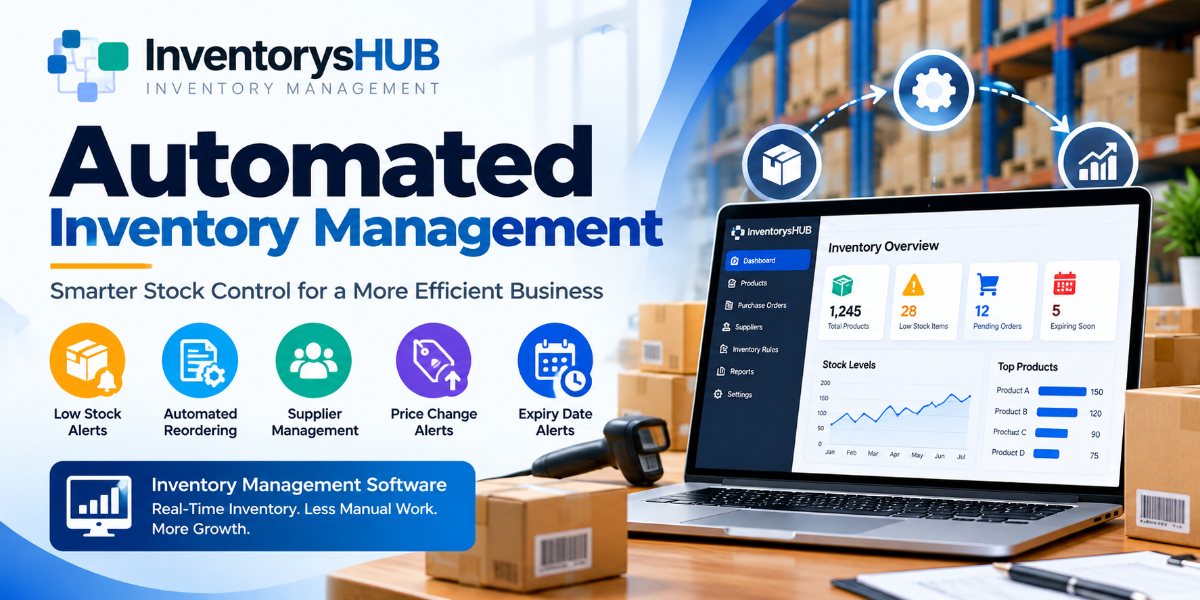
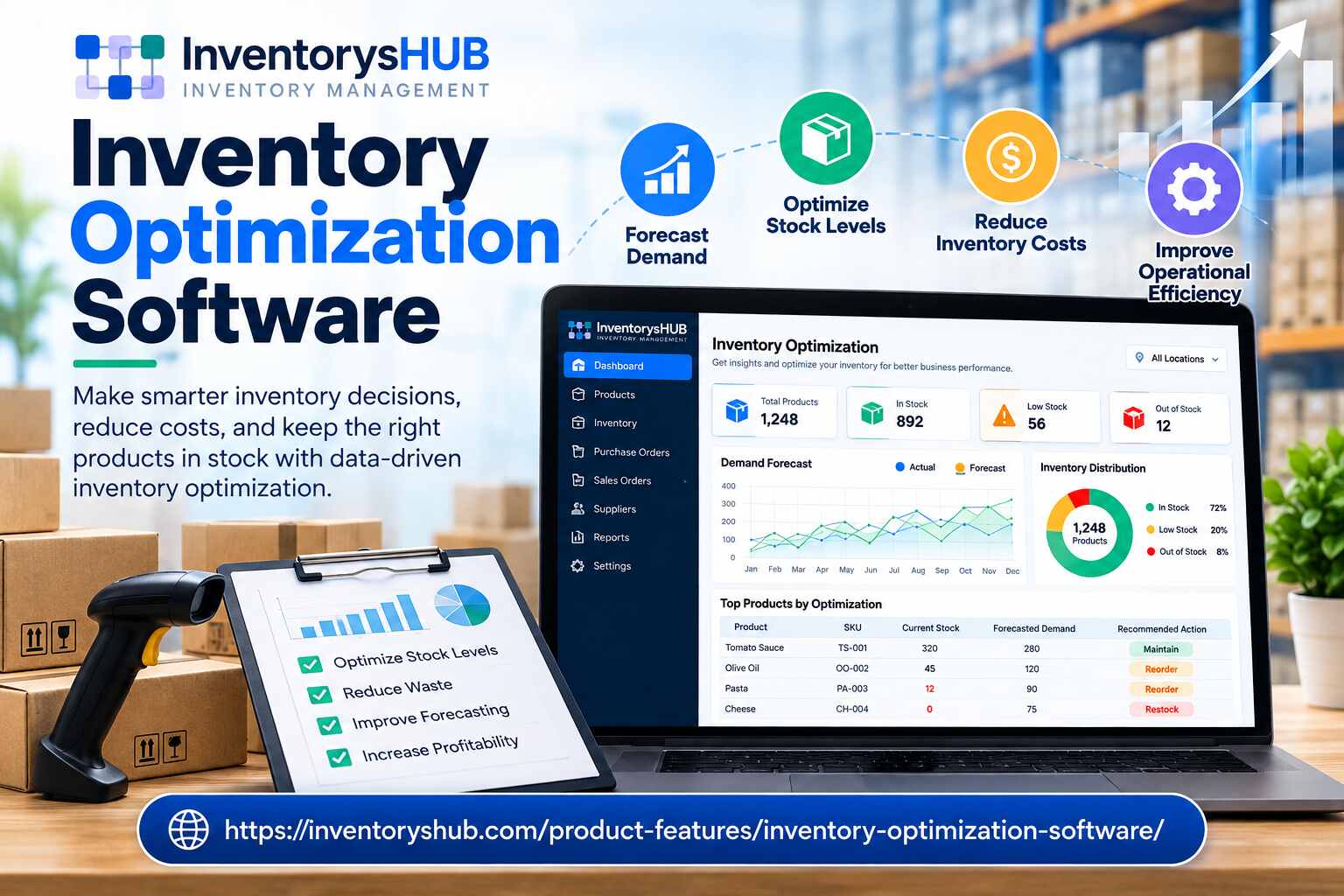
Modern software for inventory management makes it much easier to track inventory as it moves through each stage, giving businesses complete visibility from raw materials to finished products.
Learn More about Software for inventory management: https://inventoryshub.com/product-features/
What Are Raw Materials?
Raw materials are the basic resources used to manufacture products. These items have not yet entered production but are essential for creating finished goods.
Examples include:
- Steel for automotive manufacturing
- Cotton for clothing production
- Wood for furniture
- Plastic pellets for packaging
Raw materials are usually purchased from suppliers and stored until production begins. Poor management of raw materials can lead to production delays, excess purchasing, or unnecessary storage costs.
Businesses that monitor supplier deliveries and stock levels carefully can reduce waste while ensuring production never stops due to material shortages.
What Is Work in Progress (WIP)?
Work in Progress (WIP) refers to inventory that has entered production but is not yet complete. These products have consumed materials, labor, and manufacturing costs but cannot yet be sold.
For example:
- A bicycle with its frame assembled but wheels not installed
- A printed circuit board waiting for testing
- A cabinet that has been cut and painted but not packaged
WIP inventory often represents the largest hidden cost in manufacturing because products spend time waiting between production stages. The longer items remain in WIP, the more cash becomes tied up in unfinished inventory.
Tracking WIP accurately allows businesses to identify production bottlenecks and improve manufacturing efficiency.
What Are Finished Goods?
Finished goods are products that have completed the manufacturing process and are ready for customers. These items generate revenue once sold and are typically stored in warehouses or retail locations before shipment.
Examples include:
- Packaged electronics
- Ready-to-ship furniture
- Bottled beverages
- Finished clothing
Managing finished goods effectively ensures businesses maintain enough stock to meet customer demand without creating excess inventory that occupies valuable warehouse space.
The Difference Between Raw Materials, WIP, and Finished Goods
| Inventory Stage | Production Status | Ready for Sale? |
|---|---|---|
| Raw Materials | Not started | No |
| Work in Progress | In production | No |
| Finished Goods | Completed | Yes |
Think of inventory as a journey rather than a collection of products. Every finished product was once a raw material and later became work in progress before reaching the customer.
Why Separating Inventory Stages Matters
Treating all inventory the same creates reporting inaccuracies and poor purchasing decisions. Separating inventory into these stages provides several advantages.
Better Inventory Visibility
Businesses always know how much inventory is available for production versus customer sales. This reduces confusion when planning purchases or fulfilling orders.
More Accurate Cost Tracking
Each stage carries different costs. Raw materials represent purchasing expenses, WIP includes labor and manufacturing costs, while finished goods include the complete production value.
Improved Production Planning
Knowing exactly how much inventory is currently in production helps managers schedule work more efficiently and avoid unnecessary delays.
Stronger Cash Flow Management
Inventory ties up business capital. Monitoring how long products remain in WIP helps reduce excess investment in unfinished stock.
A Practical Manufacturing Example
Imagine a furniture company producing wooden dining tables.
Stage 1: Raw Materials
The business purchases oak wood, screws, varnish, and hardware from suppliers. These items remain in storage until production begins.
Stage 2: Work in Progress
Workers cut the wood, assemble the frame, sand the surface, and apply finishing coats. At this point, the tables cannot yet be sold because production is incomplete.
Stage 3: Finished Goods
Once inspected, packaged, and labeled, the tables become finished goods ready for warehouse storage and customer shipment.
Without proper inventory tracking, managers may believe they have enough stock when most inventory is actually unfinished WIP.
Common Inventory Mistakes Businesses Make
Many growing businesses encounter the same challenges:
- Mixing raw materials with finished goods in reports
- Keeping excessive work in progress inventory
- Ordering materials without checking current stock
- Losing visibility across multiple warehouse locations
- Using spreadsheets that cannot track production stages
These mistakes often lead to stock shortages, delayed orders, and higher operating costs.
How Inventory Management Software Solves These Challenges
Instead of manually updating spreadsheets, businesses can use software for inventory management to monitor inventory throughout the entire production lifecycle.
A centralized inventory system helps businesses:
- Track raw material availability
- Monitor work in progress in real time
- Manage finished goods across locations
- Receive low-stock alerts
- Improve inventory accuracy
- Generate inventory and production reports
With complete inventory visibility, teams can make faster and more informed purchasing and production decisions.
Essential Inventory Management Tools for Manufacturers
Growing businesses need more than basic stock tracking. Modern Inventory Management Tools help organizations automate repetitive inventory tasks while improving operational efficiency.
Useful tools include:
- Real-time inventory tracking
- Barcode and QR code management
- Multi-location inventory control
- Production workflow tracking
- Inventory reporting dashboards
- User roles and permissions
- Low-stock notifications
These features help businesses reduce manual work while maintaining accurate inventory records across warehouses and production facilities.
Best Practices for Managing Inventory Stages
To improve inventory performance, businesses should follow a few proven practices:
- Separate raw materials, WIP, and finished goods in every inventory report.
- Monitor how long products remain in work in progress.
- Set reorder points for critical raw materials.
- Review finished goods regularly to prevent overstocking.
- Use inventory software to automate tracking and reporting.
Small improvements at each inventory stage can significantly increase operational efficiency over time.
Final Thoughts
Raw materials, work in progress, and finished goods represent three critical stages of inventory management. Understanding the difference between them helps businesses improve inventory visibility, reduce production delays, control costs, and make better purchasing decisions.
As operations grow, manual inventory tracking becomes increasingly difficult. Investing in reliable software for inventory management and modern Inventory Management Tools allows businesses to track inventory from supplier to customer while maintaining greater accuracy and control.
If your goal is to streamline production and gain complete visibility into inventory, understanding these inventory stages is the first step toward building a more efficient business.