Aseptic Packaging Market Scope: Applications, Materials, Technologies, Sustainability and Regional Expansion
-

- September 20th, 2026
- 1,685 views
Introduction
The aseptic packaging industry covers a broad range of materials, equipment, technologies, applications, and supporting services. It plays an important role in food and beverage supply chains by combining controlled processing with specialized packaging designed to protect suitable products and support extended shelf stability.
The aseptic packaging market scope extends from raw-material suppliers and packaging manufacturers to filling-equipment providers, food processors, logistics operators, quality specialists, and technology developers.
As manufacturers respond to changing consumer preferences, sustainability expectations, and distribution requirements, the scope of the industry continues to expand.
Scope Across Food and Beverage Applications
Food and beverage products represent the largest application environment for aseptic packaging.
Dairy beverages, plant-based drinks, juices, soups, sauces, liquid foods, nutritional beverages, and specialty products can use aseptic formats where appropriate processing conditions are maintained.
The diversity of these applications creates opportunities for packaging suppliers to develop solutions tailored to different product characteristics.
Some products may require specialized barrier properties, while others may prioritize convenience, portability, or package durability.
Dairy Product Applications
Dairy beverages are an established area of application.
Shelf-stable milk and related liquid products can benefit from packaging systems designed to support extended storage under appropriate conditions.
Manufacturers can use different package sizes and closure systems to address household, institutional, and food-service requirements.
Innovation in package design can also support improved pouring, opening, resealing, and handling.
Plant-Based and Functional Beverages
The expansion of plant-based beverages is broadening the scope of aseptic packaging.
Products based on oats, soy, almonds, peas, and other ingredients are increasingly available in shelf-stable formats.
Functional and nutrition-oriented beverages also create opportunities for specialized packaging.
As brands introduce new formulations, packaging suppliers may need to adapt materials, filling systems, package sizes, and closures.
Liquid Food Applications
The industry also covers products beyond beverages.
Soups, sauces, purees, liquid meal products, and other prepared foods can require packaging that supports product protection and convenient storage.
These applications may have different viscosity, filling, and processing characteristics.
Manufacturers can therefore develop specialized systems capable of handling diverse product conditions.
Packaging Format Scope
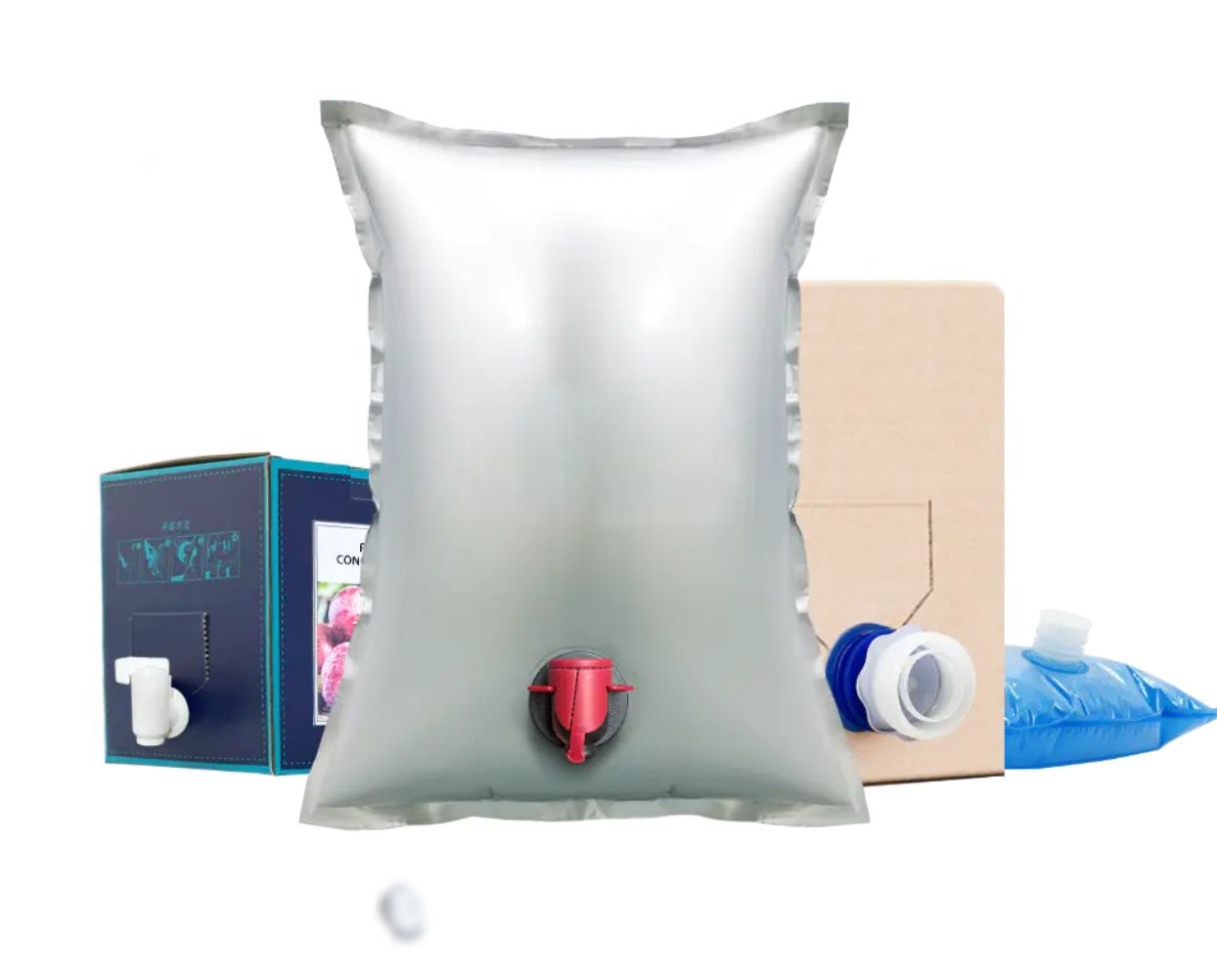
Aseptic packaging includes multiple formats.
Cartons are widely used for liquid food and beverage products because they can provide efficient storage and transportation.
Bottles, cups, pouches, and other containers can serve additional applications.
The availability of different formats allows brands to select packaging based on product characteristics, consumer convenience, distribution requirements, and production capabilities.
Material Scope
Packaging materials represent another important part of the industry.
Paperboard, polymers, aluminum, coatings, adhesives, closures, and barrier layers can contribute to package performance.
Manufacturers are continuously evaluating material structures to improve product protection while reducing unnecessary material consumption.
Material development is also increasingly connected with sustainability objectives.
Sterilization and Filling Technologies
Aseptic packaging systems rely on specialized processing technologies.
Sterilization systems help prepare packaging and production environments, while filling equipment transfers products under controlled conditions.
Sealing technologies help maintain package integrity after filling.
Modern facilities can integrate these systems with automated controls and inspection equipment.
Automation and Digital Technology
The scope of the industry increasingly includes digital manufacturing.
Sensors, connected equipment, production software, and automated inspection systems can provide real-time information about operations.
Manufacturers can monitor production rates, equipment performance, downtime, energy consumption, and quality parameters.
These capabilities can improve decision-making and support more efficient production management.
Quality Management and Traceability
Quality systems form an essential part of the industry ecosystem.
Manufacturers need effective procedures for monitoring production, equipment performance, packaging integrity, and process conditions.
Digital traceability can connect raw materials, production batches, packaging components, and finished products.
Better information management can make quality investigations and operational analysis more efficient.
Sustainability Scope
Environmental considerations are expanding the industry's scope.
Manufacturers are exploring lightweight packaging, material optimization, energy-efficient equipment, reduced production waste, and improved end-of-life options.
Sustainable development requires balancing environmental goals with product protection and packaging performance.
This creates opportunities for material developers, equipment manufacturers, recyclers, and packaging designers.
Supply-Chain Scope
Aseptic packaging depends on coordinated supply networks.
Manufacturers require reliable access to packaging materials, machinery components, closures, coatings, and other inputs.
Distribution and logistics also play important roles in ensuring timely delivery.
Supplier diversification, regional sourcing, inventory planning, and digital supply-chain monitoring can strengthen resilience.
Equipment and Machinery Services
The industry extends beyond physical packaging products.
Equipment suppliers can provide installation, commissioning, maintenance, upgrades, spare parts, and technical support.
Preventive and predictive maintenance services can help manufacturers improve equipment availability.
These services create opportunities for recurring customer relationships.
Technical and Application Support
Packaging suppliers increasingly provide technical assistance.
Customers may require help with package selection, filling compatibility, process optimization, material selection, and troubleshooting.
Application-development services can help manufacturers introduce new products while reducing technical risks.
Technical expertise can therefore become an important competitive differentiator.
Regional Scope
The industry has opportunities across developed and emerging markets.
Established food-processing regions can generate demand through equipment modernization, packaging upgrades, and sustainability initiatives.
Emerging markets may provide opportunities as food-processing infrastructure, organized retail, and distribution networks develop.
Regional strategies may need to account for local consumer preferences, infrastructure, regulations, and supply-chain conditions.
Future Scope
The industry is likely to expand through product diversification, technology development, and broader geographic adoption.
Manufacturers may increasingly invest in flexible filling systems, intelligent inspection, digital traceability, sustainable materials, and energy-efficient equipment.
New applications can emerge as food and beverage companies develop convenient, functional, and shelf-stable products.
Collaboration among packaging manufacturers, food producers, equipment developers, material suppliers, and recycling organizations can further broaden industry capabilities.
The aseptic packaging market scope encompasses a diverse ecosystem covering materials, formats, processing technologies, equipment, applications, digital systems, sustainability initiatives, supply chains, and technical services.
Dairy products, plant-based beverages, juices, soups, sauces, nutritional products, and other liquid foods provide multiple application opportunities.
At the same time, automation, material innovation, digital traceability, sustainable packaging development, and regional expansion are broadening the industry's potential.
As manufacturers seek greater efficiency, product protection, convenience, and environmental responsibility, companies with flexible technologies, strong technical capabilities, reliable supply networks, and customer-focused services can be better positioned to participate in the evolving aseptic packaging industry.
Written as -https://www.pristinemarketinsights.com/aseptic-packaging-market-report