Urinary Bag Market Value Chain Analysis: Key Activities, Stakeholders, and Value Creation
-

- Published Updated
- 4,306 views
Introduction
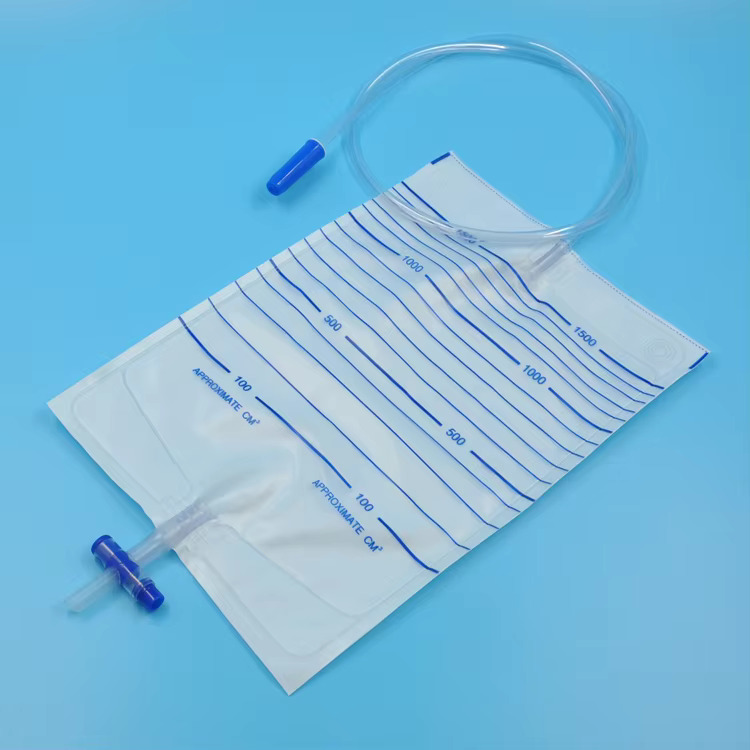
The Urinary Bag Market Value Chain Analysis covers the interconnected activities that contribute to the development, production, distribution, and delivery of urinary collection products. Urinary bags are used with urinary catheters across hospitals, clinics, nursing facilities, rehabilitation centers, and home healthcare settings. Each stage of the value chain, from material sourcing and product design to manufacturing, quality assurance, distribution, and customer support, contributes to product value and market competitiveness.
As healthcare providers increasingly seek reliable, comfortable, specialized, and cost-effective urinary management solutions, companies across the value chain are focusing on efficiency, innovation, quality, and customer needs.
Raw Material Suppliers
The value chain begins with suppliers providing materials used in urinary bags and their associated components.
Important material requirements can include:
- Flexibility
- Strength
- Durability
- Transparency
- Lightweight characteristics
- Appropriate manufacturing compatibility
Reliable suppliers help manufacturers maintain consistent production and product quality.
Component Manufacturing
The next stage involves production of components such as tubing, connectors, valves, straps, seals, and other supporting elements.
Component quality can directly influence the performance of the finished urinary collection system.
Manufacturers therefore need strong relationships with component suppliers and appropriate quality-control processes.
Product Research and Development
Research and development adds value by identifying opportunities to improve urinary collection products.
Development activities can focus on:
- Patient comfort
- Mobility
- Drainage efficiency
- Leakage reduction
- Product durability
- Ease of handling
- Specialized applications
- Digital monitoring
R&D enables companies to differentiate products and respond to changing healthcare requirements.
Product Design and Engineering
Product design converts research concepts into practical urinary collection systems.
Engineers may evaluate product dimensions, materials, tubing arrangements, connector configurations, drainage mechanisms, and attachment systems.
Ergonomic design is particularly important for products intended for ambulatory users and home healthcare applications.
Manufacturing
Manufacturing is a major value-creation stage.
Production activities can include material processing, bag formation, tubing assembly, connector integration, sealing, inspection, and packaging.
Automation and standardized processes can improve consistency and production efficiency.
Quality Assurance
Quality assurance adds value by helping ensure that products meet applicable specifications and performance requirements.
Manufacturers may monitor:
- Material properties
- Seal integrity
- Connector security
- Valve operation
- Product dimensions
- Packaging quality
- Manufacturing consistency
Strong quality systems can improve customer confidence and reduce product-related issues.
Product Packaging
Packaging protects urinary collection products during storage and transportation.
Packaging can also provide important product information and support appropriate handling.
Manufacturers are increasingly exploring packaging optimization to reduce material consumption while maintaining product protection.
Distribution and Logistics
Distribution creates value by making products available to healthcare customers and other appropriate channels.
Manufacturers may use:
- Direct institutional sales
- Medical distributors
- Specialty suppliers
- Pharmacies
- Home healthcare providers
- Online healthcare channels
Efficient logistics can reduce delivery times and improve product availability.
Healthcare Procurement
Healthcare procurement organizations play an important role in connecting manufacturers with end users.
Hospitals and healthcare networks may evaluate suppliers based on:
- Product quality
- Cost
- Availability
- Delivery reliability
- Product range
- Supplier service
Strong procurement relationships can provide manufacturers with recurring business opportunities.
Healthcare Provider Value
Healthcare professionals benefit from urinary bags that are reliable, convenient, and appropriate for specific patient requirements.
Products that simplify monitoring, drainage, positioning, and handling can contribute to improved workflow efficiency.
This makes healthcare-provider feedback an important source of information for future product development.
Patient and Caregiver Value
Patients and caregivers are important participants in the downstream value chain.
Product characteristics such as comfort, portability, ease of drainage, secure attachment, and clear measurement can influence user experience.
Home healthcare growth is making patient and caregiver usability increasingly important in product development.
After-Sales Support
Customer service and technical support can add value after product distribution.
Manufacturers and suppliers may provide:
- Product information
- Usage guidance
- Customer support
- Distributor training
- Product documentation
- Feedback channels
Strong support can help improve customer relationships and strengthen brand reputation.
Digital Value Creation
Digital technologies are creating new opportunities throughout the value chain.
Manufacturers can use digital tools for:
- Product development
- Manufacturing monitoring
- Quality control
- Inventory management
- Demand forecasting
- Customer relationship management
- Logistics tracking
Digital integration can improve visibility and efficiency across multiple stages.
Innovation as a Value Driver
Innovation can increase product value by addressing specific challenges faced by patients and healthcare providers.
Examples include:
- Improved drainage systems
- Compact wearable designs
- Advanced materials
- Anti-reflux mechanisms
- Smart monitoring
- Specialized products
Companies that successfully translate innovation into practical benefits can strengthen their market position.
Cost Optimization Across the Value Chain
Cost management is important at every stage.
Companies can identify efficiency opportunities through:
- Material optimization
- Automated manufacturing
- Supplier consolidation
- Efficient packaging
- Inventory management
- Logistics optimization
- Digital process monitoring
Improved cost efficiency can support competitive pricing while maintaining appropriate product quality.
Sustainability Across the Value Chain
Sustainability considerations are increasingly extending beyond manufacturing.
Companies may evaluate environmental impacts associated with materials, packaging, transportation, warehousing, and production.
Potential approaches include reducing unnecessary packaging, optimizing material usage, improving transportation efficiency, and reducing manufacturing waste.
Key Participants in the Value Chain
The urinary bag value chain can include:
- Raw material suppliers
- Component manufacturers
- Product developers
- Medical device manufacturers
- Quality-control teams
- Packaging providers
- Logistics companies
- Medical distributors
- Pharmacies and specialty suppliers
- Healthcare institutions
- Home healthcare providers
- Patients and caregivers
Each participant contributes to the final availability and usability of urinary collection products.
Key Urinary Bag Market Value Chain Trends
Important trends include:
- Greater supplier collaboration
- Advanced product development
- Manufacturing automation
- Stronger quality systems
- Digital supply-chain integration
- Distribution diversification
- Home healthcare expansion
- Patient-centered design
- Specialized product development
- Sustainable value-chain practices
Future Value-Creation Opportunities
Future value creation may increasingly depend on collaboration between manufacturers, technology companies, healthcare providers, distributors, and end users.
Smart monitoring technologies could create new value through digital data, while advanced materials may improve comfort and performance.
Manufacturers may also gain value by collecting user feedback and using it to guide product development.
Conclusion
The Urinary Bag Market Value Chain Analysis highlights the importance of every stage involved in bringing urinary collection products to healthcare users. Raw material suppliers, component manufacturers, product developers, medical device companies, distributors, healthcare providers, patients, and caregivers all contribute to the overall value proposition.
Product innovation, manufacturing efficiency, quality assurance, digital integration, and effective distribution are becoming increasingly important sources of value creation. At the same time, patient comfort, caregiver convenience, affordability, and product reliability remain central considerations.
Companies that strengthen collaboration throughout the value chain can improve operational efficiency, product quality, innovation capabilities, and customer relationships. As urinary care continues to evolve, an integrated and patient-focused value chain will remain essential for sustainable industry development.
Learn more:- https://www.pristinemarketinsights.com/urinary-bag-market-report