Evidence-Based Sleep Aids for Managing Insomnia and Sleep Disorders
-
- Published Updated
- 1,242 views
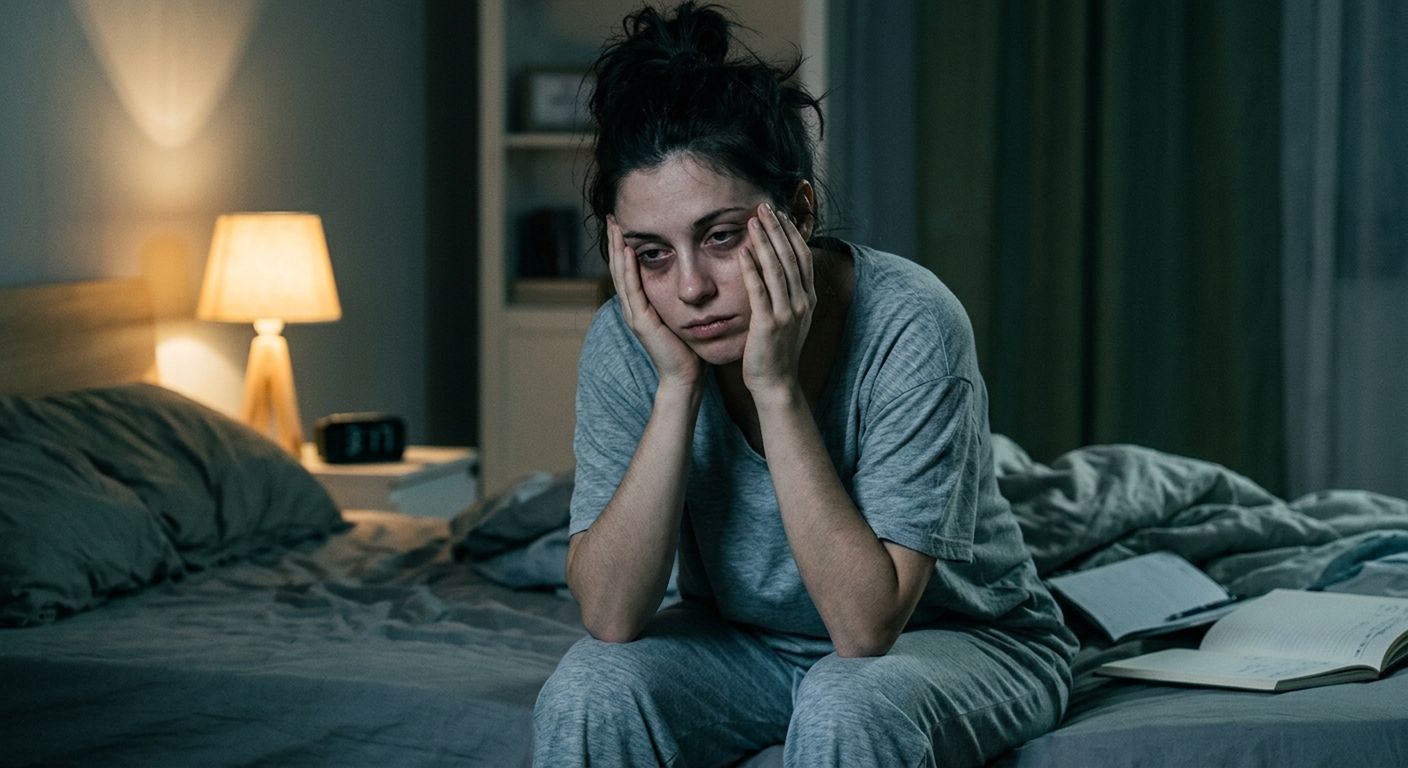
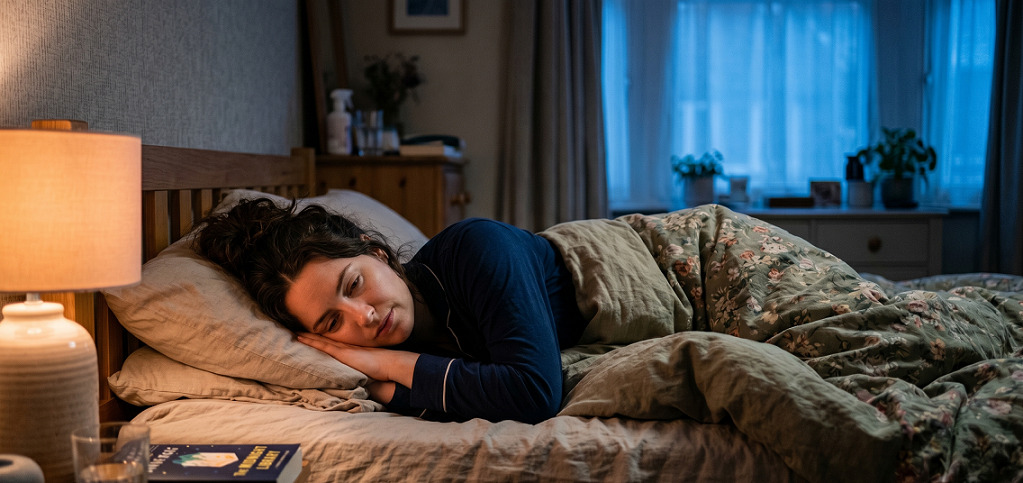
Many people look for effective sleep aids when experiencing difficulty falling asleep, staying asleep, or waking too early. This article summarizes commonly used approaches—including behavioral therapies, over-the-counter options, prescription treatments, and devices—and explains how to evaluate safety, benefits, and next steps for persistent sleep problems.
- Behavioral interventions such as cognitive behavioral therapy for insomnia (CBT-I) are first-line for many chronic sleep disorders.
- Over-the-counter and prescription sleep medications can be effective short-term but carry risks and should be used under clinical guidance.
- Simple sleep hygiene changes and devices (white noise, light therapy) can help some people improve sleep quality.
- See a qualified clinician if symptoms persist, cause daytime impairment, or suggest another sleep disorder (sleep apnea, restless legs, circadian rhythm disorders).
Understanding common sleep disorders
What is meant by a sleep disorder?
Sleep disorders include a range of conditions that disrupt normal sleep architecture or timing. Common examples are chronic insomnia, obstructive sleep apnea, restless legs syndrome, narcolepsy, and circadian rhythm disorders. Clinical criteria and diagnostic guidance are available from organizations such as the American Academy of Sleep Medicine (AASM) and national health agencies.
When to seek evaluation
Evaluation is recommended when sleep problems cause daytime impairment, safety concerns (for example, excessive sleepiness while driving), or symptoms suggest another disorder (loud snoring and gasping may indicate sleep apnea). National health agencies and sleep medicine providers can offer assessment and testing pathways.
Types of effective sleep aids
Behavioral therapies (first-line for many cases)
Cognitive behavioral therapy for insomnia (CBT-I) addresses the thoughts and behaviors that perpetuate poor sleep. Components include stimulus control, sleep restriction, relaxation training, and cognitive restructuring. Multiple randomized controlled trials and clinical guidelines support CBT-I as an effective long-term treatment for chronic insomnia.
Over-the-counter options
Common nonprescription approaches include short-term use of antihistamines (drowsiness is a side effect), melatonin supplements, and certain herbal products. Melatonin is often used for circadian rhythm issues such as jet lag or shift work; evidence supports modest benefit for some people but appropriate timing and dosing are important. OTC remedies can cause daytime drowsiness or interact with other medications.
Prescription medications
Prescription options include sedative-hypnotics, certain antidepressants with sedating properties, and melatonin receptor agonists. These can be effective for short-term symptom control but may carry risks such as dependence, next-day impairment, or complex sleep behaviors. Prescribing clinicians weigh benefits and risks and may limit duration according to clinical guidelines.
Medical devices and nonpharmacologic aids
Devices and environmental aids include continuous positive airway pressure (CPAP) for obstructive sleep apnea, oral appliances, bright light therapy for circadian disorders, and noise-masking or sound therapy for environmental sleep disruption. Light therapy and timed exposure are useful for shifting sleep timing under clinical supervision.
How to choose and use sleep aids safely
Assessing risks and benefits
Consider the cause and duration of sleep problems, coexisting medical or psychiatric conditions, current medications, and functional impairment. For chronic insomnia, behavioral therapies are generally preferred because they have durable benefits without medication-related risks. For acute situations, short-term pharmacologic treatment may be considered in parallel with behavioral approaches.
Practical tips for safer use
- Follow evidence-based sleep hygiene: consistent sleep schedule, comfortable environment, limited caffeine and alcohol near bedtime, and reduced screen time before sleep.
- Use the lowest effective dose for the shortest needed duration for medications and discuss tapering plans with a clinician.
- Report side effects, daytime sleepiness, memory issues, or unusual behaviors immediately to a healthcare provider.
Evidence and trusted resources
Guidelines and research
Clinical practice guidelines from sleep medicine societies and systematic reviews in medical journals describe efficacy and safety of treatments. For general public guidance and public health resources, see the Centers for Disease Control and Prevention (CDC) for sleep health information: CDC sleep information. Professional organizations such as the American Academy of Sleep Medicine publish diagnostic criteria and management recommendations.
Next steps if sleep problems continue
Diagnostic testing and specialist care
Persistent or complicated sleep complaints may require polysomnography (sleep study), actigraphy, or referral to a sleep medicine specialist. Identifying underlying causes such as sleep apnea, medical conditions, medication effects, or mental health disorders is important for targeted treatment.
Combining therapies
Many patients benefit from a combined approach—behavioral strategies plus short-term pharmacologic support when indicated, or device therapy for specific disorders (for example, CPAP for sleep apnea). Treatment plans should be individualized and periodically reviewed.
Conclusion
Effective sleep aids span behavioral therapies, over-the-counter products, prescription medications, and devices. Selection depends on the type of sleep disorder, severity, underlying causes, and individual risk factors. For persistent or severe problems, clinical assessment and tailored treatment by a qualified provider provide the safest pathway to improved sleep.
FAQ: What are the most effective sleep aids?
The most effective sleep aids vary by condition; for chronic insomnia, cognitive behavioral therapy for insomnia (CBT-I) is considered first-line. For sleep-disordered breathing, therapeutic devices such as CPAP are effective. Medication and supplements may help short-term or for specific diagnoses, but benefits and risks should be discussed with a clinician.
FAQ: Are over-the-counter sleep aids safe for long-term use?
OTC sleep aids are generally intended for short-term or occasional use. Long-term safety and effectiveness vary by product and individual factors. Consultation with a healthcare professional is recommended for persistent sleep problems.
FAQ: How long before seeing results from behavioral therapies?
Behavioral therapies such as CBT-I often show measurable improvements within a few weeks, with continued gains over months. Adherence to the program and guidance from a trained practitioner improve outcomes.
FAQ: Can lifestyle changes replace sleep medications?
For many people, consistent lifestyle and sleep hygiene changes plus behavioral therapy can significantly reduce or eliminate the need for medications. Individual needs differ; a clinician can help determine the appropriate strategy.