Utility-Scale Solar in India: Top Companies, Sustainable Solutions, and Deployment Checklist
-

- Published Updated
- 1,202 views
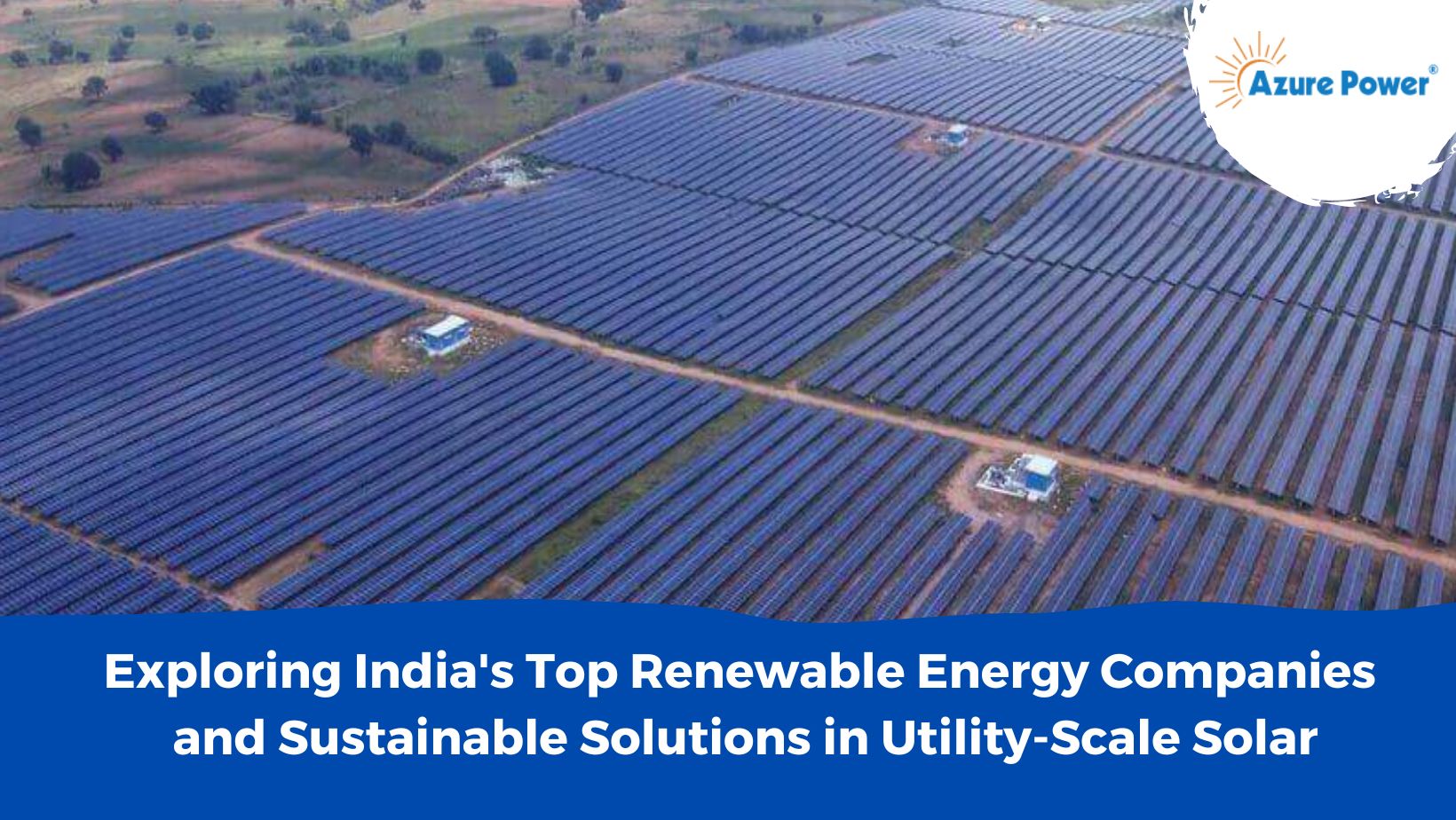
Utility-scale solar in India is a rapidly expanding segment of the power market, driven by falling module costs, large-scale auctions, and aggressive renewable targets. This guide explains who the major players are, which sustainable solutions move projects from concept to reliable generation, and how to evaluate large solar parks for long-term performance.
- Detected intent: Informational
- Primary focus: utility-scale solar in India — market, companies, sustainable practices
- Includes: SCALE checklist, practical tips, real-world 100 MW example, trade-offs, and FAQs
Utility-scale solar in India: market snapshot and key terms
Utility-scale solar refers to ground-mounted photovoltaic (PV) installations sized from several megawatts to multiple gigawatts that supply power to utilities, corporate buyers, or the grid. Key metrics include capacity (MW), capacity factor, levelized cost of energy (LCOE), and grid evacuation. Related terms: solar park, PPA (power purchase agreement), module efficiency, single-axis tracker, bifacial panels, battery storage, and grid integration services.
Top renewable energy companies in India and their roles
Many organizations participate across project development, EPC (engineering, procurement, and construction), operations and maintenance, and financing. Common roles and real-world priorities include site selection, environmental clearances, land consolidation, grid connection, and long-term asset management. Examples of company activities include: development of solar parks, captive power for industries, and integrated solar-plus-storage projects.
Categories and what to expect
- Developers: originate land, permits, and PPAs.
- EPC contractors: deliver civil works, mounting structures, module mounting, and commissioning.
- Asset managers and O&M providers: ensure generation performance and warranty management.
- Financial institutions and insurers: structure project finance and risk transfer.
Sustainable solutions for utility-scale solar projects
Sustainable solutions lower environmental impact and improve project resilience. This includes low-impact site selection, water-smart cleaning methods, biodiversity-sensitive layouts, circular procurement for modules and inverters, and end-of-life recycling planning. Grid-friendly practices such as dynamic reactive power control and integration with energy storage reduce curtailment and improve reliability.
For best-practice guidance from government and standards bodies, consult the Ministry of New and Renewable Energy and related Central Electricity Authority recommendations for grid codes and interconnection.
SCALE checklist: a framework for evaluating projects
Use the SCALE checklist to screen utility-scale solar projects quickly:
- Site suitability — land use, soil, shading, and proximity to evacuation lines.
- Capacity and configuration — MW size, single vs multi-axis trackers, module type.
- Access and approvals — permits, environmental clearances, land titles, and grid access agreements.
- Lifecycle economics — LCOE, degradation rates, warranty terms, and financing structure.
- Environmental & operational risk — dust, water availability for cleaning, biodiversity impact, and O&M planning.
How to apply SCALE (quick process)
- Screen site against S and C: eliminate sites with high shading or poor soil.
- Confirm A: verify land/title and connection queue with the local utility.
- Model L: run yield and LCOE scenarios for module options and trackers.
- Assess E: secure mitigation measures for environmental sensitivities and a maintenance plan.
Real-world example: a 100 MW Rajasthan solar park scenario
Scenario: A developer proposes a 100 MW PV park using bifacial modules and single-axis trackers on 450 acres in Rajasthan. Yield modeling estimates a 22% capacity factor, annual generation ~192 GWh. Key actions: confirm land clearance and evacuation capacity, opt for trackers to boost yield by ~10% vs fixed tilt, plan for waterless or low-water cleaning to conserve scarce resources, and secure a 25-year O&M contract with performance guarantees.
Practical tips for buyers, developers, and financiers
- Include degradation and soiling assumptions in financial models—assume 0.5–0.8% annual module degradation and higher soiling losses in dusty regions unless trackers and cleaning are optimized.
- Negotiate long-term O&M SLAs with clear performance metrics and bonus/penalty clauses tied to CUF (capacity utilization factor).
- Design for grid compliance: reactive power capability, LVRT/ILD, and telemetry for system operators.
- Plan end-of-life: track warranty transferability and recycling pathways for modules and inverters.
Common mistakes and trade-offs to consider
- Underestimating grid connection timelines—delays in evacuation can idle assets and erode returns.
- Choosing the cheapest modules without lifecycle cost analysis—lower upfront cost may increase LCOE due to higher degradation or warranty risk.
- Overlooking water use in arid zones—cleaning strategies must balance yield and water availability.
- Tracker vs fixed tilt trade-off: trackers increase yield but add maintenance complexity and higher capex.
Core cluster questions for internal linking and content expansion
- How to evaluate land suitability for large solar parks?
- What financing structures work best for utility-scale solar projects?
- How do module choices affect LCOE and long-term performance?
- What are best practices for solar park O&M in dusty climates?
- How does grid integration and storage improve solar reliability?
Frequently asked questions
How is utility-scale solar in India evolving?
Expansion is driven by competitive auctions, falling technology costs, and government targets. Interconnection rules, storage adoption, and improved module yields are shaping new projects. Regulatory guidance and auction formats remain important variables for developers and buyers.
Which factors determine the LCOE of a utility-scale solar project?
LCOE depends on capital cost, financing terms, capacity factor (influenced by site irradiance and technology like trackers), operational expenses, degradation, and curtailment risk. Modeling should include conservative assumptions for each item.
What sustainable practices should developers prioritize?
Priority actions include low-impact site selection, water-efficient cleaning, biodiversity mitigation, recycling planning, and selecting suppliers with clear warranty and take-back policies.
How to choose among top renewable energy companies India for large projects?
Assess capabilities across development, EPC delivery, and long-term O&M. Review track records for grid integration, financial strength, warranty enforcement, and adherence to environmental and social safeguards.
What common mistakes increase project risk?
Major mistakes include underestimating grid connection times, ignoring soiling and maintenance needs, choosing vendors without warranty performance history, and failing to plan for module end-of-life. Use the SCALE checklist to reduce these risks.