Why Fort Worth Homeowners Install Standby Generators: Risks, Benefits & Checklist
-

- March 03rd, 2026
- 607 views

FREE SEO Topical Map Generator: Find Your Next Content Ideas
The decision to install a standby generator Fort Worth property owners face is driven by safety, continuity of critical systems, and regional weather and grid risks. This guide explains the practical reasons, installation checklist, trade-offs, and real-world examples so homeowners can evaluate whether emergency power is needed for their property.
- Primary reasons: storm outages, medical needs, business continuity, and property protection.
- Key considerations: fuel type (natural gas vs. propane), transfer switch, permit and code compliance, and load sizing.
- Use the S.A.F.E. Install Checklist for site assessment, load calculation, fuel planning, and electrical integration.
Detected intent: Informational
Top reasons to install a standby generator Fort Worth homeowners face
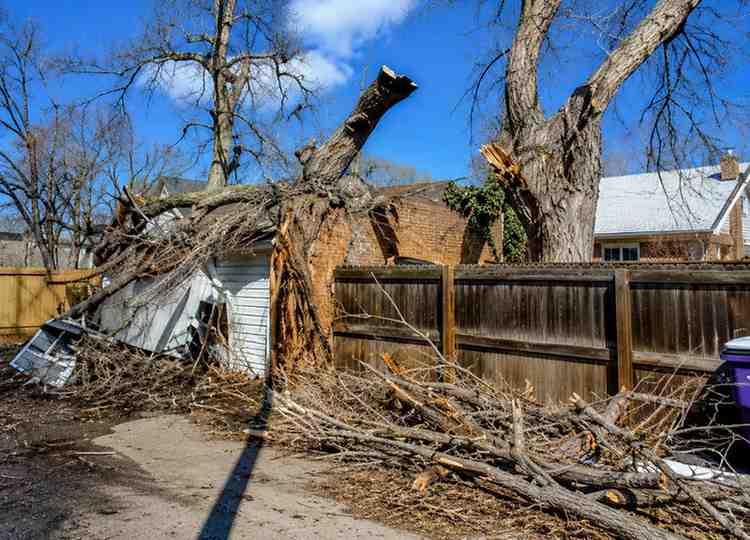
Fort Worth sits in a region with thunderstorms, occasional ice events, and a large urban-suburban service area where grid interruptions can last hours to days. A standby generator provides automatic, whole-house backup power so heating, cooling, refrigeration, medical devices, sump pumps, and security systems remain operational during an outage.
How standby generators protect health, safety, and property
Installing an automatic unit reduces risk in several concrete ways:
- Medical resilience: Keeps oxygen concentrators, CPAP units, and refrigerated medications powered without manual starting.
- Mitigates property damage: Runs sump pumps, HVAC systems, and prevents freeze damage to plumbing.
- Security and communications: Maintains alarm systems, Wi‑Fi routers, and lighting for neighborhood safety and remote monitoring.
- Business continuity: For home-based businesses, continuous power avoids revenue loss and data corruption.
Assessing local context: weather, grid, and regulation
Fort Worth homeowners should consider local outage frequency, the utility's storm response history, and the type of fuel infrastructure available at the property. For authoritative emergency planning guidance, consult FEMA's preparedness resources: FEMA. Also check city permitting requirements and the National Electrical Code for transfer switch installation and interconnection rules.
S.A.F.E. Install Checklist (named framework)
Use the S.A.F.E. Install Checklist to evaluate readiness for whole-house backup generator installation:
- Site assessment — Identify location, sound restrictions, and clearances from doors/windows.
- Assess load — Prioritize circuits: essential loads (medical, refrigeration), comfort loads (HVAC), and optional loads.
- Fuel planning — Choose between natural gas, propane, or diesel. Confirm supply reliability and refueling logistics.
- Electrical & permits — Select a transfer switch, coordinate with a licensed electrician, and secure city permits.
Choosing capacity: whole-house vs. essential circuits
Decide between whole-house backup or a partial setup that only covers essential circuits. Whole-house backup generator installation delivers seamless power to everything, but raises cost and fuel consumption. An essential-circuit setup is cheaper and quicker to install but requires careful selection of circuits (refrigerator, select outlets, HVAC/heating if needed).
Common mistakes and trade-offs
- Undersizing the generator — results in overloaded circuits and unreliable performance.
- Ignoring fuel logistics — diesel or portable units may require manual refueling during prolonged outages; natural gas offers continuous supply if the pipeline remains operational.
- Skipping permit and inspection — leads to code violations and possible safety risks with transfer switches and backfeed concerns.
- Over-prioritizing cost — cheaper units can lead to higher maintenance and shorter service life.
Practical example: a Fort Worth household scenario
Scenario: A single-family home with two adults, one elderly parent on a CPAP machine, and a finished basement with a sump pump. Frequent summer storms cause multi-hour outages. A 12–18 kW natural gas standby generator tied to an automatic transfer switch provides continuous power to the CPAP, refrigerator, sump pump, and basic HVAC. Outcome: reduced health risk, prevented basement flooding, and avoided food spoilage during three storm events in one year.
Practical tips for successful installation and operation
- Get a professional load calculation from a licensed electrician to match generator size to needs.
- Prefer automatic transfer switches to prevent manual starts and to avoid dangerous backfeed into the grid.
- Plan for maintenance: schedule annual inspections, oil changes, and regular exercise cycles per manufacturer guidance.
- Document fuel options and local refueling resources if using propane or diesel; natural gas systems require pressure checks and pipeline reliability verification.
Emergency power for Fort Worth homes: costs and incentives
Installation cost depends on capacity, fuel type, and site work. Whole-house systems commonly range higher than essential-only setups. Investigate local utility or municipal incentive programs, and factor in long-term value: avoided losses from spoilage, medical risks, and property damage. Financing or home improvement loans sometimes apply.
Core cluster questions for related content
- How to size a standby generator for a typical Fort Worth home?
- What fuel type is most reliable for backup power in North Texas?
- What permits and inspections are required for generator installation in Fort Worth?
- How much does whole-house backup generator installation cost in urban areas?
- How to maintain a standby generator to ensure operation during severe storms?
Whole-house backup generator installation: timing and contractor selection
Schedule installation during the off-peak season when contractors have more availability. Choose licensed HVAC/electrical contractors with generator-specific experience and good local references. Verify insurance, warranty, and post-installation service plans before signing a contract.
Final decision checklist
- Confirm critical loads and medical needs.
- Secure site, permit, and utility coordination.
- Select fuel type with reliable supply.
- Arrange maintenance and emergency refueling plan if required.
Is a standby generator Fort Worth homeowners install necessary for safety?
For households with medical equipment, sump pumps, or essential business operations, a standby generator can be a necessary safety and continuity measure. For other homes, benefit depends on outage frequency, tolerance for service interruption, and budget.
How long will a standby generator run during an outage?
Run time depends on fuel type and supply. Natural gas units can run indefinitely as long as the pipeline is intact; propane/diesel run time depends on tank size and availability of refueling.
What maintenance does a standby generator require?
Routine maintenance includes oil and filter changes, battery checks, exercise runs, and inspection of fuel and electrical connections. Annual service by a qualified technician is recommended.
Can a standby generator power a whole house or only essential circuits?
Both options exist. Whole-house systems require larger capacity and higher upfront cost but provide seamless coverage. Essential-circuit setups are less expensive and simpler but limit powered devices to selected circuits.
What permits are needed for generator installation in Fort Worth?
Local building and electrical permits are typically required, and installation must meet the National Electrical Code and local ordinances. Consult the city permitting office and a licensed electrician before beginning work.
For homeowners evaluating emergency power, the S.A.F.E. Install Checklist plus a professional evaluation creates a practical path to deciding whether a standby generator is right for a particular Fort Worth property.
Related Posts