The Importance of Formwork, Steel Wire Rod, and Galvanized Pipes in Modern Construction
-

- Published Updated
- 7,728 views
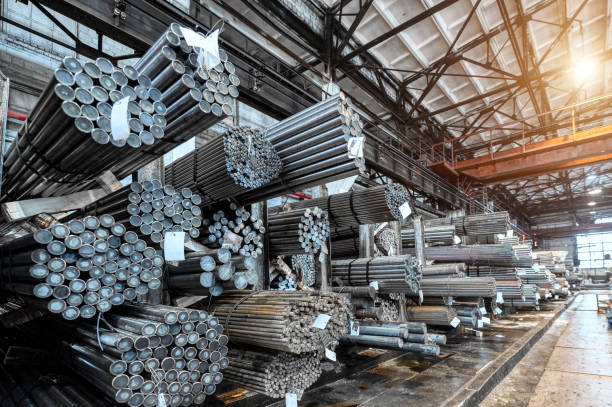
The construction industry serves as the backbone of economic development, supporting residential, commercial, industrial, and infrastructure projects across the globe. As cities expand and new infrastructure projects emerge, the demand for durable, efficient, and cost-effective building materials continues to grow. Among the most important components used in modern construction are Formwork, steel wire rod, and galvanized pipes.
These materials contribute significantly to the strength, safety, and longevity of structures. Whether it is constructing a high-rise building, manufacturing industrial equipment, developing transportation networks, or creating water distribution systems, these products play a critical role in ensuring project success.
This article explores the applications, benefits, manufacturing processes, and future importance of formwork, steel wire rods, and galvanized pipes in the construction and industrial sectors.
Understanding Formwork in Construction
What is Formwork?
Types of Formwork
- Timber Formwork
- Steel Formwork
- Aluminum Formwork
- Plastic Formwork
- Modular Formwork Systems
Advantages of Formwork
Feature |
Benefit |
|---|---|
Structural Support |
Maintains concrete shape during curing |
Reusability |
Reduces project costs |
Accuracy |
Ensures precise dimensions |
Faster Construction |
Accelerates project timelines |
Improved Safety |
Provides stable work platforms |
Applications of Formwork
- Residential buildings
- Commercial complexes
- Industrial plants
- Bridges and flyovers
- Dams and tunnels
- Airports and railway stations
The Growing Importance of Steel Wire Rod
What is Steel Wire Rod?
Manufacturing Process of Steel Wire Rod
- Melting and refining steel.
- Casting billets.
- Hot rolling billets into wire rods.
- Controlled cooling.
- Coiling and packaging.
Applications of Steel Wire Rod
- Reinforcement wire
- Wire mesh
- Fasteners and bolts
- Springs
- Welding electrodes
- Nails and screws
- Automotive components
- Fencing products
Benefits of Steel Wire Rod
High Strength
Excellent Ductility
Consistent Quality
Cost EfficiencyConstruction Industry ██████████████ 40%Automotive Industry █████████ 25%Engineering Sector ███████ 20%Manufacturing Industry ████ 10%Others ██ 5%
Galvanized Pipes – A Durable Solution for Infrastructure
What are Galvanized Pipes?
Galvanization Process
- Cleaning the steel surface.
- Removing impurities and rust.
- Immersing the steel pipe in molten zinc.
- Cooling and inspection.
Applications of Galvanized Pipes
- Water distribution systems
- Agricultural irrigation networks
- Structural construction frameworks
- Industrial pipelines
- Outdoor fencing systems
- Telecommunication towers
- Utility infrastructure projects
Advantages of Galvanized Pipes
Feature |
Benefit |
Corrosion Resistance |
Longer operational lifespan |
Durability |
Suitable for harsh environments |
Strength |
Excellent structural performance |
Low Maintenance |
Reduced repair costs |
Cost-Effective |
Long-term value for projects |
Why Industries Prefer Galvanized Pipes
How These Materials Work Together in Construction
Example: Commercial Building Construction
- Formwork is used to shape concrete columns, slabs, and beams.
- Steel wire rod products reinforce concrete and support structural integrity.
- Galvanized pipes are installed for plumbing, drainage, and utility systems.
Sustainability and Modern Construction
Sustainable Benefits
Recyclability
Reduced Waste
Long Service Life
Resource Efficiency
Future Trends in Construction Materials
Emerging Trends
- Advanced modular formwork systems
- High-strength steel wire rod production
- Smart construction technologies
- Environment-friendly galvanization methods
- Digital construction planning
- Automated manufacturing systems
- Green steel production initiatives
Conclusion
Formwork is a temporary or permanent mold into which concrete is poured and held in place until it hardens and achieves sufficient strength. It serves as a support structure that determines the shape, dimensions, and finish of concrete elements.
Without proper formwork, it would be impossible to construct stable concrete structures such as walls, columns, beams, slabs, bridges, and foundations.
Several types of formwork are used depending on project requirements:
Among these, steel formwork is highly preferred for large-scale projects because of its durability, reusability, and precision.
Formwork systems are widely used in:
Modern modular formwork systems have revolutionized construction by reducing labor requirements and increasing productivity. Contractors can now complete projects faster while maintaining high-quality construction standards.
A steel wire rod is a semi-finished steel product manufactured through hot rolling processes. It is supplied in coiled form and serves as a raw material for producing a wide range of finished steel products.
Steel wire rods are essential for numerous industries, including construction, automotive manufacturing, engineering, energy, and industrial fabrication.
The production process typically involves:
This process ensures that wire rods possess the required mechanical properties, dimensional accuracy, and surface quality.
Steel wire rods are used in the manufacture of:
Because of their versatility, steel wire rods are among the most widely consumed steel products worldwide.
Steel wire rods provide excellent tensile strength, making them suitable for demanding industrial applications.
They can be easily drawn into thinner wires without compromising strength.
Modern manufacturing techniques ensure uniform properties throughout production batches.
Steel wire rods offer an economical solution for large-scale manufacturing and construction projects.
Industrial Usage of Steel Wire Rod
As urbanization increases worldwide, demand for steel wire rods is expected to continue growing due to their extensive use in reinforcement and fabrication applications.
Galvanized pipes are steel pipes coated with a layer of zinc through a galvanization process. The zinc coating protects the underlying steel from corrosion, rust, and environmental damage.
These pipes are widely used in projects that require long-lasting performance and exposure to outdoor conditions.
The most common method is hot-dip galvanization, which involves:
The resulting protective layer significantly extends the service life of the pipe.
Galvanized pipes are commonly used in:
Their durability makes them ideal for environments exposed to moisture, chemicals, and varying weather conditions.
The primary advantage of galvanized pipes is their ability to resist rust and corrosion. This minimizes maintenance requirements and lowers replacement costs over time.
In infrastructure projects where reliability is critical, galvanized pipes provide a dependable solution for transporting water, supporting structures, and protecting utility systems.
Although formwork, steel wire rods, and galvanized pipes serve different purposes, they often work together within the same construction project.
Together, these materials contribute to the strength, functionality, and longevity of modern buildings.
The construction industry is increasingly focused on sustainability and environmental responsibility. Steel products play an important role in supporting green building initiatives.
Steel is one of the most recyclable materials in the world. Formwork components, wire rods, and galvanized pipes can often be recycled and reused.
Modular formwork systems reduce material wastage during construction.
Galvanized pipes offer decades of reliable performance, reducing the need for frequent replacements.
Modern steel manufacturing technologies improve energy efficiency and reduce carbon emissions.
These factors make steel-based construction materials valuable for sustainable infrastructure development.
The future of construction will be shaped by innovation, automation, and sustainability.
Manufacturers are investing heavily in research and development to create stronger, lighter, and more sustainable construction materials that meet evolving industry requirements.
Formwork, steel wire rod, and galvanized pipes are essential elements of modern construction and infrastructure development. Formwork enables the creation of precise concrete structures, steel wire rods provide critical reinforcement and manufacturing capabilities, and galvanized pipes deliver durable, corrosion-resistant solutions for utilities and structural applications.
As construction projects become larger and more complex, the importance of high-quality materials continues to grow. These products not only support structural integrity and operational efficiency but also contribute to sustainable building practices and long-term economic development.
With ongoing advancements in steel manufacturing and construction technology, formwork systems, steel wire rods, and galvanized pipes will remain at the forefront of modern infrastructure, helping build safer, stronger, and more resilient communities for generations to come.