Georgette Suit Design: Elegant Draping, Care, and Styling Tips
-

- March 05th, 2026
- 1,240 views

Get a free topical map and start building content authority today.
Introduction
Georgette suit design combines lightweight drape, subtle texture, and versatile tailoring to create a durable and flattering garment. The term georgette suit design refers to styles made primarily from georgette fabric—an open-weave, crepe-textured textile often used for suits, kurta sets, and other tailored ensembles. This article outlines the fabric's properties, common construction techniques, styling options, and maintenance recommendations for long-term wear.
- Georgette is a lightweight, crepe-textured fabric that suits flowing and structured designs.
- Key design choices include lining, seam finishing, embroidery, and pleating to balance drape and shape.
- Care involves gentle washing, low-heat drying, and appropriate storage to preserve texture and color.
- Considerations for purchase: fiber content, weave density, weight (gsm), and intended use.
What Is Georgette Fabric?
Georgette is a lightweight, plain-woven fabric historically made from silk but now commonly produced with synthetic fibers such as polyester or blended yarns. It is characterized by a slightly grainy, crepe-like surface created by alternating S- and Z-twist yarns during weaving. The resulting texture gives georgette good drape, a soft hand, and a muted sheen that suits both casual and formal suits.
Georgette suit design: materials and construction
Fiber choices and their effects
Silk georgette offers a natural luster, better breathability, and a softer feel, while polyester or viscose georgette tends to be more affordable and easier to care for. Blended georgettes can combine the advantages of both: improved strength and reduced creasing with some natural fiber comfort. When selecting fabric for a suit, consider the fiber content relative to climate, intended frequency of wear, and maintenance preferences.
Weave, weight, and lining
Weave density and fabric weight determine how a georgette suit hangs. Lightweight georgette (lower gsm) favors flowing silhouettes and layered looks, whereas midweight georgette can support structured elements like tailored sleeves or straight trousers. Many georgette suits include a lining—typically lightweight cotton, chiffon, or a synthetic lining—to reduce transparency and add body. Unlined options maximize breathability but require careful patterning to avoid cling.
Patterning and sewing techniques
Designers often rely on French seams, narrow rolled hems, and fine interfacing to maintain neat edges without adding bulk. Staystitching around necklines and armholes reduces distortion during construction. For decorative work, surface embroidery, beadwork, and applique can be applied using stabilizers to protect the fabric's open weave. Tailoring details—darts, princess seams, and soft shoulder pads—help create shape while respecting the fabric's drape.
Design elements and styling
Silhouettes and occasions
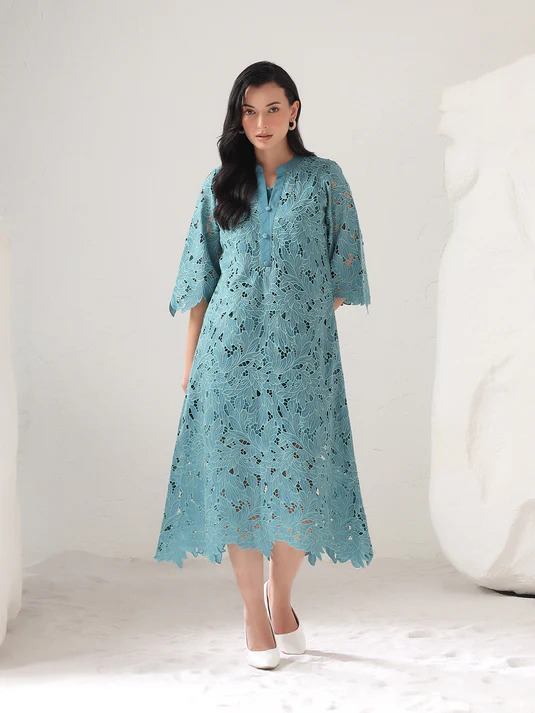
Georgette suits work across a range of silhouettes: straight-leg trousers with long tunics for everyday wear, Anarkali-style long suits for festive occasions, and cropped jackets with tapered pants for modern, office-appropriate looks. The fabric's fluidity complements pleating, layered flounces, and asymmetric hems, while subtle ornamentation such as tonal embroidery or beadwork elevates a piece for formal events.
Color, prints, and surface treatments
Georgette accepts dyes well, offering vivid solids and delicate prints. Digital prints, block prints, and hand-painted motifs appear frequently on georgette suits. Surface finishes—such as sequin overlays or metallic thread—should be balanced with the fabric's lightweight structure to prevent sagging or undue weight on seams.
Care, repair, and longevity
Washing and drying
Check the garment label for fiber-specific care. Many georgette suits recommend gentle hand wash or a delicate machine cycle in cold water with mild detergent. Avoid wringing; instead, press water out gently and lay flat to dry or hang on a padded hanger away from direct sunlight to prevent fading. Synthetic georgette may tolerate low-temperature machine washing better than silk varieties.
Ironing and steaming
Use a low-heat iron with a pressing cloth to avoid flattening the crepe texture. A garment steamer is often preferable because it relaxes wrinkles without contacting the fabric directly. When ironing is necessary, test on an inconspicuous area first and consider using the iron's silk setting for silk georgette.
Repair and tailoring considerations
Small snags or pulls can often be smoothed toward the weave using a needle or by professional repair. For alterations, choose a tailor experienced with lightweight, open-weave fabrics; they will know to use appropriate seam finishes and minimal clip notches to preserve integrity.
Choosing a georgette suit
Fit, fabric tests, and practical tips
Inspect the suit for consistent weave, secure seam finishes, and even dyeing. Perform a light stretch and recovery test on the hem to check fabric stability. Consider the garment's purpose—daily wear benefits from blended georgette for durability, while silk georgette suits are better reserved for occasional wear where luxe appearance matters more than ease of care.
For those seeking formal education or deeper technical guidance on textile properties and fashion design, institutions such as the Fashion Institute of Technology offer resources on fabric science and construction techniques: Fashion Institute of Technology.
Environmental and ethical considerations
Material selection affects environmental impact. Natural silk production has a distinct lifecycle and associated resource use; synthetic georgettes can involve petrochemical inputs. Recycled polyester georgette and responsible sourcing practices reduce environmental footprint. Look for transparency in supply chains and certifications when sustainability is a priority. Regulatory bodies and standards organizations—such as national textile standards or the International Organization for Standardization (ISO)—provide guidelines that can inform purchasing decisions.
Conclusion
Georgette suit design offers a blend of graceful drape, textural interest, and adaptability across formal and casual wardrobes. Understanding fabric content, construction techniques, and care requirements helps preserve appearance and extend garment life. Thoughtful styling and professional tailoring allow georgette suits to remain a versatile and timeless fashion statement.
Frequently Asked Questions
What is georgette suit design and how does it differ from chiffon or crepe?
Georgette suit design typically uses a crepe-twist plain weave that produces a slightly grainy texture and good drape. Compared with chiffon, georgette is slightly heavier and less sheer, while traditional crepe can vary widely in texture and weight; georgette occupies a middle ground with its characteristic twist and muted sheen.
How should a georgette suit be washed?
Follow the garment's care label. When safe, hand wash or use a delicate machine cycle in cold water with mild detergent, avoid wringing, and dry flat or hang to dry away from direct sunlight. Use steaming for wrinkle removal instead of high-heat ironing.
Are georgette suits suitable for warm climates?
Lightweight georgette, especially blends with natural fibers, can be comfortable in warm climates due to good air circulation and drape. Lined designs may reduce breathability; choose lighter linings or unlined styles for hotter conditions.
Can a georgette suit be tailored for a more structured look?
Yes. With careful patterning, light interfacing, and internal support such as discreet pads or linings, georgette suits can be tailored to achieve a more structured silhouette while maintaining the fabric's natural drape.