The Rise of HRC Steel, ERW Tubes, and Green Steel in Modern Infrastructure
-

- Published Updated
- 7,904 views
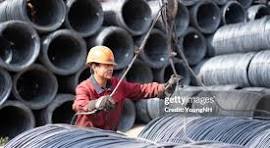
The global steel industry is undergoing a massive transformation driven by technological innovation, infrastructure growth, and environmental responsibility. Steel remains one of the most important materials used in construction, transportation, engineering, manufacturing, and energy production. Among the most widely used and rapidly evolving steel products are HRC Steel, ERW Tubes, and Green Steel.
These materials are playing a crucial role in shaping modern economies and sustainable industrial development. From skyscrapers and highways to renewable energy projects and automotive manufacturing, steel products continue to support global progress.
As industries increasingly focus on sustainability and operational efficiency, manufacturers are investing in advanced production methods that reduce environmental impact while improving product quality and durability.
Understanding HRC Steel
What is HRC Steel?
HRC Steel, or Hot Rolled Coil Steel, is manufactured through a hot rolling process where steel slabs are heated at extremely high temperatures and passed through rollers to achieve the desired thickness and shape.
The hot rolling process enhances flexibility and makes the steel easier to fabricate, weld, and process for industrial applications. HRC Steel is available in coils, sheets, and plates and serves as a fundamental raw material across multiple sectors.
Key Characteristics of HRC Steel
| Property | Industrial Advantage |
|---|---|
| High Strength | Suitable for heavy-duty applications |
| Excellent Weldability | Simplifies fabrication |
| Flexibility | Easy to shape and bend |
| Cost Efficiency | Lower production costs |
| Durability | Long-term structural performance |
Major Applications of HRC Steel
1. Construction Industry
HRC Steel is extensively used in commercial buildings, industrial structures, bridges, airports, railway stations, and high-rise towers. Its strength and load-bearing capacity make it ideal for modern infrastructure projects.
2. Automotive Sector
Automobile manufacturers use HRC Steel in chassis, wheels, frames, suspension components, and structural assemblies because of its durability and weldability.
3. Heavy Engineering
Industrial machinery, pressure vessels, storage tanks, cranes, and equipment frames are often manufactured using HRC Steel.
4. Shipbuilding and Railways
HRC Steel plays a critical role in shipbuilding and railway infrastructure due to its high tensile strength and reliability under demanding conditions.
Market Demand for HRC Steel
Global urbanization and industrialization are significantly increasing the demand for HRC Steel. Rapid infrastructure development in developing economies has accelerated investments in roads, transportation systems, industrial corridors, and smart city projects.
HRC Steel Consumption by Sector
| Industry | Estimated Usage |
|---|---|
| Construction | 40% |
| Automotive | 25% |
| Industrial Equipment | 15% |
| Railways & Transportation | 12% |
| Energy Sector | 8% |
The growing focus on durable and cost-effective infrastructure ensures strong long-term demand for HRC Steel.
What are ERW Tubes?
Understanding Electric Resistance Welded Tubes
ERW Tubes (Electric Resistance Welded Tubes) are steel tubes manufactured by rolling metal sheets into tubular forms and welding the edges using electric resistance technology.
Unlike conventional welding processes, ERW technology produces precise, smooth, and high-strength welded joints without adding filler materials.
ERW Tubes are widely used in industrial applications because of their dimensional accuracy, superior finish, and excellent structural performance.
Advantages of ERW Tubes
| Feature | Benefit |
|---|---|
| Smooth Surface Finish | Easier installation |
| High Precision | Better dimensional consistency |
| Strong Weld Quality | Improved durability |
| Corrosion Resistance | Longer service life |
| Cost-Effective Production | Lower operational expenses |
Common Applications of ERW Tubes
1. Water Transportation Systems
Municipal water supply projects and irrigation systems depend heavily on ERW Tubes because of their strength and corrosion resistance.
2. Construction and Scaffolding
ERW Tubes are widely used in scaffolding systems, steel frameworks, fencing, and support structures for commercial and residential projects.
3. Oil and Gas Industry
These tubes are used for transporting oil, gas, and industrial fluids under varying pressure conditions.
4. Automotive Components
Vehicle manufacturers use ERW Tubes in exhaust systems, structural supports, and mechanical components.
5. Furniture and Fabrication
ERW Tubes are also used in furniture manufacturing, storage racks, gates, and decorative structures.
Green Steel: The Future of Sustainable Manufacturing
What is Green Steel?
Traditional steel manufacturing is energy-intensive and contributes significantly to global carbon emissions. To address climate challenges, manufacturers are now investing in Green Steel, an environmentally sustainable approach to steel production.
Green Steel refers to steel produced using low-carbon or carbon-neutral technologies, renewable energy sources, and recycled materials.
Technologies Driving Green Steel Production
Hydrogen-Based Steelmaking
Hydrogen replaces coal in the steelmaking process, dramatically reducing carbon emissions.
Electric Arc Furnaces
Electric arc furnaces use recycled steel scrap and renewable electricity to produce sustainable steel products.
Carbon Capture Technology
Advanced carbon capture systems help reduce greenhouse gas emissions during manufacturing.
Renewable Energy Integration
Many steel plants are integrating solar and wind energy to power manufacturing operations sustainably.
Benefits of Green Steel
| Sustainability Benefit | Impact |
|---|---|
| Reduced Carbon Emissions | Supports climate goals |
| Cleaner Production | Lower environmental pollution |
| Resource Efficiency | Encourages recycling |
| Regulatory Compliance | Meets global standards |
| Sustainable Infrastructure | Supports green construction |
Green Steel is becoming increasingly important for companies committed to ESG (Environmental, Social, and Governance) goals.
Use Cases of Green Steel in Modern Industries
Renewable Energy Infrastructure
Green Steel is widely used in wind turbine towers, solar panel mounting systems, and hydroelectric projects.
Sustainable Buildings
Architects and developers are increasingly selecting Green Steel for eco-friendly commercial buildings and green-certified construction projects.
Electric Vehicle Manufacturing
The automotive industry is adopting Green Steel to reduce the environmental footprint of electric vehicle production.
Public Infrastructure
Governments are promoting the use of Green Steel in transportation networks, bridges, airports, and urban development projects.
The Integration of HRC Steel, ERW Tubes, and Green Steel
The future of the steel industry lies in combining high-performance steel products with environmentally sustainable manufacturing practices.
Manufacturers are now producing HRC Steel and ERW Tubes using Green Steel technologies to reduce emissions while maintaining quality and performance standards.
This integration provides:
Sustainable industrial growth
Reduced environmental impact
Improved product efficiency
Better lifecycle performance
Enhanced global competitiveness
Emerging Trends in the Steel Industry
Smart Manufacturing
Automation, artificial intelligence, and IoT technologies are transforming steel production with improved efficiency and quality control.
Circular Economy Practices
Steel recycling is becoming a major component of sustainable manufacturing, reducing waste and conserving natural resources.
Increased Demand for Sustainable Materials
Governments, industries, and consumers are increasingly prioritizing environmentally responsible materials for infrastructure and manufacturing.
Conclusion
HRC Steel, ERW Tubes, and Green Steel are reshaping the future of global infrastructure and industrial manufacturing. HRC Steel provides the strength and versatility required for modern construction, while ERW Tubes deliver precision and reliability across industrial applications.
At the same time, Green Steel is leading the transition toward sustainable manufacturing and environmentally responsible development.
As industries continue to expand and sustainability becomes a global priority, the demand for innovative steel solutions will continue to grow. Businesses that invest in advanced steel technologies today are preparing for a future built on strength, efficiency, and sustainability.