Practical Horse Health and Nutrition Guide for India: Feeding, Care, and Common Issues
-

- Published Updated
- 279 views
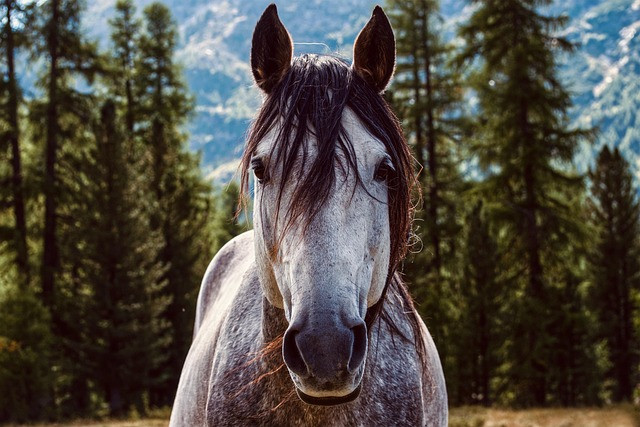
Owners and caretakers need a clear, practical reference for horse health and nutrition India that covers feeding, body condition, common disorders, and routine care. This guide provides actionable guidance to design feeding plans, spot early warning signs, and apply a simple checklist to daily management.
- Focus first on high-quality forage, clean water, and a stable routine.
- Use the FEED-SAFE framework for consistent decisions about feed and health.
- Monitor body condition score (BCS), dental health, hooves, vaccinations and deworming.
horse health and nutrition India: core principles
Fundamental priorities are forage quality, daily water intake, workload-appropriate energy, and micronutrient balance. In India, seasonal changes affect available roughage and concentrate choices; adapt portions as feed quality changes. Related terms to track: forage, roughage, concentrate, maintenance requirement, work requirement, electrolytes, minerals, and probiotics.
Feeding basics and equine feeding guidelines India
Forage first
Forage (good hay or pasture) should constitute the bulk of intake—typically 1.5–2.5% of body weight per day for adult horses, adjusted for activity. Test hay for mold, dust, and nutrient content when possible. In dry seasons common in many parts of India, conserved forage quality drops; supplement carefully.
Concentrates and energy
Use grains or commercial mixes to meet additional energy needs for work, growth, or lactation. Introduce concentrates gradually over 7–10 days to avoid digestive upset and colic. Balance protein, vitamins, and minerals—especially calcium, phosphorus, and salt.
Water and electrolytes
Provide constant access to clean water; a 450–600 kg horse drinks 20–45 liters daily depending on workload and temperature. Replace electrolytes after heavy sweating sessions; use measured products and follow label guidance.
EQUINE CARE 5-Point Checklist (named checklist)
- Body Condition: Monthly BCS check (1–9 scale) and weight estimate
- Teeth: Annual dental exam and floating as needed
- Hooves: Daily hoof pickup and farrier every 6–8 weeks
- Parasite Control: Deworm by diagnosis or strategic schedule
- Vaccination: Follow regional schedules for tetanus, influenza, and rabies
Practical feeding plan and horse dietary management India
Design a simple daily plan: morning forage, midday concentrate if required, evening forage, salt/mineral block, and free water. Adjust amounts by BCS, workload, and seasonal forage quality. Keep gradual transitions when changing feeds.
FEED-SAFE framework (named model)
Use this six-point decision model before changing diet or introducing supplements:
- F — Forage base check (quality & quantity)
- E — Evaluate workload and body condition
- E — Examine dental and hoof status
- D — Decide on concentrate needs
Common health issues and responses
Watch for colic, laminitis, respiratory problems, and weight loss. Colic signs include rolling, pawing, off-feed, and stretching. Immediate steps: remove feed, offer water (unless vomiting), call a veterinarian, and record recent feed changes. For laminitis, limit carbohydrate-rich feeds and consult a veterinarian quickly.
Practical tips
- Weigh or measure feed portions rather than guessing; use a kitchen scale or calibrated scoop.
- Introduce any new feed over at least 7 days; split changes into small increments.
- Keep a daily log for intake, weight/BCS, exercise, and unusual signs to spot trends early.
- Store hay and concentrate in dry, rodent-free areas to prevent mold and contamination.
Trade-offs and common mistakes
Trade-offs are common between cost, convenience, and nutritional completeness. Common mistakes include:
- Overfeeding concentrates to mask poor-quality forage — increases colic and laminitis risk.
- Skipping dental checks — reduces chewing efficiency and causes weight loss.
- Ignoring water access — dehydration reduces appetite and performance.
Real-world example
A 450 kg riding horse in central India: pasture quality drops in summer. Apply FEED-SAFE: increase good-quality hay to 2% body weight, add a measured 1–1.5 kg of concentrate per day for moderate work, provide a salt block, and schedule a dental check before monsoon season. Monitor BCS monthly and reduce concentrate if weight increases undesirably.
Further resources
For region-specific research and recommended practices, consult national veterinary research centers such as ICAR - National Research Centre on Equines which publishes guidelines on feeding, health, and disease prevention.
Monitoring and record-keeping
Keep a simple notebook or digital log with feed amounts, BCS, deworming dates, and vaccines. Regular records make it easier to correlate diet changes with health outcomes and to discuss issues with a veterinarian.
What to ask a veterinarian or nutritionist
- Request a bodyweight estimate and BCS assessment
- Ask for a tailored deworming and vaccination schedule
- Bring samples or photos of hay and concentrate labels for nutrient evaluation
What are the basics of horse health and nutrition India?
Focus on consistent access to quality forage, adequate water, workload-adjusted energy, routine dental and hoof care, parasite control, and a vaccination plan tailored to local disease risks.
How often should horses be dewormed and vaccinated?
Use a targeted deworming strategy based on fecal egg counts when possible; in many regions, 2–4 strategic treatments per year are common. Vaccination schedules vary by disease risk and region—consult local veterinary authorities and follow manufacturer instructions.
Can supplements replace poor-quality forage?
No. Supplements can correct specific deficiencies but cannot replace the digestive and behavioral benefits of adequate, clean forage. Improving forage quality is usually more effective than relying on supplements alone.
How to prevent colic when changing diets?
Change feeds slowly over 7–14 days, keep the horse active, maintain water access, and avoid large, infrequent meals. Introduce grain in small, divided portions rather than a single large feed.
When should a nutritionist be consulted?
Consult a qualified equine nutritionist for performance horses, breeding stock, or when recurrent digestive or weight problems occur despite basic management improvements.