How Drug Discovery and Development Works: A Practical Guide to Pharmaceutical Product Development
-

- Published Updated
- 1,676 views
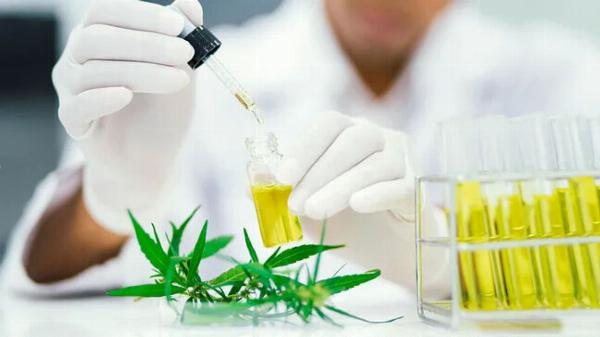
The process of drug discovery and development transforms scientific insights into safe, effective medicines. Drug discovery and development encompasses target identification, lead optimization, preclinical testing, multi-phase clinical trials, regulatory review, manufacturing scale-up, and post‑market safety monitoring. This article outlines each stage, explains common terminology, and highlights the roles of regulators and research institutions.
- Drug discovery begins with understanding disease biology and identifying therapeutic targets.
- Preclinical studies assess safety and pharmacology before human trials.
- Clinical development typically proceeds through Phase I–III trials, ending with regulatory submission and approval.
- Manufacturing scale-up, quality systems (GMP), and pharmacovigilance ensure consistent supply and ongoing safety monitoring.
- Regulators such as the U.S. Food and Drug Administration (FDA), the European Medicines Agency (EMA), and the World Health Organization (WHO) provide guidance and oversight.
Drug discovery and development: an overview of stages and objectives
At a high level, drug discovery and development aims to identify molecules or biologics with therapeutic potential, demonstrate safety and efficacy, and deliver those products to patients under regulated frameworks. Key phases include discovery, preclinical evaluation, clinical trials, regulatory review, manufacturing, and post-approval surveillance.
From target identification to lead candidate
Target discovery and validation
Target discovery involves identifying proteins, receptors, enzymes, pathways, or cellular mechanisms implicated in a disease. Validation uses genetic, biochemical, or cellular models to show that modulating the target could produce a therapeutic effect. Techniques include genomics, proteomics, CRISPR screens, and translational research linking human biomarkers to disease states.
Hit identification and lead optimization
High-throughput screening, fragment-based discovery, or computational chemistry can identify initial 'hits'—compounds that interact with the target. Medicinal chemistry and structure-based design refine these hits into 'lead' candidates with improved potency, selectivity, pharmacokinetics, and safety profiles. For biologics, engineering antibody affinity, stability, and manufacturability are primary concerns.
Preclinical testing and safety assessment
In vitro and in vivo studies
Preclinical studies involve laboratory and animal experiments to characterize pharmacodynamics (PD), pharmacokinetics (PK), absorption-distribution-metabolism-excretion (ADME), and toxicology. These data support the design of first-in-human studies and the submission of an investigational new drug (IND) application or equivalent in other jurisdictions.
Regulatory pre-submission interactions
Regulatory agencies often offer scientific advice or pre-IND meetings. Early engagement with regulators helps align study designs, safety assessments, and manufacturing controls with expectations for clinical development and market authorization.
Clinical development and regulatory review
Phase I–III clinical trials
Clinical trials typically proceed through three main phases: Phase I (safety and dose-ranging in healthy volunteers or patients), Phase II (proof-of-concept and dose optimization), and Phase III (large-scale randomized controlled trials to demonstrate efficacy and safety). Design elements include endpoints, comparator therapies, randomized controlled methodologies, and statistical analysis plans.
Regulatory submission and approval
Upon successful clinical trials, sponsors compile data into regulatory submissions (e.g., New Drug Application [NDA] or Marketing Authorization Application [MAA]) that detail clinical results, manufacturing processes, and risk mitigation strategies. Regulatory review evaluates benefit–risk balance, labeling, and post-approval requirements. Official guidance from agencies such as the U.S. Food and Drug Administration provides frameworks for these submissions and review standards.
For authoritative information on the regulatory process, see the FDA's overview of drug development and approval: FDA: Development & Approval Process (Drugs).
Manufacturing, quality, and post-market safety
Scale-up and Good Manufacturing Practices (GMP)
Transitioning from laboratory-scale production to commercial manufacturing requires process development, validation, and adherence to GMP. Consistent product quality, supply chain controls, and facility inspections are essential for market authorization and continued compliance.
Pharmacovigilance and lifecycle management
Post-market surveillance monitors adverse events, long-term safety, and real-world effectiveness. Lifecycle management may include additional indications, formulation improvements, or risk-minimization measures. Regulators may require periodic safety updates and phase IV studies.
Emerging trends and scientific advances
Precision medicine and biomarkers
Advances in genomics, biomarker discovery, and companion diagnostics enable more targeted therapies and stratified clinical trials. Personalized approaches can improve efficacy and reduce adverse effects by matching treatments to patient subgroups.
Digital tools, AI, and platform technologies
Artificial intelligence and machine learning assist in target discovery, chemical design, and trial optimization. Platform technologies such as mRNA, gene therapy vectors, and cell therapies accelerate development by reusing validated manufacturing and regulatory pathways.
Stakeholders, ethics, and global considerations
Public health agencies, academia, and industry
Successful development relies on collaboration among academic researchers, contract research organizations, industry sponsors, regulators, and patient advocacy groups. Ethical considerations—including informed consent, equitable access, and trial diversity—are central to trial design and post-approval distribution.
International regulation and access
Regulatory requirements and approval timelines differ across regions. Harmonization efforts by international bodies aim to streamline reviews and support global access to essential medicines.
Frequently Asked Questions
What is drug discovery and development?
Drug discovery and development is the multi-stage process of identifying therapeutic targets, discovering and optimizing candidate molecules or biologics, performing preclinical and clinical testing to establish safety and efficacy, obtaining regulatory approval, and maintaining manufacturing and safety monitoring after market entry.
How long does drug development typically take?
Timelines vary widely; traditional development from discovery to approval often takes 10–15 years, though accelerated pathways and platform technologies can shorten timelines for certain products.
What are the main reasons drug candidates fail?
Common causes of failure include lack of efficacy in humans, unacceptable toxicity or safety issues, poor pharmacokinetics, manufacturing challenges, or strategic commercial decisions.
Which regulators oversee drug approvals?
Major regulators include the U.S. Food and Drug Administration (FDA), the European Medicines Agency (EMA), national regulatory authorities, and international organizations such as the World Health Organization (WHO), which provide guidance and oversight for safety, efficacy, and quality.
How are patients protected during clinical trials?
Protections include informed consent, independent ethics committee review, data monitoring committees, regulatory oversight, and adherence to Good Clinical Practice (GCP) standards to ensure participant safety and data integrity.