How Logistics Services Power Global Commerce: Supply Chain, Transportation, Warehousing Explained
-

- March 03rd, 2026
- 1,146 views
Logistics Services are the systems and processes that move goods from origin to destination, coordinate inventory management, and enable modern commerce. This article explains core functions such as transportation, warehousing, freight forwarding, last-mile delivery and customs clearance, and highlights technology, regulation, and sustainability trends that affect supply chain performance.
- Logistics services include transportation, warehousing, inventory control, and freight forwarding.
- Third-party logistics (3PL), carriers, and brokers are common providers.
- Digital tools like TMS/WMS, IoT, and visibility platforms are reshaping operations.
- Regulation from bodies such as the International Maritime Organization and World Customs Organization affects cross-border movement.
Logistics Services: Core functions and why they matter
At the core, logistics services coordinate the physical flow of goods and related information across the supply chain. Key activities include transportation by road, rail, sea and air; warehousing and distribution; inventory management; order fulfillment and last-mile delivery; and value-added operations such as kitting and reverse logistics. Effective logistics reduce lead times, lower costs, and improve customer satisfaction.
Main components of logistics operations
Transportation and freight management
Transportation is the movement of goods using different modes—air, ocean, road, and rail. Freight management covers carrier selection, rate negotiation, route optimization, and freight consolidation. Freight forwarding bridges complex international shipments by organizing multimodal transport and preparing documentation for customs clearance.
Warehousing, distribution and inventory management
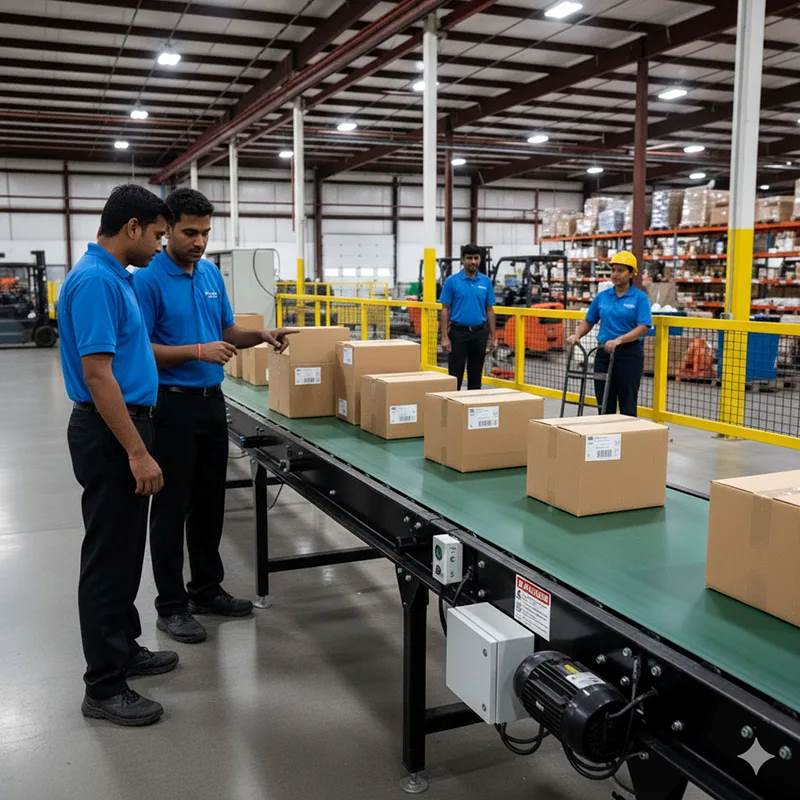
Warehousing provides storage, cross-docking, and order picking. Inventory management balances stock levels to avoid stockouts or excess inventory, using forecasting and safety stock rules. Distribution centers and fulfillment centers support ecommerce and omnichannel retail through batching, kitting, and real-time inventory updates.
Last-mile and reverse logistics
Last-mile delivery is the final step to the customer and often the most expensive. Solutions include route optimization, parcel lockers, and crowd-sourced deliveries. Reverse logistics manages returns, repairs, and recycling, which are important for customer service and sustainability.
Key players and service models
Third-party and fourth-party logistics providers
Third-party logistics providers (3PLs) offer outsourced services like warehousing, transportation, and fulfillment. Fourth-party logistics providers (4PLs) manage entire supply chain solutions by coordinating multiple 3PLs and technology platforms. Carriers, freight forwarders, customs brokers, and distribution providers each play distinct roles.
Specialized services
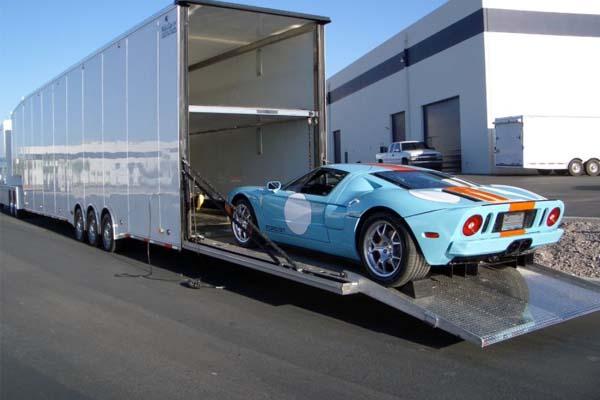
Specializations include cold chain logistics for temperature-sensitive goods, hazardous materials handling, project cargo for oversized shipments, and expedited air freight. Cross-docking and just-in-time logistics reduce handling time and inventory holding costs.
Technology and trends shaping logistics
Visibility, automation and data
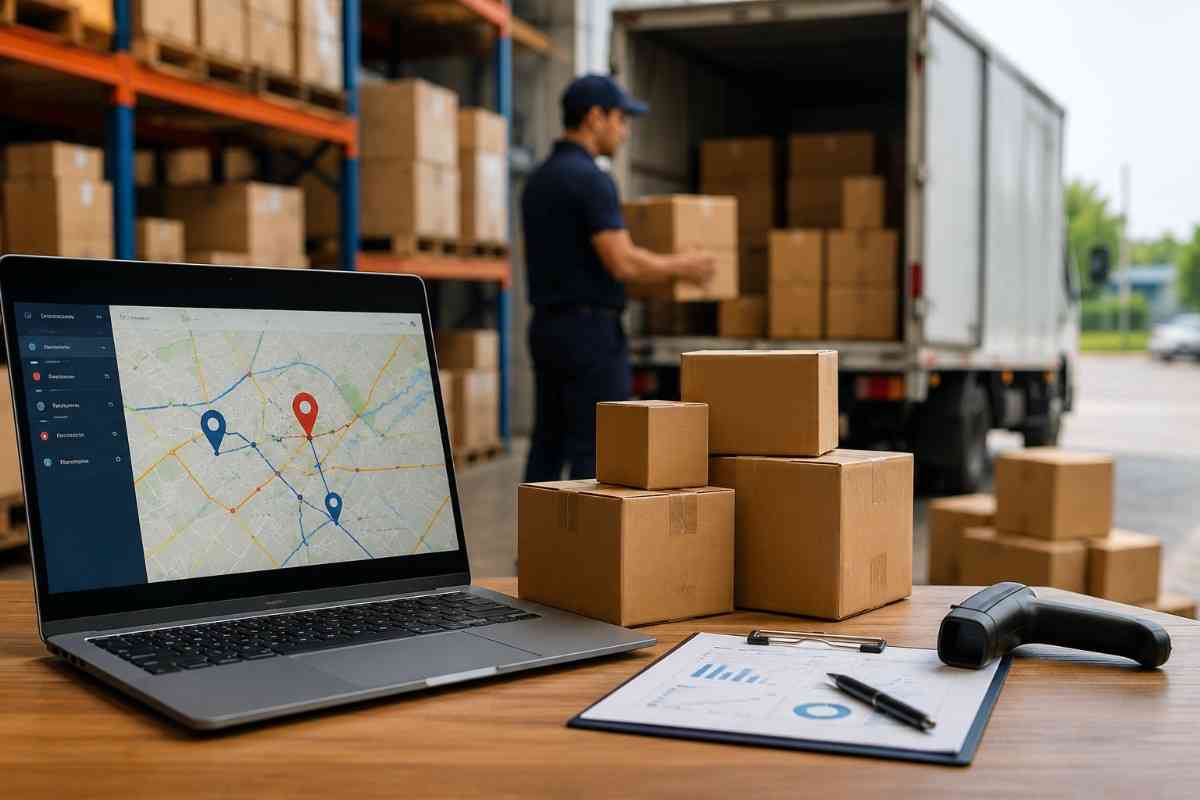
Transportation Management Systems (TMS), Warehouse Management Systems (WMS), and enterprise resource planning (ERP) integrations increase visibility across the supply chain. Internet of Things (IoT) sensors, RFID, and telematics provide real-time tracking of condition and location. Data analytics and AI enable demand forecasting, route optimization, and dynamic pricing.
Digital platforms and e-commerce impact
Omnichannel retail and ecommerce have accelerated demand for faster fulfillment and flexible delivery options. Digital marketplaces, carrier APIs, and last-mile aggregators enable scalable fulfillment strategies and improved customer communication.
Regulation, compliance and safety
Cross-border logistics must comply with customs rules, trade regulations, safety standards, and environmental laws. International organizations such as the International Maritime Organization (IMO), the International Air Transport Association (IATA), and the World Customs Organization set guidelines that affect documentation, dangerous goods handling, and port operations. National regulators such as the Federal Motor Carrier Safety Administration (FMCSA) in the United States govern carrier safety and driver rules. For customs procedures and international trade facilitation, see the World Customs Organization for standards and guidance: https://www.wcoomd.org.
Sustainability and resilience in logistics
Environmental concerns are influencing modal choice, packaging, and network design. Strategies include modal shifts to lower-emission transport, consolidation to reduce empty miles, electric vehicles for last-mile delivery, and improved packaging to reduce waste. Building resilient networks involves dual sourcing, buffer inventory, and scenario planning to handle disruptions such as extreme weather, geopolitical events, or supplier issues.
How to select logistics services
Criteria for evaluation
When choosing a provider, evaluate capability (mode coverage, specialized services), technology (visibility and integration), cost structure (rates and accessorial fees), compliance record, and scalability. Service-level agreements (SLAs), insurance options, and references from similar industries provide further assurance.
Measuring performance
Key performance indicators include on-time delivery rate, order accuracy, inventory turnover, transportation cost per unit, and fill rate. Regular review of KPIs and continuous improvement processes ensures alignment with business objectives.
Future outlook
Logistics services will continue to evolve with automation, electrification, and advanced analytics. Urban logistics and micro-fulfillment centers will expand to meet dense demand, while blockchain and standardized data sharing may simplify documentation and trade compliance. Investments in workforce training and digital skills remain critical as operations adopt more advanced technologies.
Frequently asked questions
What are Logistics Services and why are they important?
Logistics services coordinate the movement, storage, and handling of goods to fulfill customer demand. They are important because they connect manufacturers, suppliers, retailers and consumers, reduce costs through efficient transport and inventory management, and support service quality across supply chains.
What is the difference between a 3PL and a freight forwarder?
A 3PL provides outsourced logistics functions such as warehousing and domestic transportation, while a freight forwarder specializes in arranging international shipments, documentation, and multimodal transport. Some providers offer both services depending on scale and scope.
How does technology improve logistics performance?
Technology improves visibility, automates manual tasks, enhances route and inventory optimization, and enables data-driven decision-making. Tools like TMS, WMS, IoT sensors, and analytics platforms reduce errors and improve service levels.
What regulations affect international logistics?
International logistics is subject to customs regulations, maritime and air transport rules, dangerous goods handling standards, and trade compliance requirements set by organizations such as the IMO, IATA, and national customs authorities.
How can businesses reduce the environmental impact of logistics?
Strategies include consolidating shipments, shifting to lower-emission modes, optimizing routing, adopting electric or fuel-efficient vehicles, improving packaging, and collaborating with partners to reduce empty runs and waste.