How Innovative Packaging Solutions Transform Consumer Experience and Sustainability
-

- April 24th, 2026
- 1,709 views
Consumers increasingly notice how innovative packaging solutions influence buying decisions, product usability, and perceptions of sustainability. From interactive labels to recyclable materials, packaging now communicates brand values and affects the entire product lifecycle.
- Packaging improvements affect shelf appeal, usability, and the perceived value of products.
- Sustainable materials and circular practices reduce waste and respond to regulation and consumer demand.
- Smart packaging and traceability enhance safety, authenticity, and post-purchase engagement.
- Supply chain design and logistics-compatible formats reduce costs and environmental impact.
Innovative packaging solutions: Trends and impacts
Innovations in packaging combine material science, design, and digital technologies to improve the consumer experience while addressing environmental and regulatory concerns. Sustainable materials such as recycled paperboard, bio-based plastics, and compostable films are paired with design strategies that prioritize easy opening, resealability, portion control, and information clarity. These changes influence how consumers perceive product quality, convenience, and brand responsibility.
Design, usability, and consumer perception
Packaging design affects first impressions and ongoing use. Clear labeling, ergonomic forms, and resealable features increase perceived convenience and reduce product waste. Visual design and tactile cues—such as embossing or matte finishes—convey premium positioning without changing the product inside. Accessibility considerations (easy-open tabs, readable type sizes) broaden the consumer base and improve satisfaction.
Sustainability, regulation, and materials
Sustainable packaging approaches include using recycled content, designing for recyclability, and adopting refillable or reusable systems. Regulations and policy frameworks—such as extended producer responsibility (EPR) schemes and regional packaging directives—are accelerating adoption of circular economy practices. Organizations and standards bodies like ISO support environmental management frameworks and life cycle assessment (LCA) methodologies for measuring impacts. For guidance on sustainable materials and waste management at the national level, see the U.S. Environmental Protection Agency's resource hub: EPA Sustainable Management of Materials.
Technology and interactivity
Digital elements change what packaging can do. QR codes, near-field communication (NFC), and RFID tags provide product information, provenance data, and authentication checks. Smart packaging may include freshness indicators or temperature sensors for perishable goods, improving safety and reducing food waste. Anti-counterfeiting measures and tamper-evident designs protect consumers and brands, particularly in pharmaceuticals and high-value goods.
Supply chain, logistics, and retail considerations
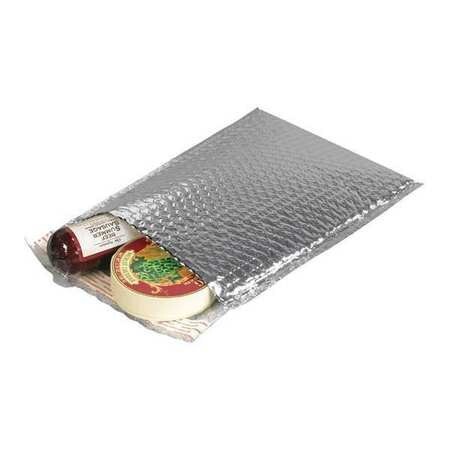
Packaging decisions affect transportation efficiency, storage density, and return logistics—especially with growing e-commerce volumes. Right-sizing packaging reduces material use and shipping costs. Protective designs that reduce damage rates decrease returns and waste. Retailers often evaluate packaging for shelf efficiency, barcode readability, and display compatibility, which influences supplier choices and inventory turnover.
Measuring impact and consumer feedback
Quantitative measures such as reduction in weight, LCA-based carbon footprint assessments, and recyclability rates help compare solutions. Consumer research—surveys, usability testing, and post-purchase reviews—provides qualitative insight into perceived value, convenience, and willingness to pay for sustainable or smart features. Combining these data sources supports iterative improvements.
Barriers and trade-offs
Adopting new packaging can involve cost, supply chain adjustments, and compatibility issues with existing recycling systems. Some novel materials require specialized collection or industrial composting facilities, which may not be widely available. Regulatory compliance and standards testing (e.g., food-contact safety, transportation regulations) add complexity. Transparency about materials and end-of-life options helps manage consumer expectations.
Practical examples and sectors seeing rapid change
Food and beverage sectors often lead in lightweighting and reclosable formats to extend freshness. Personal care brands experiment with refill stations and concentrates to minimize single-use containers. Electronics packaging increasingly focuses on protection for transit and simplified unboxing experiences while reducing excess inserts. Pharmaceuticals and healthcare prioritize tamper-evidence and traceability to meet safety standards.
Looking ahead: convergence of design and policy
Future developments are likely to merge improved materials with regulatory drivers and consumer demand for transparency. Greater adoption of standardized labeling for recyclability and clearer claims about carbon footprint or circularity will make it easier for consumers to compare options. Collaboration across designers, material scientists, regulators, and waste management systems is essential to scale effective solutions.
Frequently asked questions
What are innovative packaging solutions?
Innovative packaging solutions are new or improved materials, designs, and technologies that enhance product protection, convenience, sustainability, or consumer engagement. Examples include recyclable mono-materials, compostable films, smart labels, and reusable refill systems.
How do innovative packaging solutions improve the consumer experience?
They improve usability (easy-open, reseal, portion control), provide transparency (ingredient and provenance information via QR codes), protect product quality (temperature or freshness indicators), and align with values (sustainable materials), all of which influence purchase decisions and satisfaction.
Are sustainable packaging options always better for the environment?
Not always. Environmental benefits depend on the full life cycle, availability of recycling or composting infrastructure, and consumer behavior. Life cycle assessment (LCA) helps evaluate trade-offs such as energy use, greenhouse gas emissions, and end-of-life impacts.
Which regulations or standards affect packaging choices?
Packaging is influenced by regional regulations (packaging directives, EPR schemes), product-specific rules (food contact or pharmaceutical safety), and international standards (ISO environmental management guidelines). Staying informed about local requirements and certification pathways is important for compliance.
How can businesses test new packaging without large-scale risk?
Pilot programs, limited-market launches, consumer testing panels, and iterative design sprints allow evaluation of performance, consumer acceptance, and supply chain compatibility before broad rollout. Metrics to monitor include damage rates, returns, consumer feedback, and end-of-life handling.