Lightweight Hunting Boots: Comfort, Speed, and Performance in the Field
-

- March 25th, 2026
- 7,734 views
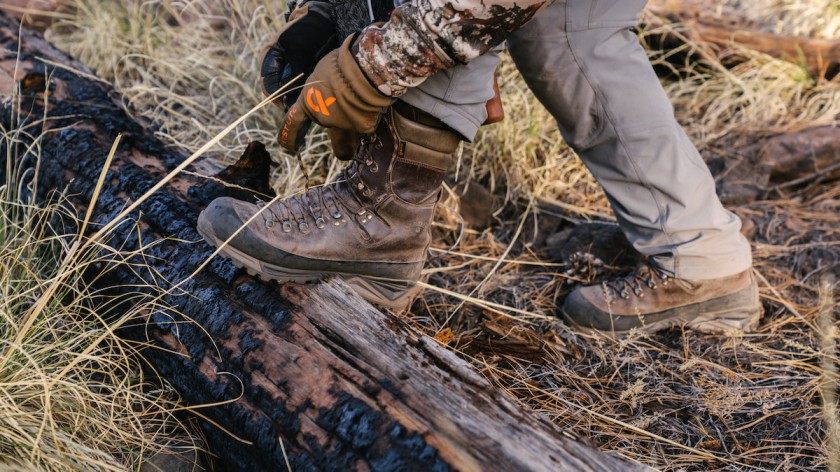
Choosing the right hunting boots is not a small decision. A poor choice leads to fatigue, blisters, and missed opportunities. A good pair supports long miles, adapts to terrain, and keeps your feet stable in changing conditions. For hunters covering ground in early season or warmer climates, weight matters more than most realize.
Modern boot technology has shifted toward lighter builds without sacrificing durability. Materials like synthetic uppers, EVA midsoles, and breathable membranes have replaced heavy leather-only constructions. The result is footwear that feels closer to trail running shoes while still offering protection and grip.
This guide breaks down what actually matters, highlights top-performing models, and helps you avoid common buying mistakes.
Why Lightweight Boots Matter for Hunting
Heavy boots drain energy faster. Studies in biomechanics show that adding weight to your feet increases oxygen consumption and fatigue more than carrying the same weight on your back. Even an extra pound per foot can significantly affect endurance over long distances.
Lightweight boots reduce that strain. They improve mobility, especially during spot-and-stalk hunts or when navigating uneven terrain. Faster foot movement also helps with balance and reaction time.
This becomes critical in early season hunts where temperatures are higher and distances are longer. Instead of overheating and slowing down, lighter footwear keeps movement efficient.
Key Features That Define Performance
Weight alone is not enough. A lightweight boot must still deliver support, durability, and traction. Here is what separates high-performing options from average ones.
Upper Material
Synthetic fabrics dominate this category. Nylon, polyester, and mesh combinations reduce weight and improve breathability. Some models still use leather overlays for added structure.
Full leather boots are durable but heavier. Hybrid designs strike the best balance.
Midsole Construction
EVA midsoles are common because they are lightweight and absorb shock effectively. Some brands integrate polyurethane for added durability in high-impact areas.
A good midsole reduces fatigue and protects joints during long hikes.
Outsole and Traction
Rubber outsoles with aggressive lug patterns are essential. Vibram and proprietary designs from brands like Salomon and Merrell provide excellent grip on wet, rocky, or muddy terrain.
Traction is non-negotiable. Slips cost time and can end a hunt quickly.
Waterproofing vs Breathability
Waterproof membranes like Gore-Tex keep feet dry but can trap heat. Non-waterproof boots breathe better but offer less protection in wet conditions.
For early season hunts in dry climates, breathability often matters more. In wet or unpredictable environments, waterproofing becomes necessary.
Ankle Support
Lightweight boots tend to be lower-cut. While this improves mobility, it reduces ankle support. Mid-height designs offer a better balance for uneven terrain.
Top Lightweight Hunting Boots Worth Considering
These models consistently rank among hunters for comfort, durability, and performance in real-world conditions.
Salomon Quest 4 GTX
A strong choice for hunters covering rugged terrain. It combines stability with a relatively lightweight build. The chassis system provides excellent support without feeling bulky.
• Weight: Around 2.9 lbs per pair
• Waterproof: Yes
• Best for: Mountain and rough terrain
Danner Vital
Designed specifically for hunters who prioritize comfort and flexibility. It uses synthetic materials and a cushioning system that reduces foot fatigue.
• Weight: Around 2 lbs per pair
• Waterproof: Yes
• Best for: Long hikes and mixed terrain
Irish Setter VaprTrek
Known for being extremely lightweight and quiet. This boot is ideal for early season hunts where stealth and mobility matter.
• Weight: Around 1.9 lbs per pair
• Waterproof: Optional versions available
• Best for: Warm weather and spot-and-stalk hunting
Merrell Moab 3 Tactical
More of a hybrid between hiking and hunting boots. It offers excellent comfort straight out of the box with minimal break-in time.
• Weight: Around 2.4 lbs per pair
• Waterproof: Available in GTX version
• Best for: Light terrain and quick movement
LaCrosse Alphaburly Pro (Uninsulated)
While traditionally heavier, the uninsulated version provides a lighter alternative for wet environments. It is especially useful in marshy or muddy areas.
• Weight: Around 4.5 lbs per pair
• Waterproof: Yes
• Best for: Wet conditions and water-heavy terrain
How to Choose Based on Hunting Style
Not all hunts demand the same footwear. Matching your boots to your hunting style improves performance and comfort.
Spot-and-Stalk Hunting
Mobility is key. Lightweight boots with flexible soles and breathable uppers perform best. Noise reduction is also important, so softer materials help.
Tree Stand Hunting
You will spend more time stationary. Slightly heavier boots with insulation may be better, but lightweight options still work in early season.
Backcountry Hunting
Durability and support matter more here. Choose lightweight boots with strong ankle support and rugged outsoles.
Wetland Hunting
Waterproofing becomes essential. Even if it adds some weight, keeping feet dry is critical for comfort and safety.
Fit and Comfort: What Most Hunters Get Wrong
Many hunters focus on features and ignore fit. This leads to blisters and discomfort after just a few miles.
Boots should fit snug but not tight. There should be enough room in the toe box to prevent pressure during downhill movement. Heel slippage must be minimal.
Always try boots with the same socks you plan to wear during hunting. This small detail makes a big difference.
Break-in time is another factor. Some lightweight boots require little to no break-in, while others still need a few outings before they feel right.
Breathability vs Waterproofing Trade-Off
This is one of the most debated topics among hunters.
Waterproof boots protect against rain, streams, and wet grass. However, they trap heat, especially during early season hunts. This leads to sweaty feet, which can cause blisters.
Non-waterproof boots allow airflow. They keep feet cooler and more comfortable during long hikes. The downside is reduced protection in wet conditions.
A practical approach is to choose based on your primary environment. Dry regions favor breathable boots. Wet or unpredictable climates require waterproofing.
Durability in Lightweight Designs
A common concern is whether lightweight boots last as long as heavier ones. The answer depends on materials and construction.
High-quality synthetic boots can last multiple seasons if used correctly. However, they may not match the lifespan of full leather boots in extreme conditions.
Reinforced toe caps, quality stitching, and strong outsoles extend durability. Avoid ultra-cheap options, as they often fail quickly under real hunting conditions.
Common Mistakes to Avoid
Many hunters make the same errors when choosing boots.
Ignoring terrain leads to poor traction and discomfort. Buying solely based on weight without considering support results in ankle issues. Choosing waterproof boots for hot climates causes overheating.
Another mistake is skipping proper socks. Moisture-wicking socks improve comfort and reduce blisters. Cotton socks should be avoided.
Real Performance Insights
Hunters who switch to lighter boots often report noticeable improvements. They cover more ground, feel less fatigue, and maintain focus longer.
In early season hunts, lighter footwear reduces overheating. In active hunting styles, it improves speed and agility.
However, lightweight boots are not a universal solution. In extreme cold or heavy terrain, traditional boots still have their place.
Maintenance Tips to Extend Lifespan
Taking care of your boots ensures they perform well over time.
Clean them after each hunt, especially if exposed to mud or water. Dry them properly, avoiding direct heat sources that can damage materials.
Use waterproof sprays if needed. Replace insoles periodically to maintain comfort and support.
Proper storage also matters. Keep boots in a dry, ventilated area to prevent odor and material breakdown.
Final Thoughts
Finding the right balance between weight, support, and durability is what matters most. The best lightweight hunting bootsare not just about being light. They are about improving efficiency, comfort, and performance in the field.
For most hunters, especially in early season or active hunting styles, lighter boots provide a clear advantage. They reduce fatigue, improve mobility, and make long days more manageable.
The key is choosing based on your environment and hunting style, not just trends or brand names. When the fit is right and the features match your needs, the difference is immediate and noticeable.