Practical Logistics Advertising Ideas to Boost Freight and Supply Chain Visibility
-
- February 23rd, 2026
- 1,324 views

FREE SEO Topical Map Generator: Find Your Next Content Ideas
Logistics Advertising Ideas help freight, warehousing, and last-mile providers reach shippers, carriers, and procurement teams through targeted messaging and measurable channels. Effective logistics ads combine industry knowledge of supply chain operations with modern marketing techniques to generate qualified leads, improve brand recognition, and support sales cycles.
- Identify target segments (shippers, retailers, manufacturers, carriers).
- Choose channels: search, display, social, industry media, out-of-home, and trade events.
- Use clear value propositions: transit time, reliability, tracking, compliance.
- Measure using lead quality metrics, cost per acquisition, and on-time delivery impacts.
Logistics Advertising Ideas: Channels and creative concepts
Select channels that match where procurement and operations decision-makers consume information. Common channels include paid search, display networks, social platforms with professional targeting, industry publications, trade shows, fleet branding, and programmatic audio or podcast sponsorships. Creative concepts should focus on concrete benefits—reduced transit time, visibility and tracking, carrier compliance, temperature control for sensitive cargo, and scalable capacity.
Search and content marketing
Search advertising captures demand from buyers researching freight solutions. Combine search campaigns with content marketing—white papers, case studies, and how-to guides—that address common logistics challenges such as route optimization, reverse logistics, and warehousing consolidation. Content enhances organic search presence and supports longer B2B buying cycles.
Display, programmatic, and retargeting
Display and programmatic campaigns are effective for brand awareness among logistics managers and procurement teams. Use retargeting to re-engage visitors who viewed service pages or downloaded resources. Creative units should include clear calls-to-action (request quote, download spec sheet) and emphasize trust signals such as certifications and on-time performance metrics.
Trade shows, industry media, and sponsorship
Trade events and industry publications remain high-value channels for B2B logistics advertising. Booth presence, sponsored content, and speaking sessions build credibility with decision-makers. Sponsorships of sector-specific newsletters or podcasts reach niche audiences such as cold chain managers, e-commerce fulfillment leads, and carrier operations directors.
Targeting, messaging, and segmentation
Segment by buyer persona
Segment audiences into personas: shippers (retailers and manufacturers), e-commerce fulfillment managers, procurement officers, and carrier partners. Tailor messaging to each persona’s pain points—cost control and predictability for procurement, visibility and SLA compliance for operations, scalability for e-commerce.
Geographic and capacity targeting
Use geographic targeting for regional lanes, last-mile metro areas, and port-adjacent logistics. Capacity-based messaging can target shippers during seasonal peaks or market disruptions, emphasizing scalable capacity and surge planning.
Creative formats and examples
Ad copy and visuals
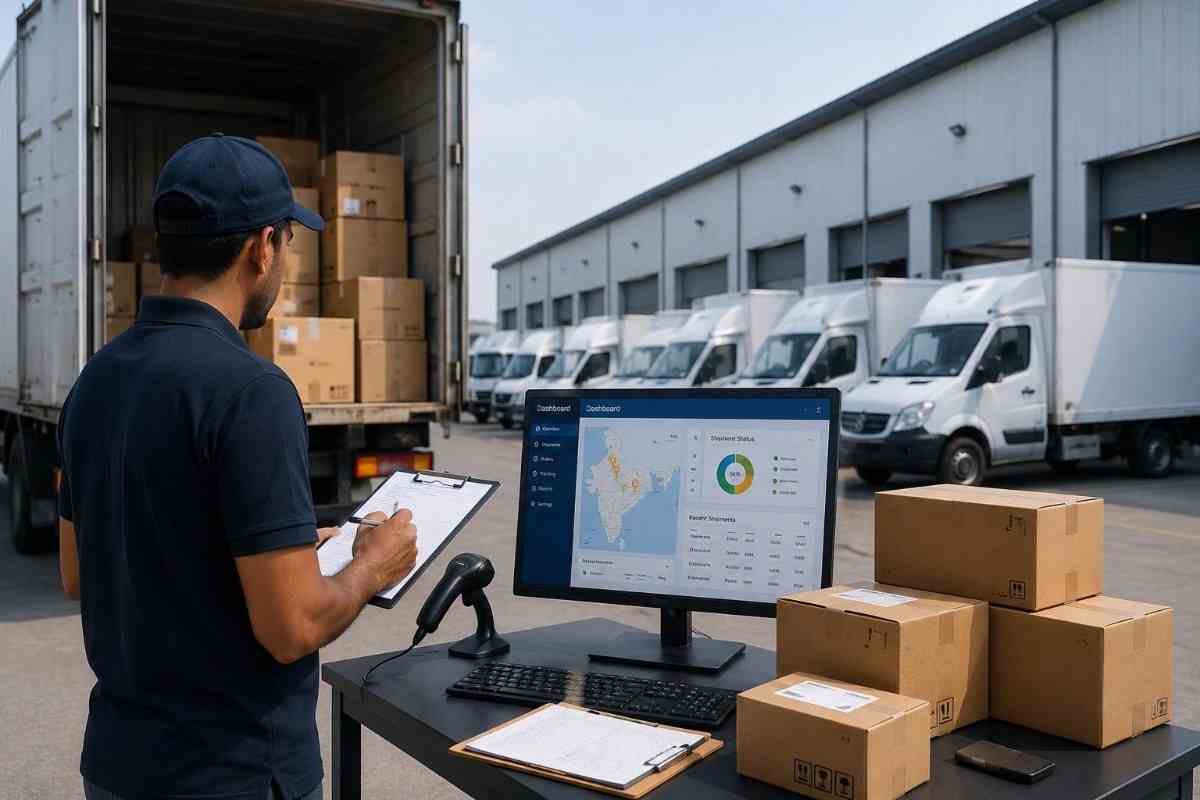
Keep copy concise and benefit-led: predictable transit times, real-time tracking, certified handlers, and temperature control where relevant. Use visuals that show technology dashboards, trucks or containers in service, and warehouse operations to reinforce capability.
Video and case study ads
Short explainer videos and customer case studies perform well in social and display environments. Highlight measurable outcomes like reduced dwell time at ports or improved on-time delivery rates to demonstrate ROI.
Measurement, KPIs, and attribution
Key performance indicators
Combine marketing KPIs (impressions, click-through rate, cost per lead) with sales and operational metrics (lead-to-contract rate, contract value, on-time delivery improvement). For enterprise logistics deals, measure lead quality and pipeline velocity rather than raw volume alone.
Attribution and multi-touch tracking
Implement multi-touch attribution to understand which channels influence decisions over long sales cycles. Use UTM parameters, a CRM integration, and first-party data to connect ad interactions to closed contracts and service performance metrics.
Compliance, safety, and regulatory considerations
Advertising in logistics should avoid misrepresenting certifications or capabilities. Cite certifications and compliance with regulations such as those enforced by the Federal Motor Carrier Safety Administration (FMCSA) or port authorities where applicable. For regulatory guidance and safety resources, consult the U.S. Department of Transportation website: U.S. Department of Transportation.
Budgeting and testing
Allocate by funnel stage
Allocate spend across awareness (display, sponsorship), consideration (content, webinars), and conversion (search, direct outreach). For high-value B2B deals, invest more in content and account-based marketing to nurture prospects through longer sales cycles.
A/B testing and optimization
Continuously test headlines, creative, targeting parameters, and landing pages. Use conversion rate and lead quality as primary success criteria rather than impressions alone.
Practical checklist before launching logistics ads
- Define target personas and serviceable lanes or regions.
- Create tailored landing pages with clear CTAs and trust signals.
- Set up tracking and CRM integration for lead attribution.
- Prepare content assets: datasheets, case studies, and videos.
- Plan a test budget and timeline for optimization.
Final tips for long-term success
Prioritize transparent performance metrics that matter to buyers, maintain industry-focused content, and align marketing with operations so advertising messages reflect actual service capabilities. Regular reviews of market conditions, such as trade flows and port congestion, help keep creative and targeting relevant.
Frequently asked questions
What are effective Logistics Advertising Ideas for a small freight company?
Small freight companies can focus on hyperlocal targeting, niche lanes, and case-study driven content. Leverage search advertising for immediate demand, local business listings for discoverability, and social or industry groups to build awareness among regional shippers. Consider fleet branding and partnerships with local brokers to expand visibility.
How should marketing measure ROI from logistics ads?
Measure both marketing and operational outcomes: cost per qualified lead, lead-to-contract conversion rate, average contract value, and service metrics like on-time delivery. Tie leads to CRM stages and attribute revenue back to campaigns when possible.
Which ad channels suit enterprise logistics providers?
Enterprise providers benefit from a mix of search for demand capture, account-based marketing, trade media sponsorships, and events. High-value content, executive briefings, and sales enablement materials support long sales cycles.
Is compliance important in logistics advertising?
Yes. Claims about capacity, certifications, and safety must be accurate. Reference regulators and industry standards where relevant and ensure marketing aligns with operational certifications and compliance obligations.