Lulutox Detox Tea UK: Safety, Ingredients, Official Website Facts and What to Know
-
- March 03rd, 2026
- 215 views

Get a free topical map and start building content authority today.
Detected intent: Informational
Lulutox detox tea UK: what this guide covers
This article explains the facts and practical checks surrounding Lulutox detox tea UK, including ingredient transparency, safety signals, official website behavior, and regulatory context. The goal is to help a consumer or clinician assess claims, spot common problems, and decide whether a product requires further investigation or professional advice.
- Lulutox detox tea UK: many herbal detox products make weight-loss or cleansing claims that need verification.
- Key checks: ingredient list, ingredient doses, safety warnings, contact details, returns policy, and independent reviews.
- Regulatory context: in the UK, herbal products may fall under general food rules, MHRA oversight for medicines, or ASA rules for advertising.
- Use the DETOX SAFETY Checklist below before buying; consult a clinician if taking medications, pregnant, or breastfeeding.
Lulutox detox tea UK: product overview and common red flags
Lulutox detox tea UK is one of many branded herbal blends marketed for "detox", weight management, or digestive support. These products typically rely on botanical ingredients such as senna, dandelion, fennel, or green tea. However, the label and the official website may not always provide full, verifiable information about ingredient doses, manufacturing standards, or clinical claims.
Common red flags to watch for
- No full ingredient list or missing ingredient quantities.
- Bold medical claims (permanent weight loss, disease treatment) without clinical citations.
- Shipping-only websites with limited company address or no returns policy.
- Testimonials in place of clinical data and absence of independent lab certificates.
How UK regulation applies (quick primer)
Understanding which rules apply makes it easier to decide whether to trust a seller. The Medicines and Healthcare products Regulatory Agency (MHRA) regulates medicines; many herbal remedies marketed as foods or supplements instead fall under food safety and trading standards. Advertising claims must comply with the Advertising Standards Authority (ASA) and trading rules. For general guidance on herbal medicines and safety, the NHS provides practical advice and is a good starting point: NHS — Herbal medicines.
DETOX SAFETY Checklist (named framework)
The DETOX SAFETY Checklist is a quick, repeatable framework to assess any detox tea product before purchase:
- Dose transparency — are ingredient amounts listed per serving?
- Evidence — are clinical studies, citations, or reputable lab tests supplied?
- Transparency — is a company address, contact number, and returns policy visible?
- Origin and manufacturing — where is it made and are GMP/food-safety claims clear?
- Xtras — any allergen warnings, pregnancy/breastfeeding cautions, drug-interaction notes?
- Safety signals — independent reviews, MHRA notices, or ASA interventions noted?
- Advertising compliance — are medical claims avoided or backed by evidence?
- Functional claims — are effects short-term (e.g., laxative) vs. long-term (weight loss)?
- Evaluate risks — interactions with prescription drugs or chronic conditions?
- Tested — is there third-party lab testing for contaminants (heavy metals, microbes)?
- Yield — realistic expectations: what does the product actually do (e.g., laxative effect) vs. marketing?
Ingredients and safety: Lulutox side effects UK and ingredient considerations
Many "detox" teas include botanicals that can cause side effects or interact with medications. The secondary keyword "Lulutox side effects UK" applies to expected risks such as dehydration, electrolyte imbalance, or digestive upset when products contain strong laxatives (e.g., senna) or diuretics (e.g., dandelion). Check the "Lulutox ingredients list" for known interactors: green tea (caffeine), licorice (blood pressure), senna (potent laxative), and St. John’s wort (drug interactions).
Common mistakes when evaluating ingredient lists
- Assuming a botanical name equals safety — dose and frequency matter.
- Relying solely on testimonials rather than documented adverse events or lab tests.
- Not checking for pregnancy, breastfeeding, or polypharmacy warnings.
Practical tips before buying or using a detox tea
- Check for a full ingredient list with amounts per serving and avoid products that only list generic herb names without doses.
- Search MHRA safety notices or the ASA database for the brand name or product claims; if unavailable, treat claims cautiously.
- Consult a clinician or pharmacist before use if taking prescription medicines, especially blood thinners, heart meds, or antidepressants.
- Start with a short trial (one serving) to check tolerance; do not use daily laxative-containing teas for extended periods.
- Keep hydrated and stop use if severe stomach pain, persistent diarrhoea, dizziness, or allergic signs occur.
Real-world example: evaluating an official website
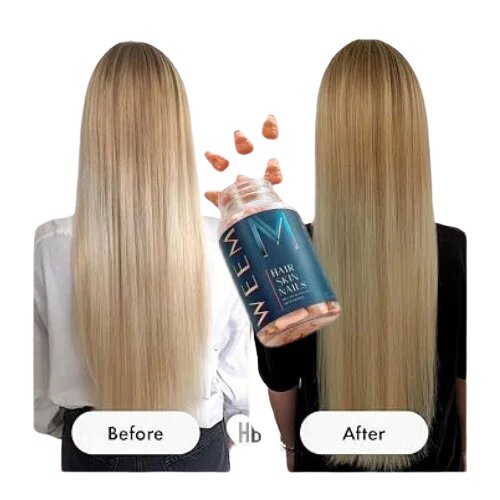
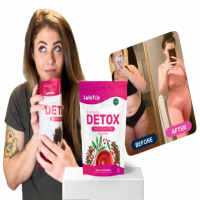
Scenario: A UK buyer finds a product page for "Lulutox" with dramatic before/after photos and fast-delivery banners. Apply the DETOX SAFETY Checklist: look for a company address and contact phone; find a detailed ingredient list with doses; check for third-party test certificates; confirm a returns policy and clear safety warnings. If the site lacks these, err on the side of caution and seek alternative, transparent products or professional advice.
Trade-offs and common mistakes when assessing detox teas
Trade-offs are often between rapid effects and safety. Strong laxatives or diuretics can produce short-term weight changes but pose risks if used long-term. Transparency vs. marketing: products with aggressive claims often withhold data. Common mistakes include assuming "natural" equals safe, ignoring interactions with medications, and trusting unverified testimonials. Regulatory absence does not imply safety — many supplements are not pre-approved as medicines.
Core cluster questions
- Are detox teas safe for people on prescription medication?
- How to check if a supplement is regulated or approved in the UK?
- What ingredients commonly cause side effects in herbal detox teas?
- How to interpret third-party lab certificates for supplements?
- When should a clinician be consulted before trying a herbal detox product?
Final checklist before deciding
Before purchasing Lulutox detox tea UK or similar products, confirm the following: full ingredient list with doses, company contact details and returns policy, manufacturer location, third-party testing or certifications, and absence of unsupported medical claims. If in doubt, consult a pharmacist or the NHS guidance on herbal medicines.
FAQ: Is Lulutox detox tea UK safe to use?
Safety depends on the ingredients, doses, and user health status. If the product contains known laxatives or diuretics, short-term use can cause dehydration and electrolyte imbalance. Those on medication, pregnant, breastfeeding, or with chronic health conditions should consult a clinician before use.
FAQ: What should be on a Lulutox ingredients list?
A complete list should include botanical names, amounts per serving, allergen statements, and any standardisation (e.g., mg of active compound). Absence of amounts or only vague listings is a reason for caution.
FAQ: How to report a suspicious or harmful product?
Report safety concerns to the UK authorities: the MHRA handles suspected adverse reactions related to medicines, and trading standards or the Citizens Advice consumer service can address misleading commercial practices. Advertising complaints can be directed to the ASA.
FAQ: Where to find reliable advice on herbal products?
Reliable, evidence-based guidance is available from the NHS and professional pharmacists. For general herbal medicine information, see the NHS resource on herbal medicines: NHS — Herbal medicines.
FAQ: What are common Lulutox side effects UK buyers report?
Reported side effects for detox teas generally include diarrhoea, abdominal cramping, dizziness from dehydration, and potential interactions with medications. Any persistent or severe symptoms should prompt medical attention.