Women's Jalabiya Must-Haves: Essential Modest Fashion Guide
-

- April 24th, 2026
- 150 views
The women's jalabiya is a timeless garment in modest fashion wardrobes worldwide. This guide explains the must-haves for selecting, styling, and caring for a jalabiya so it fits lifestyle, climate, and occasion without sacrificing modesty or style.
- Detected intent: Informational
- Primary keyword: women's jalabiya
- Main focus: practical selection, fabrics, and styling
- Includes: J-CARE checklist, real-world scenario, 5 core cluster questions
Women's Jalabiya Essentials
Choosing a women's jalabiya should balance silhouette, fabric, and intended wear. Key elements include sleeve length, neckline modesty, hem proportion, and fabric weight. The goal is a flattering silhouette that remains functional for daily wear, ceremonies, or travel.
How to pick the right jalabiya: fabrics, fits, and finishes
Fabric choices and why they matter
Fabric determines drape, breathability, and care. Common fibers and their traits: cotton (breathable, easy care), linen (cool, textured, wrinkles), viscose or rayon (soft drape), silk (luxury, delicate), polyester blends (durable, wrinkle-resistant). For sustainability or fiber standards, consult industry resources such as Textile Exchange.
Modest jalabiya styles to know
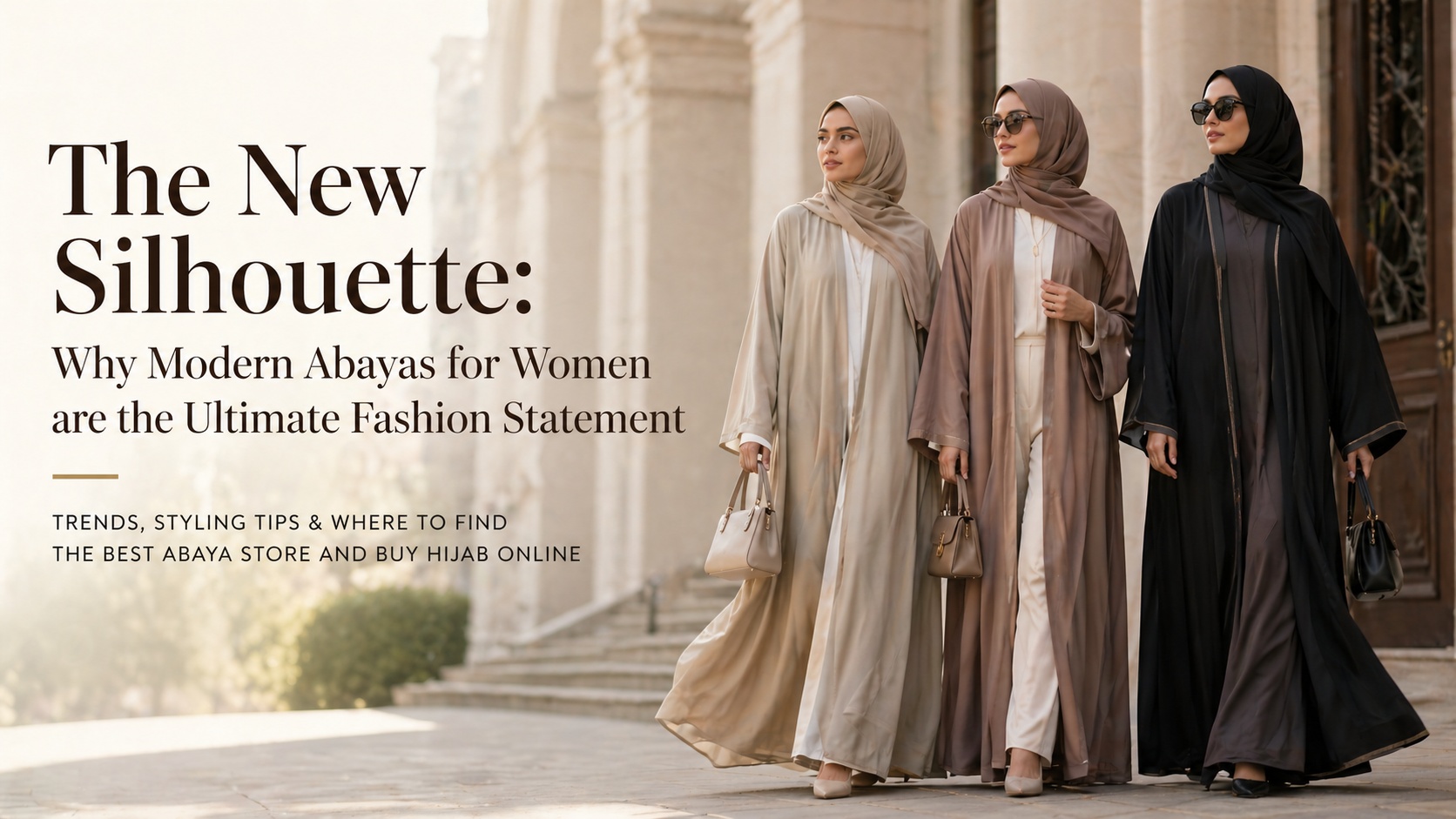
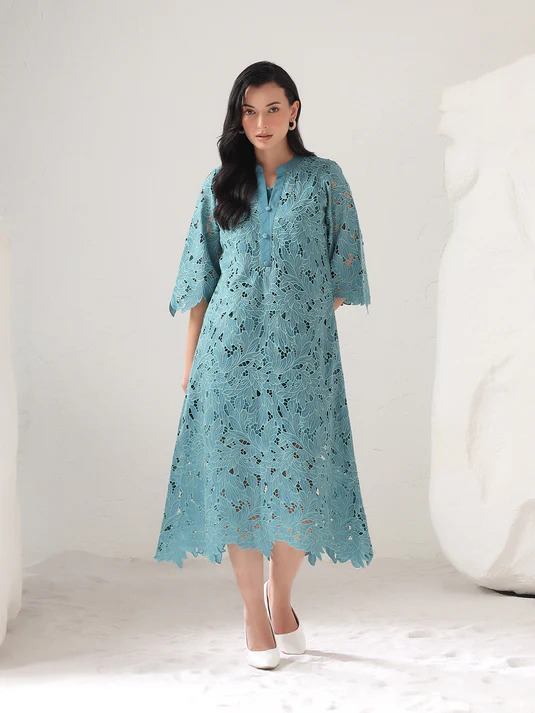
Silhouettes range from A-line jalabiyas and tiered styles to kimono sleeves and straight-cut variants. Terminology to recognize: kaftan (loose and flowing), abaya-style jalabiya (closed-front or open-front with inner layering), and embroidered jalabiya (decorative panels at cuff or hem). Choosing a silhouette depends on proportion, mobility needs, and personal modesty preferences.
Fit, alterations, and proportion
Common tailoring adjustments: shortening sleeves for comfort, narrowing the shoulder for a cleaner look, and altering hem length to suit shoe choices. Consider layering needs—wider cuts are preferable for adding inner layers without restricting movement.
J-CARE Checklist (named framework for buying and maintaining jalabiyas)
- J — Justify: Define where and how often the jalabiya will be worn.
- C — Choose fabric: Match fiber to climate and activity.
- A — Assess fit: Check shoulder, bust, sleeve length, and hemline with intended footwear.
- R — Review details: Examine seams, hems, closures, and embellishments for quality.
- E — Establish care: Confirm washing, drying, and storage instructions.
Real-world example
Scenario: Preparing for a summer family Eid gathering. Choose a lightweight viscose or fine cotton jalabiya in an A-line cut with full sleeves. Pick a knee-length underdress if the jalabiya is semi-sheer and opt for minimal embroidery near the neckline to keep the look comfortable and respectful. Verify machine-wash guidance on the label and add a gentle detergent to the shopping list.
Jalabiya styling tips and accessories
Jalabiya styling tips
1) Use belts sparingly—thin belts can define the waist under a loose jalabiya without breaking modesty. 2) Layer with a coordinating open abaya or long vest for added coverage and texture. 3) Match footwear to hem length: flats or low wedges with ankle-length jalabiyas; closed shoes for floor-length versions to avoid tripping. 4) Coordinate headscarf fabric weight with the jalabiya—light viscose scarves pair best with lightweight jalabiyas.
Accessories and finishing touches
Choose functional bags (crossbody for hands-free events), simple jewelry that complements embroidery, and slip-resistant footwear for outdoor functions. For embellished jalabiyas, keep other elements minimal so the garment remains the focal point.
Care, durability, and common trade-offs
Common mistakes when buying or styling a jalabiya
- Buying the heaviest fabric for hot climates—results in discomfort and limited wear.
- Ignoring lining or opacity—semi-sheer fabrics need underlayers for modesty.
- Over-embellishing multiple pieces—can appear cluttered instead of elegant.
- Neglecting care instructions—delicate fibers shrink or lose sheen if washed incorrectly.
Trade-offs to consider
Durability vs. drape: Polyester blends last longer but may feel less breathable than natural fibers. Luxury look vs. maintenance: silk and fine embroidery look elevated but require professional cleaning. Cost vs. versatility: a single well-made neutral jalabiya can serve multiple occasions, while trend-forward pieces offer immediate style impact but less long-term use.
Practical tips
- Always test colorfastness on an inner seam if unsure about dye transfer.
- Purchase or make a simple underdress for sheer fabrics rather than layering bulky garments.
- Store jalabiyas on wide, padded hangers to preserve shoulder shape and avoid creases.
- Use a tailor for small adjustments to avoid changing the intended drape.
- Rotate everyday jalabiyas to extend fabric life and reduce frequent laundering.
Core cluster questions
- What fabrics are best for a jalabiya in hot climates?
- How should a jalabiya be tailored for different body shapes?
- Which accessories pair well with embroidered and plain jalabiyas?
- What are practical care steps to keep a jalabiya looking new?
- How to choose a versatile jalabiya for both casual and formal wear?
When to buy, alter, or replace a jalabiya
Replace a jalabiya when fabric shows thinning, seams weaken, or color fades despite proper care. Alter for proportion before buying a new piece when the fabric and general design fit but small dimensions (sleeves, hem) do not. Consider reusing quality fabrics for a tailored piece rather than discarding them.
FAQs
What should be considered when buying a women's jalabiya?
Consider fabric weight, opacity, fit across the shoulders and bust, neckline coverage, and the occasion. Confirm care instructions and whether the design allows for comfortable movement and layering.
How to layer a jalabiya for colder weather?
Layer with thermal undergarments, a fitted long-sleeve inner top, and a coordinating coat or open abaya. Choose thicker fabrics like wool blends for the outer layer and maintain clean lines to avoid bulk.
Can a jalabiya be machine-washed safely?
Many cotton and polyester blends can be machine-washed on a gentle cycle, but delicate silks and heavily beaded jalabiyas usually require hand wash or professional cleaning. Always follow the garment's care label to avoid damage.
What styling tips help modernize traditional jalabiya looks?
Pair a traditional jalabiya with minimalist accessories, modern footwear, or a structured outer piece. Subtle belts, monochrome palettes, and mixing textures (matte fabric with glossy accessories) update the look without compromising modesty.
How to store and care for embroidered or beaded jalabiyas?
Store on padded hangers in breathable garment bags, avoid folding along heavy embellishments, and if needed, spot clean or take to a professional cleaner experienced with hand-embellished garments.