Why Are Businesses Investing in Music Streaming App Development?
-

- September 07th, 2026
- 5,383 views
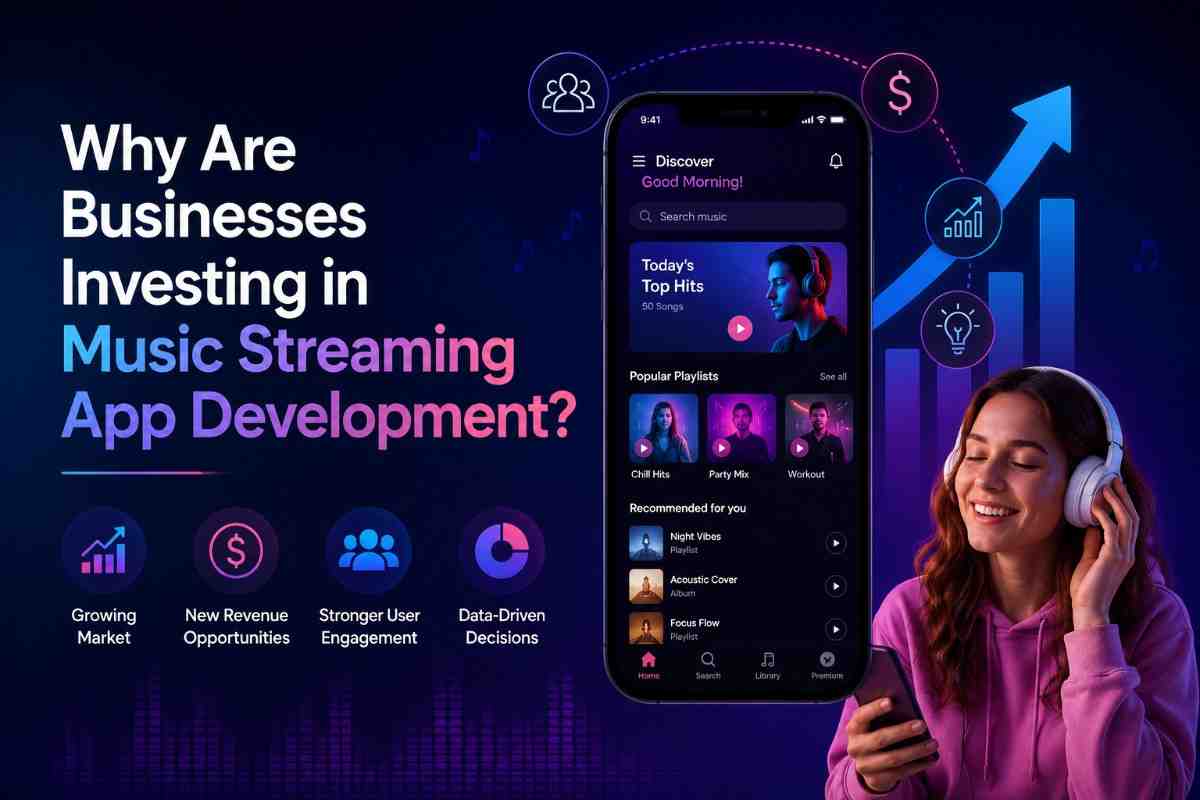
The music streaming industry has transformed the way people discover, consume, and share audio content. With millions of users relying on digital platforms for entertainment, businesses are increasingly recognizing the value of launching their own music streaming solutions. From independent music brands and media companies to startups and entertainment enterprises, organizations are investing in music streaming app development to reach wider audiences, create new revenue streams, and strengthen customer engagement.
In this article, we'll explore the key reasons behind this growing trend and what businesses should consider before entering the market.
The Growing Demand for Music Streaming Services
Consumer behavior has shifted dramatically over the last decade. Instead of purchasing individual songs or albums, users now prefer unlimited access to vast music libraries through subscription-based platforms. The widespread adoption of smartphones, faster internet connectivity, and personalized content recommendations has fueled the growth of music streaming services worldwide.
As demand continues to rise, businesses see an opportunity to create niche platforms that cater to specific audiences, genres, regions, or content creators.
New Revenue Opportunities
One of the primary reasons businesses invest in music streaming apps is the potential for recurring revenue. Unlike traditional digital products that rely on one-time purchases, streaming platforms can generate continuous income through multiple monetization models, including:
Monthly and annual subscriptions
Ad-supported streaming
Premium memberships
Exclusive content access
Artist promotions and sponsorships
In-app purchases
These diverse revenue streams allow businesses to build sustainable digital products while delivering value to users.
Enhanced Customer Engagement
Music is a highly engaging form of content. Users often spend hours listening to playlists, podcasts, and personalized recommendations. A dedicated streaming platform enables businesses to maintain regular interaction with their audience and strengthen brand loyalty.
Features such as customized playlists, AI-powered recommendations, offline listening, and social sharing create a personalized experience that encourages long-term user retention.
Opportunities Beyond Entertainment
Modern streaming platforms are no longer limited to music consumption. Many businesses are integrating podcasts, audiobooks, live audio events, and educational content into their applications. This diversification helps attract broader audiences while increasing user engagement.
For example, media companies can distribute exclusive audio content, educational organizations can offer learning materials, and artists can connect directly with their fans through exclusive releases and live sessions.
Data-Driven Business Decisions
Music streaming platforms generate valuable user data that can help businesses make informed decisions. Analytics provide insights into listening habits, content preferences, user demographics, and engagement patterns.
This information can be used to:
Improve content recommendations
Optimize marketing campaigns
Identify popular genres and artists
Increase customer retention
Enhance overall user experience
Access to real-time analytics gives businesses a competitive advantage in a rapidly evolving market.
Competitive Differentiation Through Custom Solutions
Many organizations choose custom music streaming app development instead of relying on generic solutions. A custom-built platform allows businesses to create unique features, design personalized user experiences, and implement specialized monetization strategies.
Custom development also provides greater control over:
Branding and user interface
Content management
Security measures
Scalability
Third-party integrations
Future feature enhancements
This flexibility helps businesses stand out in an increasingly competitive digital landscape.
Understanding Mobile App Development Cost
Before launching a streaming platform, businesses must evaluate the mobile app development cost associated with the project. Several factors influence development expenses, including:
Feature Complexity
Basic streaming applications typically require user registration, search functionality, playlists, and audio playback. Advanced features such as AI recommendations, offline listening, social sharing, and live streaming increase development complexity and cost.
Platform Selection
Businesses must decide whether to build for iOS, Android, or both. Cross-platform development can help reduce overall development costs while reaching a larger audience.
Design Requirements
Custom UI/UX design contributes significantly to user satisfaction but may increase the initial investment.
Content Management and Licensing
Music licensing agreements, content storage, and streaming infrastructure are important considerations that impact the overall project budget.
Scalability and Performance
A successful streaming app must support growing user numbers while maintaining fast and reliable performance. Investing in scalable architecture ensures long-term success.
While development costs vary based on requirements, businesses should view the investment as a strategic asset capable of generating long-term returns.
The Role of Emerging Technologies
Technologies such as artificial intelligence, machine learning, and cloud computing are shaping the future of music streaming applications. AI-driven recommendation engines help users discover relevant content, while cloud infrastructure ensures seamless streaming experiences across devices.
Businesses that leverage these technologies can improve user satisfaction, increase engagement, and gain a competitive advantage.
Conclusion
The increasing popularity of digital audio consumption has created significant opportunities for businesses across multiple industries. Investing in music streaming app development allows organizations to create new revenue streams, build stronger customer relationships, and deliver personalized experiences that users value.
While the mobile app development cost varies depending on project scope and feature requirements, a well-planned streaming platform can provide substantial long-term benefits. As consumer demand for on-demand audio content continues to grow, businesses that invest in innovative streaming solutions today will be better positioned for future success.