Myofascial Release Philadelphia for Everyday Muscle Care
-

- Published Updated
- 65 views
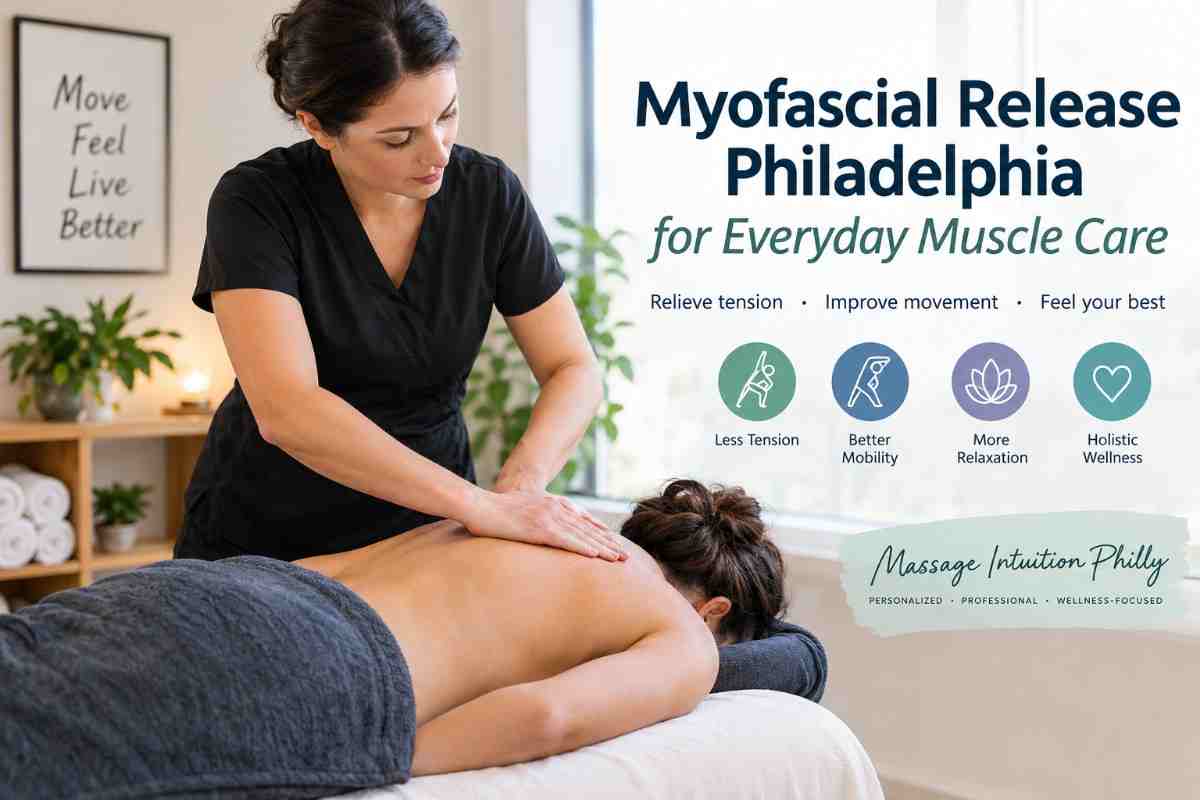
Daily activities such as sitting at a desk, exercising, driving, or standing for long periods can leave the body feeling stiff and uncomfortable. Over time, repeated movements and limited mobility may contribute to muscle tension and reduced flexibility. Finding a suitable bodywork routine can help people become more aware of their bodies and make relaxation part of everyday life. Myofascial release Philadelphia is a useful search for people exploring hands-on bodywork that focuses on fascia, the connective tissue surrounding muscles and other structures. This approach uses gentle, sustained pressure to address areas of tension and support comfortable movement. At Massage Intuition Philly, personalized massage experiences provide an opportunity to explore bodywork based on individual preferences, comfort, and wellness goals.
Understanding how myofascial release works can help you decide whether it belongs in your regular self-care routine.
What Is Myofascial Release?
Fascia is a network of connective tissue that surrounds and connects muscles, organs, nerves, and other structures throughout the body. Healthy fascia supports movement and allows different tissues to glide relative to one another.
Myofascial release is a manual therapy approach that applies sustained pressure or gentle stretching to selected areas. The technique aims to address perceived restrictions and encourage comfortable movement. Depending on the practitioner and session, the work may focus on areas such as the shoulders, neck, back, hips, or legs.
Unlike massage techniques that primarily use flowing strokes, myofascial work often involves slower, more focused contact. Pressure should remain appropriate for the client's comfort, and communication helps the practitioner adjust the session when needed.
People interested in myofascial release in Philadelphia can discuss their everyday activities, areas of tension, and preferences before choosing a session.
How Everyday Habits Affect Muscle Comfort
Muscle tension does not always come from strenuous exercise. Ordinary routines can also influence how the body feels throughout the day.
Common contributing factors include:
Prolonged sitting: Remaining in one position for hours can make movement feel less comfortable when standing up.
Repetitive activities: Repeating the same movements at work, during hobbies, or while exercising may create localized fatigue.
Limited movement: Long periods without changing positions can make the body feel stiff.
Intense physical activity: Increasing workout intensity too quickly may contribute to temporary muscle soreness.
Daily stress: Stress can influence muscle tension, breathing patterns, and overall relaxation.
Recognizing these patterns is a practical first step toward better everyday muscle care. Regular movement, adequate rest, hydration, and appropriate bodywork can complement one another as part of a balanced wellness routine.
Potential Benefits of Myofascial Release
People explore myofascial release for different reasons, depending on their activities and comfort needs. Although individual responses vary and research findings are not uniform, some potential benefits include the following.
1. Supporting Comfortable Movement
Focused manual techniques may help some people feel less restricted when moving. Sessions can be tailored to areas that feel tight after desk work, physical activity, or repetitive tasks.
2. Encouraging Relaxation
Slow, attentive bodywork can provide a dedicated opportunity to pause and unwind. A comfortable setting and an appropriate level of pressure may help clients feel more relaxed during and after a session.
3. Improving Body Awareness
A personalized session can help people notice habitual patterns, such as raised shoulders, jaw tension, or limited movement in a particular area. Greater awareness may encourage healthier movement breaks throughout the day.
4. Complementing an Active Lifestyle
People who walk, run, lift weights, dance, or participate in recreational sports may explore manual therapy as one part of their recovery and self-care routine. It should complement, rather than replace, appropriate exercise, rest, and medical care when necessary.
Myofascial release is not a guaranteed treatment for every source of discomfort. Persistent, severe, or unexplained symptoms should be assessed by a qualified healthcare professional.
Everyday Muscle Care Tips to Combine With Bodywork
A massage session can be one part of a broader approach to maintaining comfort. Small, consistent habits may be easier to maintain than occasional major changes.
Consider these practical strategies:
Take movement breaks: Stand, walk, or gently change positions during long periods of sitting.
Adjust your workstation: Position your screen, chair, and keyboard to support a comfortable working posture.
Stretch within your limits: Use gentle movements that feel comfortable instead of forcing a stretch.
Build activity gradually: Increase exercise duration or intensity over time to give your body an opportunity to adapt.
Prioritize sleep: Consistent, restorative sleep supports general health and recovery.
Pay attention to hydration: Drink fluids regularly, especially during exercise or hot weather.
Notice recurring patterns: Keep track of activities or positions associated with discomfort so you can discuss them with an appropriate professional.
These habits do not eliminate every cause of muscle tension, but they can help support a more mindful approach to daily movement.
What to Expect From a Myofascial Release Session
If you are considering myofascial release in Philadelphia, knowing what to expect can make your first appointment feel more comfortable.
A session may begin with a conversation about your activity levels, areas of concern, previous bodywork experiences, and preferred pressure. The practitioner can then explain the approach and discuss any relevant limitations or precautions.
During the session, the practitioner may use slow, sustained contact or gentle stretching on selected areas. The experience varies according to the techniques used and your individual preferences.
Keep these points in mind:
Communicate clearly about pressure and comfort.
Tell the practitioner about relevant injuries, medical conditions, or recent procedures.
Ask questions if a technique feels unfamiliar.
Speak up immediately if you experience sharp pain, numbness, or unusual discomfort.
Follow any appropriate aftercare guidance provided by your practitioner.
A session should be adapted to your needs rather than following a rigid routine. Not every person requires the same techniques or amount of pressure.
Choosing Personalized Bodywork at Massage Intuition Philly
Finding a suitable practitioner involves more than selecting a massage technique. Comfort, communication, professional training, and an individualized approach are all important considerations.
Massage Intuition Philly offers a setting for people exploring personalized massage and wellness-centered bodywork in Philadelphia. Before booking, ask about the practitioner's training in myofascial techniques, how sessions are tailored, and whether the service is appropriate for your goals.
When comparing providers, consider:
Whether the practitioner explains the session clearly.
Whether your preferences and boundaries are respected.
Whether pressure can be adjusted throughout the appointment.
Whether the practitioner discusses relevant contraindications.
Whether the service aligns with your comfort and wellness priorities.
The right approach should feel collaborative, with clear communication throughout the experience.
What Does Research Say About Myofascial Release?
Research on myofascial release has examined its potential effects on pain, flexibility, and physical function. Some studies report improvements in selected outcomes, but findings vary by population, technique, and study design.
A systematic review and meta-analysis published in Journal of Bodywork and Movement Therapies in 2015 examined the effects of myofascial release on pain and function in people with chronic low back pain. The research highlighted potential benefits while also illustrating the need to consider study quality and the limitations of the available evidence.
There is no single statistic that accurately predicts how much benefit every individual will experience. Results depend on factors such as the reason for seeking treatment, the techniques used, and the person's overall health.
For everyday wellness, myofascial release is best considered a possible complement to movement, rest, and other appropriate care rather than a guaranteed solution.
Conclusion
Everyday muscle care starts with understanding your habits, recognizing areas of tension, and choosing practical ways to support comfortable movement. Gentle activity, regular breaks, adequate rest, and personalized bodywork can all contribute to a balanced self-care routine. For those exploring myofascial release Philadelphia, learning about the technique and discussing individual needs with a qualified practitioner can help set realistic expectations. Massage Intuition Philly provides an opportunity to explore personalized massage and wellness-centered care while keeping comfort and communication at the center of the experience.
Make time to listen to your body, choose care that suits your needs, and build sustainable habits that support your well-being one day at a time.