NFT Development Company: Custom NFT Development Services for Web3 Businesses
-
- Published Updated
- 3,214 views

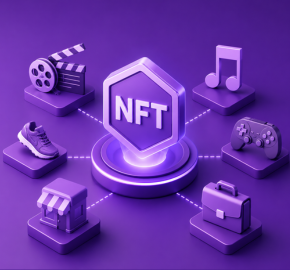
The NFT ecosystem has evolved far beyond digital art and collectibles. Businesses are now using NFTs to create digital ownership models, loyalty programs, gaming assets, memberships, tokenized experiences, intellectual property solutions, and Web3 marketplaces.
For businesses looking to enter this rapidly evolving ecosystem, choosing the right NFT Development Company is an important first step. A professional development partner can help transform an NFT concept into a secure, scalable, and business-ready blockchain solution.
Infograins provides end-to-end NFT Development Services designed for startups, enterprises, creators, gaming companies, marketplaces, and Web3 businesses.
From NFT smart contracts and minting platforms to NFT marketplaces and custom Web3 applications, the right development approach can help businesses build an NFT ecosystem aligned with their specific goals.
What Is an NFT Development Company?
An NFT development company specializes in designing and developing blockchain-based solutions that use non-fungible tokens (NFTs).
Unlike traditional software development, NFT development involves several blockchain-specific components, including smart contracts, token standards, wallets, decentralized applications, blockchain networks, marketplaces, and secure transaction mechanisms.
A professional NFT development company can help businesses with:
NFT strategy and consulting
Custom NFT development
NFT marketplace development
NFT smart contract development
NFT minting platforms
NFT wallet integration
NFT collection development
NFT gaming solutions
NFT DApp development
Web3 integrations
Blockchain integration
NFT platform maintenance and upgrades
The objective is not simply to create an NFT but to develop an entire ecosystem around the business use case.
Why Businesses Are Investing in NFT Development
NFTs provide a blockchain-based method of representing unique digital or physical assets.
Because ownership and transaction information can be recorded on a blockchain, NFTs can support applications that require verifiable ownership, digital scarcity, transferability, and programmable functionality.
Businesses can use NFTs for:
Digital Collectibles
Brands, artists, sports organizations, and entertainment companies can create limited-edition digital collectibles and distribute them through NFT platforms.
Gaming Assets
Game developers can use NFTs to represent characters, weapons, skins, land, collectibles, and other in-game assets.
Memberships
NFTs can function as digital membership passes that provide access to exclusive communities, events, services, or experiences.
Digital Art
Artists and creative businesses can tokenize artwork and provide buyers with blockchain-based ownership records.
Loyalty Programs
Businesses can create NFT-based loyalty programs where customers receive digital assets, rewards, or exclusive benefits.
Real-World Asset Tokenization
NFT technology can also be used to represent ownership or access rights associated with selected real-world assets and experiences.
Our NFT Development Services
As an experienced NFT Development Company, Infograins offers customized solutions based on the project's business model, blockchain network, target audience, and technical requirements.
1. Custom NFT Development
Custom NFT development allows businesses to create NFTs specifically around their products, services, communities, or digital ecosystems.
The development process can include:
NFT architecture
Token standard implementation
Smart contract development
Metadata configuration
Minting functionality
Wallet connectivity
Marketplace integration
Blockchain deployment
Custom development provides greater control over functionality compared with using a ready-made NFT platform.
2. NFT Marketplace Development
An NFT marketplace enables users to create, buy, sell, trade, auction, and manage NFTs.
A custom NFT marketplace can include features such as:
User registration
Crypto wallet integration
NFT minting
NFT listing
Fixed-price sales
Auctions
Bidding
Search and filtering
Creator profiles
Collection management
Royalty mechanisms
Transaction history
Admin dashboard
The marketplace can be customized according to the business model and selected blockchain.
3. NFT Smart Contract Development
Smart contracts are one of the most important components of an NFT ecosystem.
They define how NFTs are created, transferred, sold, and interacted with on the blockchain.
Our NFT smart contract development services can cover:
NFT minting contracts
Ownership management
Royalty logic
Marketplace contracts
Auction contracts
Token transfer functionality
Access-control mechanisms
Custom business logic
Smart contracts should be thoroughly tested before deployment because vulnerabilities can create significant security and financial risks.
4. NFT Minting Platform Development
An NFT minting platform allows creators or users to convert digital assets into blockchain-based NFTs.
Depending on the project, a minting platform can support:
Single NFT minting
Bulk minting
Collection creation
Metadata management
Gas optimization
Wallet integration
Multiple blockchain networks
Automated smart contract interaction
Businesses can create customized minting experiences instead of relying entirely on third-party platforms.
5. NFT Collection Development
Launching a successful NFT collection requires more than generating digital assets.
Our NFT development approach can cover the technical infrastructure required for:
NFT generation
Metadata creation
Trait management
Collection deployment
Smart contracts
Minting mechanisms
Wallet integration
Marketplace integration
For larger collections, the architecture should be designed to handle high transaction volumes and efficient asset management.
6. NFT Wallet Integration
Wallets provide users with a way to connect to blockchain applications and manage their digital assets.
NFT platforms can integrate compatible Web3 wallets to enable users to:
Connect wallets
View NFT ownership
Mint NFTs
Purchase NFTs
Transfer assets
Sign blockchain transactions
The wallet experience should be simple and secure to reduce friction for users unfamiliar with Web3 applications.
7. NFT Gaming Development
NFTs have become an important component of some blockchain gaming ecosystems.
NFT gaming development can involve:
Play-to-earn mechanics
In-game NFT assets
Character NFTs
Digital land
Marketplace integration
NFT trading
Token integration
Smart contracts
Web3 wallet connectivity
The right architecture depends on the game's economy, gameplay mechanics, blockchain requirements, and target audience.
8. NFT DApp Development
A decentralized application can connect NFT functionality with a broader Web3 ecosystem.
An NFT DApp may combine:
Frontend applications
Smart contracts
Blockchain infrastructure
Wallet connectivity
NFT standards
APIs and backend services
This allows businesses to create customized Web3 experiences instead of operating only through traditional NFT marketplaces.
Blockchains for NFT Development
The choice of blockchain can have a major impact on an NFT project's cost, scalability, transaction speed, ecosystem, and user experience.
Depending on project requirements, NFT solutions can be developed using networks such as:
Ethereum
Polygon
BNB Chain
Solana
Avalanche
Arbitrum
Other EVM-compatible networks
There is no single blockchain that is best for every NFT project.
For example, a high-volume gaming application may have different requirements from a premium digital collectibles marketplace.
An experienced NFT development company should evaluate the project's requirements before recommending a blockchain.
NFT Development Process
A structured development process helps reduce technical risks and ensures that the NFT solution is aligned with business objectives.
Step 1: Requirement Analysis
The development team first evaluates the business model, target audience, NFT utility, required features, blockchain requirements, and expected transaction volume.
Step 2: NFT Ecosystem Planning
The architecture of the NFT platform is planned, including smart contracts, frontend, backend, blockchain infrastructure, wallets, marketplaces, and integrations.
Step 3: UI/UX Design
The user interface is designed around the target audience and NFT workflow.
A simple experience is particularly important because blockchain transactions can be unfamiliar to new users.
Step 4: Smart Contract Development
Developers create and test the required smart contracts according to the NFT use case and selected blockchain.
Step 5: Platform Development
The marketplace, minting platform, DApp, dashboard, or other required components are developed and integrated with the blockchain.
Step 6: Testing
The platform undergoes functional, performance, integration, and security testing.
Smart contracts should receive additional testing because deployed blockchain code can be difficult to modify.
Step 7: Deployment
After testing and validation, the NFT solution is deployed to the selected blockchain and production environment.
Step 8: Maintenance and Support
Post-launch support can include upgrades, monitoring, performance optimization, security improvements, and feature enhancements.
How Much Does NFT Development Cost?
The cost of NFT development depends heavily on the project's complexity.
A basic NFT minting platform will generally require a different investment than a full-scale NFT marketplace or blockchain gaming ecosystem.
Factors that influence NFT development cost include:
Number of features
Blockchain network
Smart contract complexity
NFT standards
Marketplace functionality
Wallet integrations
UI/UX requirements
Admin dashboard
Third-party integrations
Security requirements
Testing requirements
Development timeline
Post-launch support
Therefore, instead of using a fixed price for every project, businesses should first define their technical and functional requirements.
How to Choose the Right NFT Development Company
Selecting an NFT development partner requires more than comparing development prices.
Consider the following factors:
Blockchain Expertise
Check whether the development company has experience with the blockchain network you plan to use.
Smart Contract Experience
Smart contracts are central to NFT ecosystems, so developers should understand secure contract architecture, testing, and deployment.
Portfolio
Review previous blockchain, Web3, NFT, marketplace, and DApp projects to evaluate the company's technical capabilities.
Customization
Avoid choosing a provider that simply offers the same NFT platform to every business. Your solution should reflect your specific business model.
Security Approach
Ask about testing, smart contract security, wallet integration, access control, and deployment practices.
Post-Launch Support
NFT platforms may require continuous improvements, monitoring, upgrades, and technical support after launch.
Why Choose Infograins for NFT Development?
Infograins helps businesses build customized blockchain and Web3 solutions based on their specific requirements.
Our NFT development capabilities can help businesses create solutions ranging from individual NFT collections to complete NFT marketplaces and Web3 ecosystems.
Businesses can work with Infograins for:
Custom NFT development
NFT marketplace development
NFT smart contract development
NFT minting platforms
NFT gaming solutions
NFT wallet integration
NFT DApp development
Blockchain integration
Web3 development
NFT platform maintenance
Our development approach focuses on creating scalable architecture, intuitive user experiences, blockchain integration, and business-oriented functionality.
Who Can Benefit From NFT Development Services?
NFT technology can be applied across multiple industries and business models.
Startups
Startups can use NFTs to introduce new digital products, memberships, communities, and Web3 business models.
Enterprises
Enterprises can explore NFT-based loyalty, digital ownership, customer engagement, and tokenization use cases.
Gaming Companies
Gaming businesses can integrate NFTs into selected game economies and digital asset ecosystems.
Artists and Creators
Creators can develop customized NFT platforms for distributing and managing digital assets.
Sports Organizations
Sports organizations can explore NFT-based collectibles, memberships, fan engagement, and digital experiences.
Fashion and Luxury Brands
NFTs can support digital collectibles, authenticity initiatives, exclusive memberships, and digital experiences.
Frequently Asked Questions About NFT Development
What does an NFT development company do?
An NFT development company designs and builds blockchain-based NFT solutions, including smart contracts, NFT marketplaces, minting platforms, wallets, DApps, and customized NFT ecosystems.
How long does it take to develop an NFT platform?
The development timeline depends on the platform's complexity, features, blockchain, integrations, and testing requirements. A basic solution can require significantly less time than a full NFT marketplace or gaming ecosystem.
Which blockchain is best for NFT development?
There is no universal answer. Ethereum, Polygon, Solana, BNB Chain, Avalanche, Arbitrum, and other networks can be suitable depending on factors such as transaction costs, scalability, ecosystem, and project requirements.
Can you build a custom NFT marketplace?
Yes. A custom NFT marketplace can be developed with features such as NFT minting, listings, auctions, bidding, wallet integration, royalties, collections, user profiles, and administration tools.
Can NFTs be integrated into an existing application?
Yes. NFT functionality can be integrated into existing applications through blockchain networks, smart contracts, wallets, APIs, and Web3 technologies.
How much does NFT development cost?
NFT development costs vary according to the project's features, blockchain, smart contract complexity, integrations, UI/UX requirements, security requirements, and development scope.
Build Your NFT Solution With Infograins
NFT technology continues to evolve from simple digital collectibles into a broader infrastructure for digital ownership, Web3 applications, gaming, memberships, marketplaces, and tokenized experiences.
Whether you need a custom NFT development solution, an NFT marketplace, a smart contract, a minting platform, or a complete Web3 ecosystem, choosing the right technical partner can make a significant difference to the project's scalability and long-term success.
Infograins provides end-to-end NFT Development Services tailored to business requirements and Web3 use cases.
Ready to turn your NFT idea into a scalable blockchain solution?
Talk to Infograins about your NFT development project today.