Odoo Integration Services
-

- Published Updated
- 6,045 views
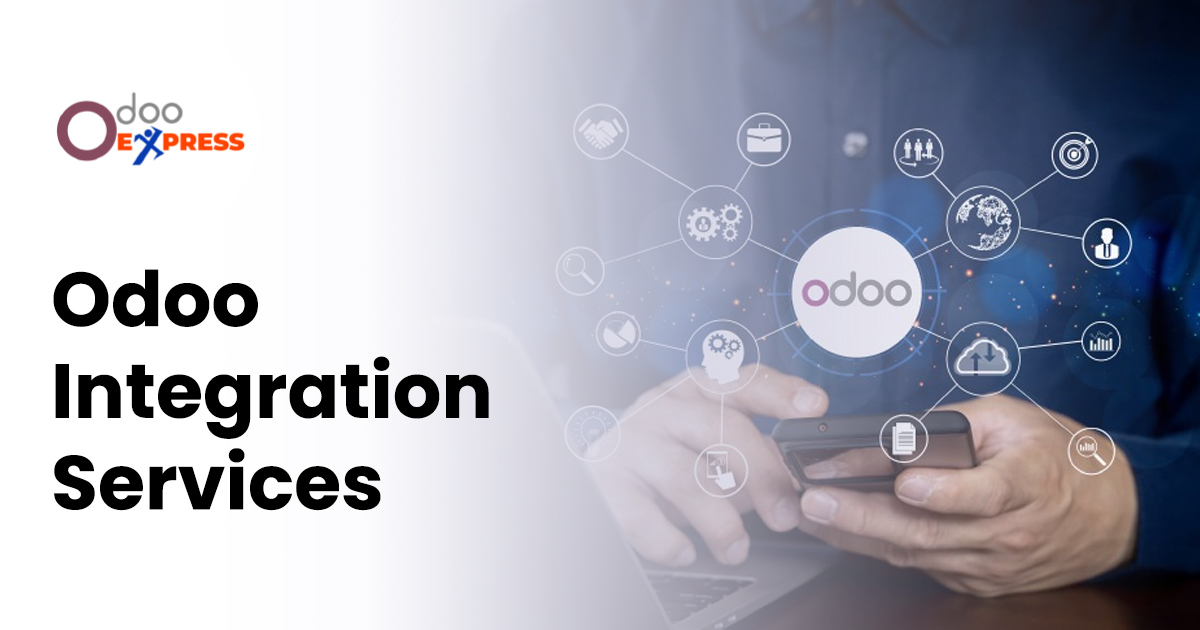
Most businesses run on a messy collection of software. An e-commerce platform here. Accounting tool there. A CRM. A few logistics portals. Each works fine alone. But together? They barely talk.
That silence creates real work. Someone on your team copies order details from the website. Pastes into inventory. Types again into invoicing. It is slow, boring, and exactly where mistakes happen.
This is why professional Odoo Integration Services actually matter. Not as a buzzword. As a practical fix. When done right, they take the burden off your people and let your software carry its own weight.
The Core Problem of Disconnected Systems
Think about what happens when your software does not share data. An order comes in. Now what?
Someone has to manually move that information around. Three times. Maybe four. Each stop is a chance to misread a digit or skip a line. Ship the wrong product. Bill the wrong amount. It happens more often than teams admit. And every fix takes more time than just getting it right the first time.
Then there is the time problem. Your best people, the ones who should be thinking about strategy or helping customers, are doing data entry. Hour after hour. That is expensive. Not just in wages. In missed opportunities.
And good luck getting a straight answer about performance. Sales numbers live in one tool. Financial data in another. Pulling together a simple profit report turns into a Friday afternoon lost in spreadsheets. By the time you have the answer, the question has already changed.
How a Connected Ecosystem Transforms Workflows
Good Odoo integration services flip this around. Instead of your team chasing data between systems, the systems talk to each other directly. You keep the tools you like. They just start sharing.
Take a customer order. The moment someone clicks "buy" on your website, things happen on their own. Inventory updates. An invoice gets created. Shipping options calculate. The CRM logs the interaction. Your staff does nothing. They just watch for anything unusual.
That is the easy part.
It gets better when things change. A customer updates their shipping address through a support ticket. Normally, that means someone manually fixing it in three different places. With integration? The change flows everywhere it needs to go. The warehouse sees it. The carrier gets it. The invoice reflects it. No phone calls. No, "Please hold while I check another system."
Same thing with refunds. Process a return through your payment gateway, and Odoo adjusts the books automatically. No one has to remember to update the ledger later. No one has to dig through emails to find what happened.
Strategic Benefits Beyond Automation
People throw around the word "automation" a lot. But here is what it actually delivers.
You grow without breaking things. Add a new sales channel. Open another warehouse. Start selling in a different country. A connected Odoo setup handles it. Each new tool plugs into the same framework. Nothing collapses. You are not constantly rebuilding how things work.
You stop guessing. Managers waste so much time waiting for reports. With integrated data, you see what is happening right now. Inventory levels. Cash flow. Sales by channel. You spot problems early, like a sudden dip in stock or a payment gateway acting up, and adjust before they hurt you.
Your customers feel the difference. Support agents get tired of clicking through five screens just to answer a simple question. Give them one view with everything: order history, payment status, and tracking info, and suddenly they sound competent. Responses are faster. Answers are accurate. Customers notice that.
Common Integration Points
Not every connection matters equally. Most companies start with these:
- E-commerce platforms like Shopify or Magento. Keep products, prices, and orders in sync without someone manually updating spreadsheets.
- Payment gateways such as Stripe or PayPal. Let transactions reconcile themselves. No more matching numbers across two different dashboards.
- Logistics providers including DHL and FedEx. Generate labels and tracking numbers without copying addresses back and forth.
- CRM and marketing tools like HubSpot. Make sure sales and support see the same customer story. No more "wait, which system has the correct note?"
Long-Term Value
Stop thinking about integration as an expense. Think about what you lose without it. Time. Accuracy. Sanity. A connected system lets your ERP actually work for you instead of sitting there as another thing to manage. That is the whole point. Your business should run better with software. Not become a slave to it.
Conclusion
Here is the truth most vendors will not tell you. Disconnected systems are not a technical problem. They are a drain on your people. Every hour spent copying data is an hour not spent on something useful. Every error from manual entry is a customer interaction that starts with an apology. Integration does not have to be complicated. Start with one connection. Fix the biggest pain point first. Then keep going.