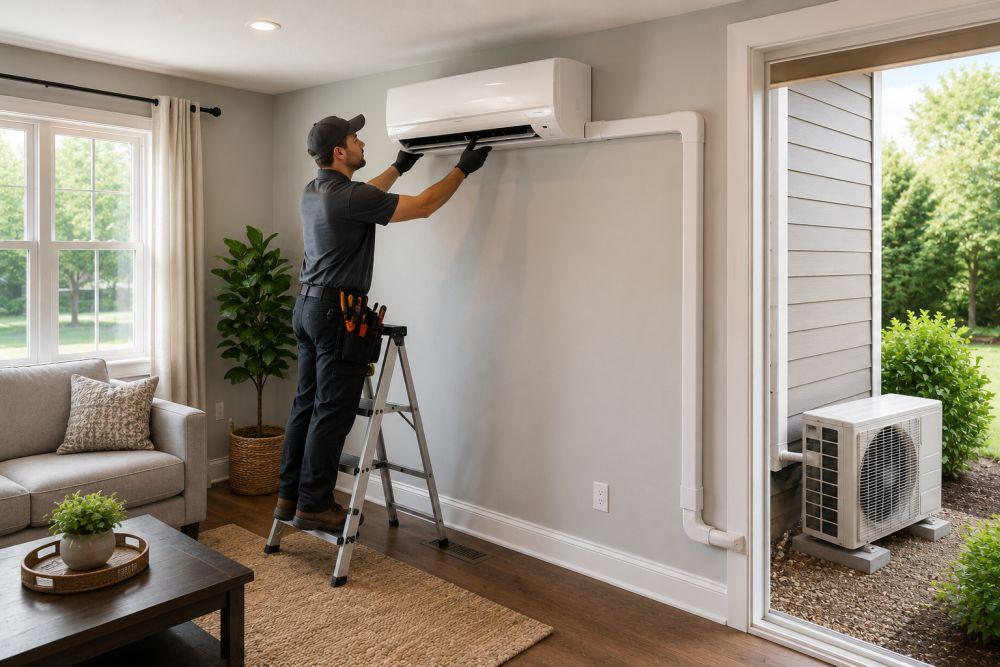
Practical AC Repair Tips for Reliable Home Cooling
-

- February 23rd, 2026
- 1,729 views
Effective AC repair starts with clear diagnostics, basic preventive maintenance, and safe decision-making. This article explains signs that indicate the need for AC repair, simple checks to perform before calling a professional, regulatory considerations, and strategies to reduce future breakdowns.
- Common symptoms: weak cooling, unusual noises, frequent cycling, higher energy use.
- Start with simple checks: filters, thermostat, outdoor unit clearance, breakers.
- Major sealed-system work and refrigerant handling require licensed technicians and EPA certification.
- Regular preventive maintenance reduces the need for emergency AC repair and can improve efficiency.
AC repair: common signs and quick checks
Recognizing early warning signs helps prioritize repairs and avoid larger failures. The following symptoms often indicate a need for AC repair or professional service.
Unusual sounds and smells
Grinding, rattling, hissing, or burning odors can indicate mechanical wear, a refrigerant leak, or electrical issues. Turn the system off and do not run the unit if burning smells or electrical arcing are present; seek a technician.
Weak cooling or uneven temperatures
Duct blockages, dirty coils, low refrigerant, or a failing compressor can cause inadequate cooling or temperature differences between rooms. Simple checks include replacing filters and verifying thermostat settings.
Frequent cycling and rising energy use
Short cycling (frequent on/off cycles) often points to improper refrigerant charge, faulty thermostats, or oversized equipment. A sustained increase in energy consumption without a change in usage patterns can signal declining system efficiency.
Simple troubleshooting and maintenance tasks
Some tasks are safe for homeowners and can resolve minor problems or provide useful information before contacting a professional.
Check and replace air filters
Dirty filters reduce airflow, lower efficiency, and increase wear. Replace or clean filters per the manufacturer's guidance—typically every 1–3 months in many homes.
Inspect the outdoor unit and coils
Clear leaves, vegetation, and debris from around the condenser. Gentle cleaning of fins and coils with a soft brush or low-pressure water can improve heat transfer; avoid straightening fins without proper tools.
Thermostat and electrical checks
Confirm thermostat settings and batteries. Check the circuit breaker for tripped switches. Do not attempt high-voltage electrical work—contact a qualified technician for wiring or contactor replacement.
Drainage and condensate
Clogged condensate drains can cause water damage and secondary issues. Clearing visible obstructions from the condensate pan and drain line may resolve water overflow problems; use caution and avoid chemical treatments without guidance.
When to call a licensed technician
Certified HVAC technicians are needed for complex repairs, sealed-system work, and any task involving refrigerant or major electrical components.
Refrigerant and sealed-system repairs
Handling refrigerants requires EPA certification in the United States and specialized gauges and leak-detection equipment. Repairs to compressors, evaporator coils, and refrigerant lines should be performed by trained technicians.
Electrical and major mechanical failures
Burned wiring, failed motors, and control-board issues present safety risks. Licensed professionals follow local electrical codes and manufacturer procedures for safe replacement and testing.
Warranty, safety and compliance
Warranty terms and local regulations may require authorized service providers for certain repairs. For refrigerant regulations and certification requirements, consult national regulators such as the U.S. Environmental Protection Agency (EPA) and industry standards from ASHRAE.
Cost considerations and documentation
Repair costs vary by problem type, parts availability, equipment age, and regional labor rates. Request written estimates, ask for parts and labor details, and keep service records to help with future maintenance and warranty claims.
Preventive maintenance to reduce repairs
Scheduled maintenance improves reliability and efficiency. Typical measures include: seasonal inspections, coil cleaning, refrigerant checks, airflow verification, and calibration of controls. Energy efficiency and long-term performance are supported by following guidance from energy and building authorities; for more on efficiency measures, see the Department of Energy's resources on air conditioning and heat pumps (Department of Energy: Air Conditioning).
Final safety reminders
Prioritize safety: disconnect power before inspecting equipment, avoid touching electrical components, and avoid DIY refrigerant handling. If any inspection reveals electrical burning, refrigerant odor, or refrigerant pooling, stop and contact a licensed service provider.
FAQ
How quickly should signs of AC repair be addressed?
Minor symptoms such as a dirty filter or thermostat issue can be resolved quickly and may not require immediate professional service. Progressive symptoms—loss of cooling, electrical smells, visible refrigerant leaks, or water damage—should be addressed promptly to avoid larger failures and higher costs.
Can routine maintenance prevent AC repair needs?
Yes. Regular filter changes, annual inspections, and cleaning of coils and drain lines reduce component stress and help maintain efficiency. Preventive maintenance is widely recommended by HVAC professionals and standards organizations like ASHRAE.
Is DIY refrigerant work allowed?
No. Handling or purchasing refrigerants for service typically requires certification under regulations such as the EPA's Section 608 in the United States and similar rules elsewhere. Licensed technicians have the necessary training, tools, and certifications.
What factors influence AC repair cost and lifespan?
System age, maintenance history, equipment quality, operating environment, and frequency of use all affect repair frequency and cost. Documenting service history and performing routine maintenance helps inform repair decisions and replacement timing.