Small Business Loans Explained: Types, Qualification, Rates & Alternatives
-

- Published Updated
- 1,218 views
Small business loans are a common way for entrepreneurs and small companies to obtain capital for startup costs, working capital, equipment purchases, inventory, or expansion. This guide explains the main types of small business loans, how lenders evaluate applications, typical costs and terms, and alternatives to traditional financing.
- Types include term loans, lines of credit, equipment loans, invoice financing, microloans, and government-backed loans.
- Lenders evaluate credit history, cash flow, collateral, business history, and industry risk.
- Costs vary by lender type: banks often offer lower interest rates; online lenders can be faster but more expensive.
- One official resource for information and some loan programs is the Small Business Administration (SBA).
Understanding Small Business Loans
Small business loans come from a variety of lenders, including commercial banks, credit unions, online lenders, community development financial institutions (CDFIs), and microlenders. Government-backed loan programs, most notably those administered through the Small Business Administration, can make funding more accessible by reducing lender risk. Regulatory bodies such as the Consumer Financial Protection Bureau (CFPB) and research from the Federal Reserve provide context on lending practices and borrower protections.
Common loan types
- Term loans: Lump-sum funds repaid over a set period with fixed or variable interest.
- Lines of credit: Revolving access to funds up to a limit; interest is paid only on amounts used.
- Equipment loans: Financing tied to machinery or technology; the equipment often serves as collateral.
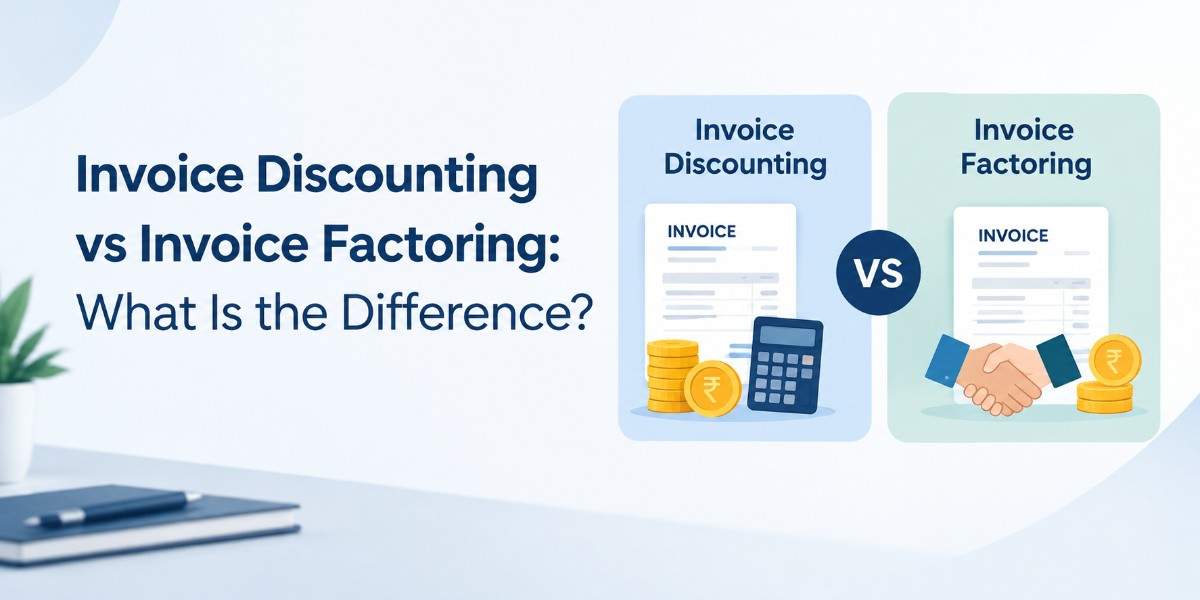
- Invoice financing / factoring: Advances against unpaid invoices to improve cash flow.
- Microloans: Small, short-term loans often provided by non-profit lenders or community programs.
- Merchant cash advances and alternative finance: Upfront lump sums repaid via a percentage of future sales or daily withdrawals; typically higher cost.
- Government-backed loans: Programs that guarantee part of the loan to reduce lender risk, which can expand access for qualifying borrowers.
Key loan features to compare
When comparing offers, typical features to review include interest rate (or APR), loan term, repayment schedule, origination or processing fees, prepayment penalties, collateral requirements, and whether a personal guarantee is required. The total cost of credit includes fees and compounding effects of the interest rate over time.
How Lenders Evaluate Applications
Lenders use a mix of quantitative and qualitative factors when reviewing small business loan applications. Understanding these can help identify realistic funding options.
Primary evaluation criteria
- Credit history: Business and often personal credit scores are reviewed to assess past repayment behavior.
- Cash flow and revenue: Documents showing consistent inflows and the ability to service debt, such as bank statements and profit-and-loss statements.
- Time in business: Many lenders prefer businesses with an operating history; startups may face stricter terms or need a qualified guarantor.
- Collateral and guarantees: Tangible assets or personal guarantees can improve approval odds or lower rates.
- Industry and business plan: Lenders consider sector risk and how the funds will be used; a clear plan and financial projections can strengthen an application.
Documents commonly requested
Typical documentation includes business tax returns, recent personal tax returns, bank statements, business licenses, articles of organization, accounts receivable aging, and financial statements (balance sheet, income statement). Specific programs may require additional paperwork.
Costs, Rates, and Repayment
Interest rates and fees vary widely by lender type, loan structure, borrower creditworthiness, and market conditions. Traditional banks generally offer lower nominal interest rates and fees but may have stricter underwriting standards. Online and alternative lenders may approve loans faster but at higher costs. APR (annual percentage rate) provides a more complete measure of cost by combining interest and fees.
Factors that affect price
- Borrower credit profile and business financials
- Loan size and repayment term
- Secured vs. unsecured structure
- Market interest rate environment
Alternatives to Traditional Loans
Options beyond standard loans include investor capital (angel or venture investment), crowdfunding platforms, merchant cash advances, invoice factoring, leasing equipment instead of buying, and grants from public or private programs. Each alternative has trade-offs related to cost, ownership dilution, speed, and eligibility.
When to consider alternatives
Alternatives may be suitable when credit access is limited, when speed is essential, or when non-debt financing (equity) better matches growth objectives. Review long-term implications such as equity dilution or ongoing revenue shares before proceeding.
Preparing to Apply and Choosing a Lender
Comparison shopping is important. Request Loan Estimates or term sheets from multiple lenders and compare APR, total fees, repayment schedule, and any covenants. Consider lenders’ turnaround time, customer service, and experience with the borrower’s industry. For official program details and eligibility criteria, consult the Small Business Administration for resources on certain guaranteed loan programs and counseling services (SBA).
Next steps before applying
- Organize financial documents and bank statements for the prior 12–24 months.
- Prepare a concise business summary or plan that explains the purpose of the loan and projected financial impact.
- Obtain any required licenses or registrations that demonstrate legal operation.
- Consider seeking input from an accountant, attorney, or small business counselor for complex transactions.
Risks and Consumer Protections
Loan terms can include high fees, variable repayment mechanisms, or personal liability through guarantees. Consumer protection and small business lending rules vary by jurisdiction; regulatory agencies such as the CFPB collect complaints and information about lending practices. Reading all loan documents closely and understanding default consequences is critical for informed decision-making.
FAQ
What are small business loans and how do they differ?
Small business loans are debt products designed to provide capital to businesses. They differ by structure (term loan vs. line of credit), collateral requirements, repayment schedule, interest rate, and the type of lender. Government-backed loans often carry different underwriting rules and guarantees compared with private commercial loans.
How does a business qualify for a loan?
Qualification typically requires sufficient cash flow to repay the loan, acceptable credit history, appropriate documentation (tax returns, financial statements), and sometimes collateral or a personal guarantee. Specific criteria vary by lender and program.
What interest rates and fees should be expected?
Rates and fees vary by lender type, borrower creditworthiness, and market conditions. Traditional banks generally offer lower rates; online and alternative lenders may charge higher rates and additional origination or servicing fees. Comparing APRs helps evaluate total cost.
What documents are usually required when applying?
Common documents include business and personal tax returns, recent bank statements, financial statements, business licenses, and proof of identity. Some lenders require contracts, invoices, or equipment quotes for specific loan types.
Are there government-backed small business loan programs?
Yes. Various programs provide guarantees or direct lending to reduce lender risk and expand access. Details and eligibility criteria are available from official resources such as the Small Business Administration.
Where can more official information be found?
Official information about federal loan programs, counseling, and resources is available from the Small Business Administration and through local small business development centers. Regulatory and consumer protection information may be found via the Consumer Financial Protection Bureau and Federal Reserve publications.