Smart Packaging and Track-and-Trace: Transforming Pharmaceutical Supply Chains
-

- February 23rd, 2026
- 1,283 views

FREE SEO Topical Map Generator: Find Your Next Content Ideas
Smart packaging track-and-trace systems are advancing how pharmaceuticals are manufactured, distributed, and dispensed by combining sensors, identifiers and digital records to improve visibility and reduce counterfeit risk. This article explains core technologies, regulatory context, practical benefits and implementation considerations for the pharmaceutical sector.
Smart packaging integrates identifiers (QR codes, RFID), sensors (temperature, tamper), and connectivity (IoT, blockchain) to enable end-to-end track-and-trace in pharmaceutical supply chains. Benefits include improved patient safety, regulatory compliance, anti-counterfeiting, and supply chain efficiency. Adoption requires attention to standards, data governance and costs.
How smart packaging track-and-trace works
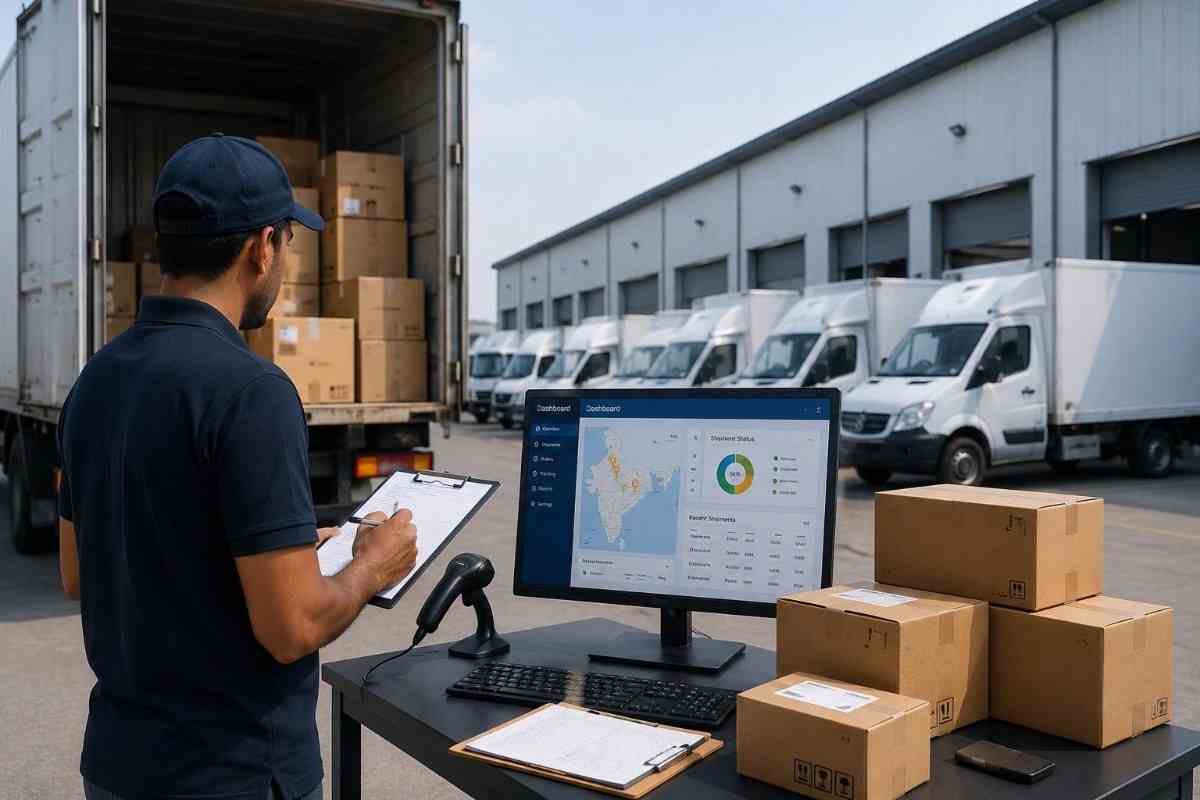
Track-and-trace for pharmaceuticals relies on unique product identifiers (serialization), physical or electronic tags, and a digital infrastructure that records events across the supply chain. At the item level, serialization assigns a unique code to each package. That code can be encoded in a 2D barcode, QR code, linear barcode, NFC tag or RFID transponder. Scanning or reading that identifier at production, distribution and dispensing points creates an auditable event history.
Key components of smart packaging systems
Unique identifiers and serialization
Serialization ensures every saleable unit has a unique serial number, often following GS1 standards. Aggregation links units to secondary packaging and pallets so events at higher packaging levels roll up to the contained items.
Sensors and environmental monitoring
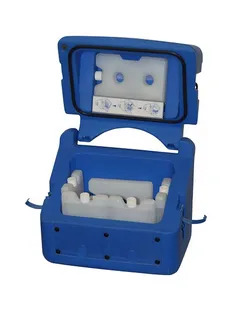
Temperature, humidity and shock sensors embedded in packaging support cold chain integrity for vaccines and biologics. Real-time telemetry via Bluetooth, cellular or LoRaWAN can alert stakeholders to excursions and preserve clinical effectiveness.
Connectivity and data platforms
Cloud platforms, APIs and distributed ledgers (blockchain) enable secure event recording, access controls and interoperability between manufacturers, wholesalers, pharmacies and regulators. Event data typically includes time-stamped scans, GPS location, sensor readings and custodial transfers.
Anti-tamper and authentication features
Tamper-evident seals, printed overt and covert markings, and cryptographic authentication help detect counterfeits and tampering. Combining physical security features with digital verification improves confidence at points of care.
Benefits for pharmaceutical companies and patients
Improved patient safety and product integrity
Tracking cold chain conditions and chain-of-custody reduces the risk of compromised medicines reaching patients. Real-time alerts enable corrective action before distribution continues.
Counterfeit reduction and authentication
Serial numbers and verification services allow pharmacies and patients to confirm legitimacy. This helps reduce public health risks from falsified medicines.
Regulatory compliance and reporting
Serialization and traceability assist compliance with regulations such as the U.S. Drug Supply Chain Security Act (DSCSA) and parallel EU requirements. Recordkeeping simplifies recalls, investigations and audits.
Operational efficiency and analytics
Automation of scans, exception handling and inventory reconciliation cuts manual errors and reduces shrinkage. Aggregated trace data supports demand forecasting and route optimization.
Implementation challenges and considerations
Standards and interoperability
Adhering to GS1 identifiers, serialization protocols and transport standards helps systems interoperate across trading partners. Planning must include data formats, message schemas and version control.
Data privacy and governance
Trace data can contain sensitive business and patient-related information. Policies for access control, encryption, retention and cross-border data transfers are essential to meet regulatory and contractual obligations.
Cost, scalability and change management
Upfront costs for printing equipment, readers, sensors and IT integration can be significant. Pilots that demonstrate return on investment (fewer recalls, reduced counterfeiting, improved inventory turns) help justify scale-up.
Regulatory context and standards
Track-and-trace initiatives are driven by regulators to secure medicine supply chains. In the United States, the Drug Supply Chain Security Act (DSCSA) outlines a phased implementation of serialization and interoperable electronic tracing; details are available from the U.S. Food and Drug Administration
FDA: Drug Supply Chain Security Act (DSCSA)
Other authorities such as the European Medicines Agency (EMA) and the World Health Organization (WHO) publish guidance on falsified medicines, serialization and good distribution practices. Standards bodies like GS1 provide identifier schemas and data standards that support interoperability.
Practical use cases
Cold chain vaccines and biologics
Temperature-sensing smart packaging with telemetry prevents distribution of heat-exposed vaccines by logging excursions and enabling quarantine before dispensing.
Anti-counterfeit verification at pharmacies
Pharmacies can scan a code at receipt or sale to confirm origin and status, blocking suspicious units and reporting events to manufacturers or regulators.
Recall targeting and patient notifications
Item-level trace data enables precise recalls that target affected batches and serial numbers, reducing waste and improving patient communication.
Adoption roadmap for organizations
Pilot, evaluate, scale
Begin with pilot programs for high-risk products or corridors, measure KPIs (shrinkage, recall time, compliance costs) and scale with standardized processes and partner onboarding.
Partner collaboration and training
Engage distributors, wholesalers and pharmacies early. Provide clear technical specifications, testing windows and training for scanning and exception handling.
Conclusion
Smart packaging combined with robust track-and-trace creates a more transparent, resilient and secure pharmaceutical supply chain. When implemented with standards, data governance and stakeholder alignment, these technologies reduce counterfeit risk, protect patients and streamline regulatory compliance.
Frequently asked questions
What is smart packaging track-and-trace?
Smart packaging track-and-trace is the integration of unique identifiers, sensors and connected data platforms to record the history and condition of pharmaceutical products from manufacture to dispensing, enabling verification, monitoring and recall support.
How do sensors in smart packaging protect the cold chain?
Embedded temperature and humidity sensors log environmental conditions during transport and storage. When connectivity is available, these sensors can send real-time alerts to stakeholders to prevent distribution of compromised products.
Are there standards for serialization and identifiers?
Yes. GS1 provides widely adopted standards for identifiers and data formatting. National regulations also specify serialization requirements and timelines that manufacturers and wholesalers must follow.
Can smart packaging help with recalls?
Item-level traceability enables targeted recalls by identifying exactly which units and supply chain legs are affected, reducing product waste and speeding patient notifications.