SSC CPO 2026 Preparation: A Simple Strategy to Prepare Smarter
-

- Published Updated
- 32 views
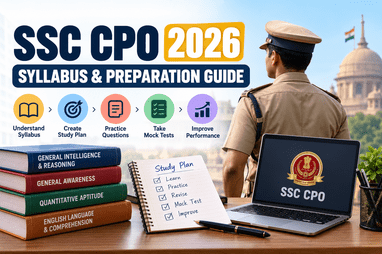
Preparing for SSC CPO 2026 requires a structured approach rather than simply studying for long hours. Candidates need to understand the syllabus, divide topics into manageable targets, practice questions regularly, and revise consistently. A well-planned preparation strategy can make it easier to identify weak areas and improve performance over time.
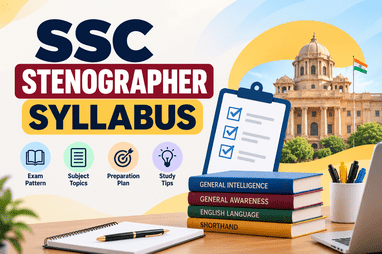
Candidates who want to understand the topics and structure of the examination can refer to this detailed resource before creating their study plan:
https://ifasonline.com/ssc-exam/ssc-cpo-syllabus/69e74ac7dee415247300a51f/6aa2471a374c4b6a41f754b8/69e74b54dee415247300a5d2
Once the syllabus is clear, preparation becomes much easier to organize. Instead of studying randomly, candidates can divide the required subjects into weekly and daily targets.
Understand the SSC CPO Syllabus First
The first step in SSC CPO preparation should be understanding what needs to be studied. Going through the syllabus helps candidates identify the major subjects, important topics, and areas that may require additional practice.
Avoid starting with random study materials without knowing where they fit into your preparation. A syllabus-based approach helps create a clear roadmap and reduces the chances of leaving important topics incomplete.
Divide larger subjects into smaller sections and set realistic completion targets. For example, instead of planning to complete an entire subject in a few days, break it into individual topics and combine learning with practice.
Create a Realistic SSC CPO Study Plan
A good study plan should balance concept learning, question practice, revision, and testing. Spending an entire day reading concepts without solving questions may not produce the desired improvement.
A weekly routine can include:
Monday: Concept learning and topic-wise practice
Tuesday: Reasoning and problem-solving practice
Wednesday: General awareness and revision
Thursday: English language and comprehension practice
Friday: Mixed question practice
Saturday: Revision and weak-topic improvement
Sunday: Mock test and performance analysis
The schedule can be modified according to individual strengths, weaknesses, and available study hours.
Practice Questions Regularly
Question practice is an important part of competitive examination preparation. After studying a topic, candidates should solve relevant questions to check whether they can actually apply the concept.
Begin with topic-wise questions and gradually move toward mixed practice sets. Keep a record of questions that were answered incorrectly or took too much time.
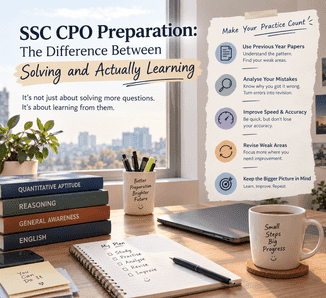
This mistake log can become a valuable revision resource later. Instead of repeatedly studying everything, candidates can focus on the concepts and question types where they are making mistakes.
Use Mock Tests to Measure Progress
Mock tests provide an opportunity to practice under time constraints and understand how effectively you are managing the examination.
However, simply completing mock tests is not enough. The real benefit comes from analyzing the results.
After every test, check:
Which questions were answered incorrectly?
Which topics caused difficulty?
Which sections consumed the most time?
Were mistakes caused by weak concepts or lack of attention?
Which areas need additional practice?
Regular analysis can help candidates gradually improve both accuracy and speed.
Make Revision a Regular Habit
Revision should not be postponed until the final stage of preparation. Topics studied several weeks earlier can easily become difficult to recall without regular revision.
Create short notes for important concepts, formulas, vocabulary, facts, and frequently repeated mistakes. Set aside dedicated revision sessions every week.
A useful approach is to combine new learning with older topics. For example, a study session can include one new topic followed by a short revision of previously completed material.
Improve Accuracy and Time Management
SSC CPO preparation requires candidates to solve questions efficiently. Speed is important, but it should not come at the cost of accuracy.
During the initial stages, focus on understanding questions and solving them correctly. Once accuracy becomes consistent, introduce timed practice to gradually improve speed.
Mock tests and sectional tests can help candidates understand which types of questions take longer than expected. With regular practice, candidates can develop better question-selection and time-management habits.
Track Your Preparation
Tracking progress makes preparation more measurable. Maintain a simple record of completed topics, practice sessions, mock-test scores, revision status, and weak areas.
At the end of every week, review what was completed and what remains pending. If a particular topic requires more time, adjust the following week's schedule rather than allowing unfinished portions to accumulate.
The goal should be consistent progress rather than trying to follow an unrealistic timetable perfectly.
Common SSC CPO Preparation Mistakes
Some common mistakes can make preparation less effective. These include studying without referring to the syllabus, relying only on theory, avoiding mock tests, skipping revision, and spending too much time on a single difficult topic.
Another common mistake is focusing only on test scores. A lower score can actually be useful if the candidate carefully analyzes the mistakes and uses the findings to improve future performance.
Final Thoughts
SSC CPO 2026 preparation becomes more manageable when it is approached systematically. Start by understanding the syllabus, create achievable study targets, practice questions consistently, revise important topics, and use mock tests to measure improvement.
A good preparation strategy is not about studying continuously. It is about making each study session purposeful and tracking whether your efforts are actually improving accuracy, speed, and confidence.
Candidates can use the SSC CPO syllabus resource mentioned above as a starting point and build their individual preparation plan around the topics they need to cover.