Third-Party Manufacturing Strategies for Cost-Effective Pharmaceutical Production
-

- Published Updated
- 1,285 views

Introduction
Third-party manufacturing is a common strategy for pharmaceutical companies seeking to reduce capital expenditure, speed time to market, and access specialized production capabilities. Contract manufacturing can cover active pharmaceutical ingredients (APIs), formulation, aseptic filling, packaging, and secondary operations while allowing companies to focus on research, marketing, and regulatory activities.
- Third-party manufacturing (contract manufacturing) can lower fixed costs and accelerate scale-up.
- Key considerations include quality systems, regulatory compliance, supply continuity, and intellectual property protection.
- Due diligence, clear contracts, and performance KPIs help manage risks and realize cost benefits.
Benefits of Third-Party Manufacturing for Pharmaceutical Cost Management
Using third-party manufacturing can reduce capital investments in facilities and equipment, convert fixed costs into variable costs, and leverage existing expertise in Good Manufacturing Practice (GMP) production. Contract manufacturing organizations (CMOs) and contract development and manufacturing organizations (CDMOs) often provide specialized services—such as sterile filling, lyophilization, or biologics processing—that would be cost-prohibitive to build in-house. Economies of scale at a CMO can lower per-unit costs for smaller or intermittent production runs.
Common Cost Drivers and Savings Opportunities
Capital and operating expenditure
Third-party manufacturing removes the need for large upfront capital expenditure on factories and equipment. Outsourcing can also reduce ongoing operating costs such as facility maintenance, utilities, and workforce training.
Technology and expertise
Specialized CMOs may offer process development, analytical testing, and technical know-how that shorten development timelines and reduce trial-and-error production costs. Access to validated processes and experienced personnel can prevent costly production setbacks.
Supply chain and procurement
Established manufacturers often have existing supplier relationships and bulk purchasing power for excipients, primary packaging, and raw materials, which may yield lower material costs and more reliable supply chains.
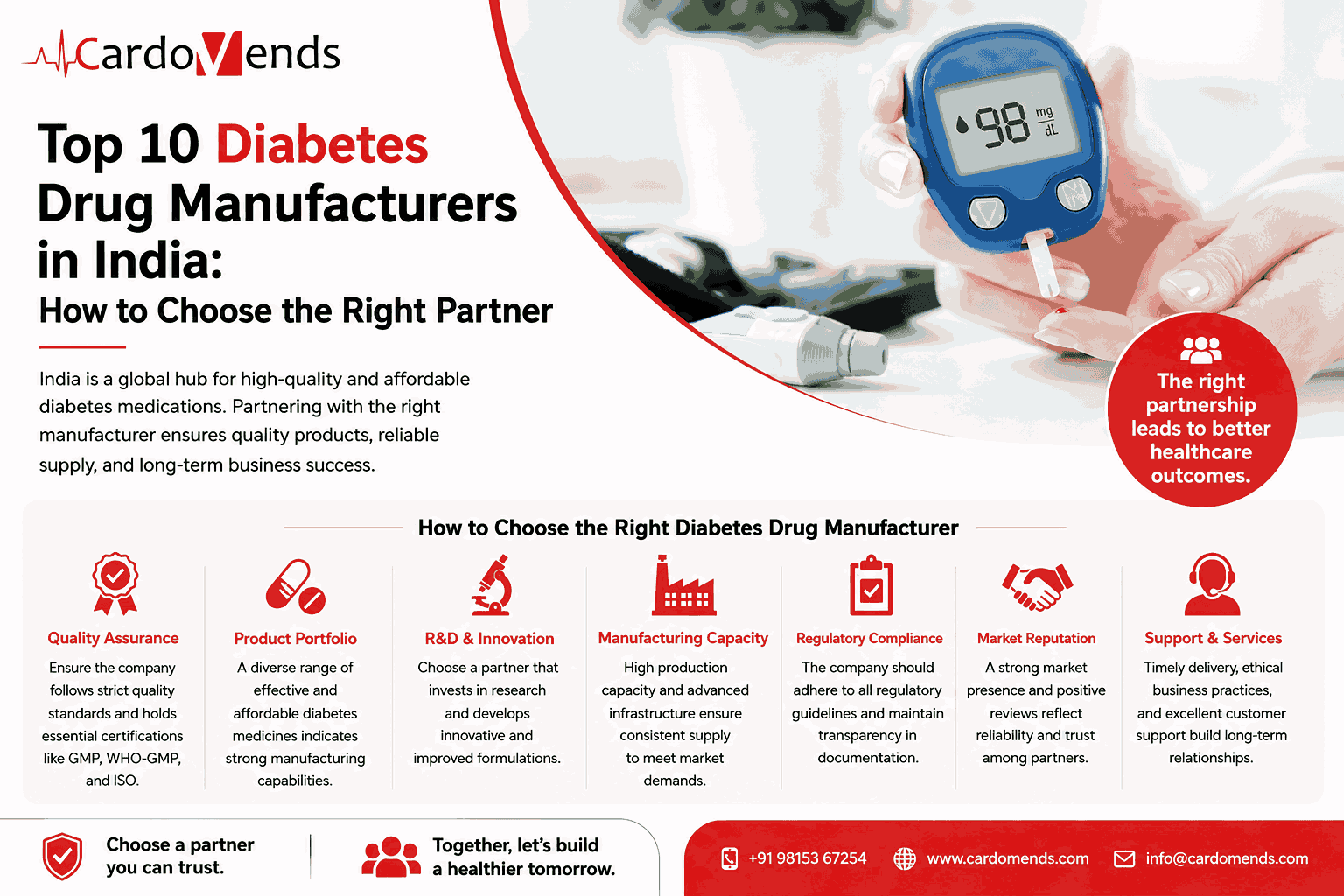
How to Choose a Third-Party Manufacturing Partner
Regulatory compliance and quality systems
Evaluate a partner's quality management system, regulatory inspection history, and GMP certifications. Review audit reports, quality agreements, deviation and CAPA procedures, and analytical method validation to confirm capabilities match product requirements.
Manufacturing capabilities and capacity
Match technical capabilities—such as dosage form expertise, sterile manufacturing, biosafety levels, and packaging formats—to product needs. Confirm available capacity for forecasted volumes and flexibility for scale-up or seasonal demand.
Data integrity and technology transfer
Assess processes for technology transfer, batch record completeness, electronic systems, and data integrity controls. Clear transfer plans and acceptance criteria reduce the risk of production delays and costly rework.
Quality, Compliance, and Regulatory Considerations
Maintaining regulatory compliance is essential when outsourcing production. Regulatory authorities expect the marketing authorization holder to ensure product quality regardless of where manufacturing occurs. Inspect a partner's compliance history with regulators and confirm procedures for handling regulatory inspections, product recalls, and pharmacovigilance coordination. Guidance from regulators such as the U.S. Food and Drug Administration is relevant when assessing safety and GMP expectations: U.S. Food and Drug Administration.
Stability, testing and release
Agree on release testing, stability protocols, and stability storage responsibilities. Ensure aligned specifications and acceptance criteria in the quality agreement to avoid disputes during product release.
Inspection readiness
Confirm that the partner is inspection-ready and that processes are in place to support regulatory audits. Joint mock audits and corrective action planning can strengthen preparedness.
Contracts, Pricing Models, and Risk Management
Contract types and pricing
Common arrangements include fee-for-service, fixed-price per batch, and long-term supply agreements with volume-based pricing. Pricing should reflect responsibilities for raw materials, testing, change control, and validation.
Quality agreements and intellectual property
Quality agreements should define roles, specifications, change control, complaint handling, recall procedures, and data ownership. Robust confidentiality and IP protection clauses reduce the risk of proprietary process exposure.
Supply continuity and contingency planning
Plan for dual sourcing, safety stock, and alternative supply routes to minimize disruption. Include service-level agreements (SLAs) and penalties for missed delivery milestones where appropriate.
Operational Best Practices to Realize Cost Savings
Performance metrics and governance
Track KPIs such as on-time delivery, batch quality yield, deviation rates, and cost per unit. Establish a governance forum with regular performance reviews and escalation pathways for issues.
Continuous improvement
Collaborate on process optimization, waste reduction, and energy efficiency initiatives. Joint investments in process improvements can share costs and benefits across both parties.
Conclusion
Third-party manufacturing can provide cost-effective solutions for pharmaceutical production when partners are selected carefully and contracts clearly allocate responsibilities. Emphasizing regulatory compliance, quality systems, and supply continuity helps preserve product integrity while unlocking financial and operational advantages.
Frequently Asked Questions
What is third-party manufacturing and how does it reduce costs?
Third-party manufacturing, often provided by CMOs or CDMOs, reduces costs by avoiding capital investment in facilities, leveraging specialist expertise and equipment, and benefiting from suppliers' purchasing power and established processes.
How important is GMP certification when selecting a contract manufacturer?
GMP certification and a strong quality management system are fundamental. They demonstrate the manufacturer's ability to produce safe, consistent product and to meet regulatory expectations during inspections.
Can outsourcing manufacturing affect intellectual property?
Outsourcing can expose proprietary processes or formulations. Use comprehensive confidentiality agreements, define IP ownership in contracts, and limit access to sensitive process details where possible.
What contract terms help ensure supply continuity?
Include SLAs, agreed lead times, safety stock levels, escalation procedures, and contingency plans such as alternative sourcing or dual manufacturing sites to mitigate supply disruption risk.