How to Choose the Best Truckee Architectural Photographer: Practical Tips & Checklist
-

- March 08th, 2026
- 463 views
Finding the right Truckee architectural photographer means balancing technical skill, portfolio fit, and clear deliverables. This guide explains how to evaluate candidates, what to ask, and how to avoid common hiring mistakes so projects finish on time and on brief.
How to choose the best Truckee architectural photographer
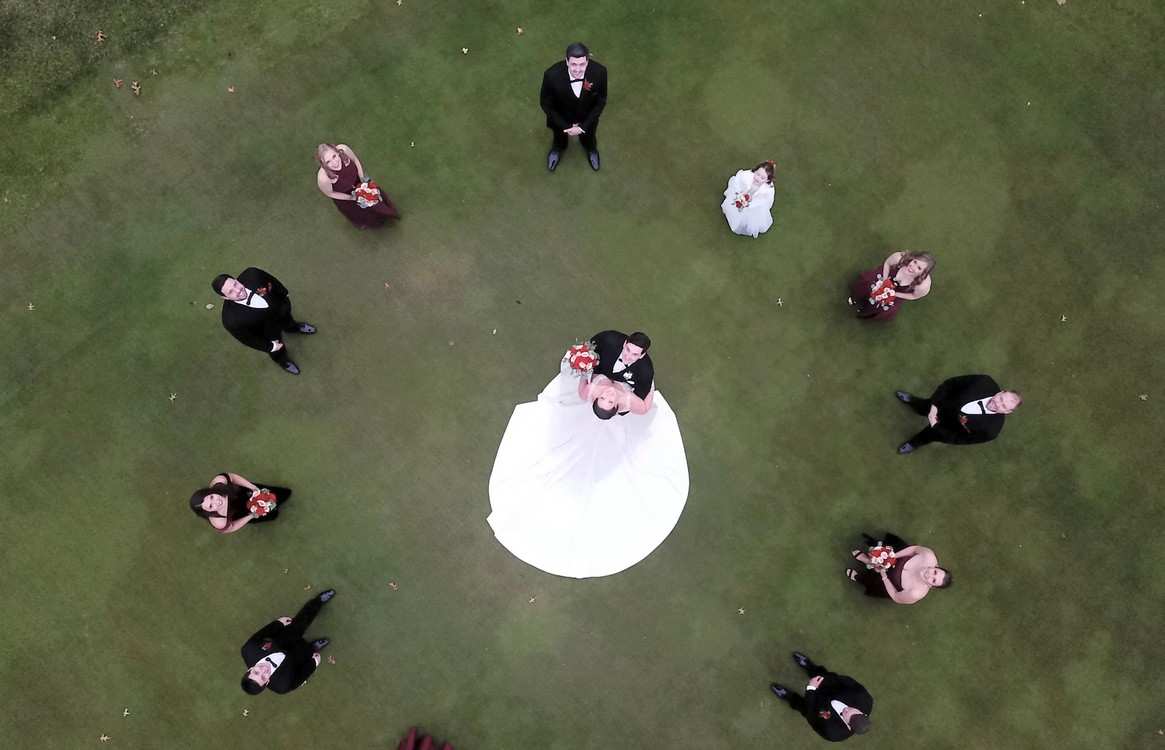
Begin by searching portfolios for work that matches the property type—mountain custom homes, modern cabins, or historic downtown storefronts—and confirm technical quality (lighting, composition, straight lines, and corrected perspective). A Truckee architectural photographer should demonstrate exterior and interior work, HDR and natural-light skill, and (when needed) drone or twilight capability.
Key criteria to evaluate
Portfolio relevance and image quality
Inspect full project galleries, not just hero images. Look for consistent handling of exposure, color accuracy, perspective correction, and scale. Compare images against the property's style and materials so the photographer's aesthetic complements the architectural intent.
Deliverables, licensing, and rights
Confirm file types (JPEG, TIFF, RAW), resolution, retouching level, and usage rights. For commercial or publication use, require a written license specifying territory, duration, and permitted uses. For legal clarity about copyright and licensing basics, consult the U.S. Copyright Office: copyright.gov.
Technical skills and equipment
Verify experience with architecture-specific techniques: tilt-shift or software perspective correction, focus stacking for interiors, drone operation with Part 107 compliance, and controlled lighting for difficult interiors. Ask whether the photographer shoots RAW and can deliver color-calibrated files.
Timeline, communication, and post-production
Confirm scheduling flexibility for seasonal light, expected turnaround for proofs and final images, and revision limits. Clear milestones—onsite shoot, proof review, final delivery—reduce confusion on large projects.
FRAME checklist: a decision model
Use this quick framework to score candidates consistently.
- Fit — Does the portfolio match property type and design intent?
- Results — Are images technically and aesthetically consistent?
- Availability — Can the photographer meet scheduling and timeline needs?
- Method — What gear and processes are used (drone, HDR, tilt-shift)?
- Estimates — Are fees, licensing, and extra costs transparent?
Short real-world scenario
Scenario: A design firm in Truckee needs a twilight exterior and three interior room shots for a modern mountain home brochure. Using the FRAME checklist, choose a photographer with strong twilight exterior work, evidence of interior color accuracy, available drone skills (for site context), and a clearly written usage license covering print and web. Request a short test shot or small paid trial to confirm workflow before committing the full job.
Practical tips for hiring
- Request a full gallery from a completed project similar to the assignment—look for before/after examples that show perspective correction.
- Ask for an itemized quote: shoot time, editing hours, travel, drone/operator fees, and usage license costs.
- Specify deliverable specs up front: image dimensions, color profile (sRGB or Adobe RGB), and whether layered files or RAW are required.
- Agree on revision rounds and a delivery schedule in writing to avoid scope creep.
- Check references or reviews from local architects, builders, or designers familiar with Truckee projects.
Trade-offs and common mistakes
Trade-offs
Higher rates often reflect experience, faster turnaround, and stronger post-production skills, but budget photographers can be suitable for basic documentation. Drone-capable shooters add value for site context but raise cost and scheduling constraints (weather, FAA compliance).
Common mistakes
- Hiring solely on price without reviewing full project galleries.
- Failing to specify usage rights, leading to extra fees later for wider distribution.
- Not confirming turnaround time during seasonal peak periods when daylight hours and weather windows are limited.
Selection and contracting steps
- Shortlist 3–5 photographers using the FRAME checklist and portfolios.
- Request itemized proposals with sample schedules and licensing terms.
- Confirm insurance (general liability, equipment) and, if drones are used, proof of licensing.
- Sign a written agreement that includes scope, deliverables, payment schedule, and a usage license.
Core cluster questions
- What should be included in an architectural photography contract?
- How to evaluate an architectural photographer's portfolio?
- When is drone photography necessary for architecture projects?
- How does licensing affect image use in marketing materials?
- What are realistic turnaround times for an architectural shoot?
Frequently asked questions
How much does a Truckee architectural photographer charge?
Rates vary by experience, scope, and deliverables. Expect per-image pricing for small documentation jobs, half-day or full-day day rates for larger shoots, and separate charges for drone operation, twilight shoots, or advanced retouching. Always request an itemized quote.
What should a licensing agreement include?
Include permitted uses (web, print, ads), territory, duration, exclusivity, file formats, credit requirements, and fees for extended use. Clear licensing prevents disputes when images are published broadly.
Can a photographer provide RAW files and are they necessary?
RAW files preserve maximum image data for heavy retouching and future edits. For many marketing uses, high-resolution JPGs are sufficient. Specify RAW delivery in the contract if archival editing is needed.
How to evaluate portfolio technical quality?
Look for straight lines and corrected perspective, consistent exposure across scenes, accurate color rendering, and attention to scale and material detail. Full project galleries reveal consistency more than single highlight images.
What questions should be asked before booking?
Ask about scheduling windows, equipment list, proofing process, revision policy, licensing terms, insurance, and examples of similar past projects. A concise checklist avoids surprises on the shoot day.