Top Spa Treatments to Smooth Uneven Skin Texture: A Practical Med Spa Guide
-
- March 23rd, 2026
- 287 views

Get a free topical map and start building content authority today.
Uneven skin texture is a common cosmetic concern that responds to a range of professional options. This guide explains spa procedures for uneven skin texture, how they work, typical recovery, and which results to expect. Claimed outcomes depend on condition severity, skin type, and treatment sequencing.
- Detected intent: Informational
- Primary takeaway: Resurfacing and collagen-stimulating treatments—like chemical peels, microneedling, and laser—are the backbone of smoothing texture.
- Use the 3R SmoothSkin Framework (Resurface, Rebuild, Restore) to plan phased care and recovery.
Best spa procedures for uneven skin texture
Choosing among spa procedures for uneven skin texture requires matching the treatment to the root cause: textural roughness from sun damage, enlarged pores, acne scarring, or loss of collagen. Medical spa skin resurfacing treatments range from superficial peels and microdermabrasion to deeper fractional lasers and microneedling with platelet-rich plasma (PRP). Below are practical descriptions and when each is appropriate.
How each procedure works and typical results
Chemical peels (superficial to medium)
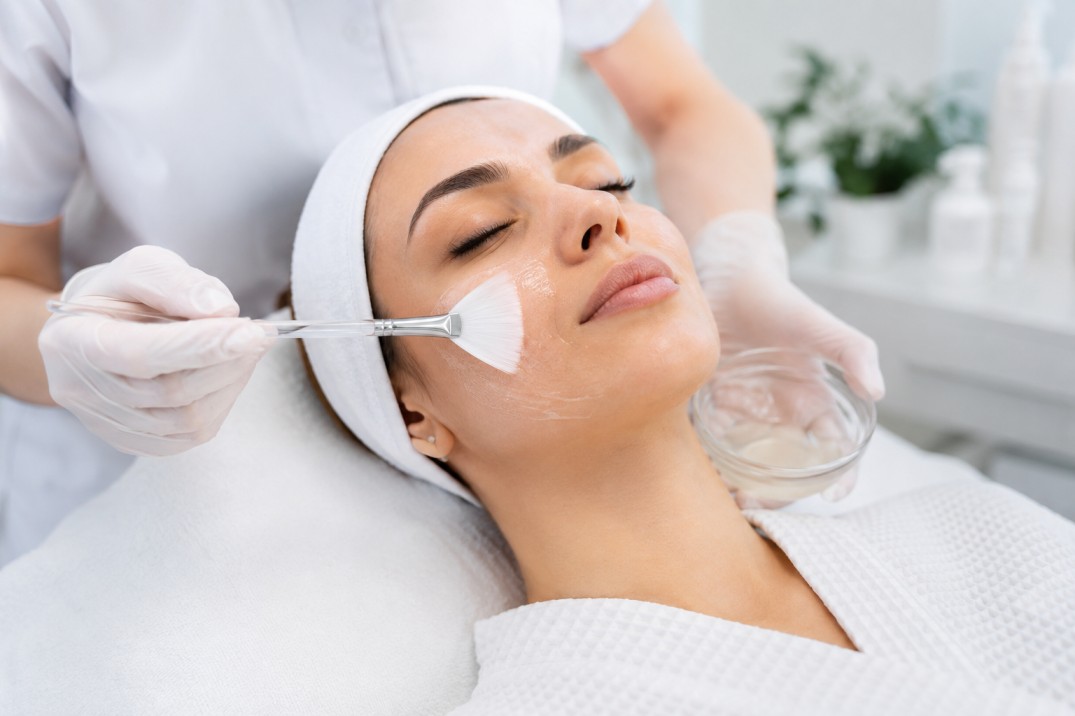
Chemical peels use acids—glycolic, lactic, salicylic, or trichloroacetic acid (TCA)—to remove layers of damaged skin and reveal smoother tissue. Superficial peels require little downtime; medium peels produce more noticeable smoothing but need longer recovery and sun avoidance. Follow professional pre- and post-care to reduce risks; authoritative bodies provide safety guidance on peel selection and aftercare (American Academy of Dermatology).
Microneedling (collagen induction therapy)
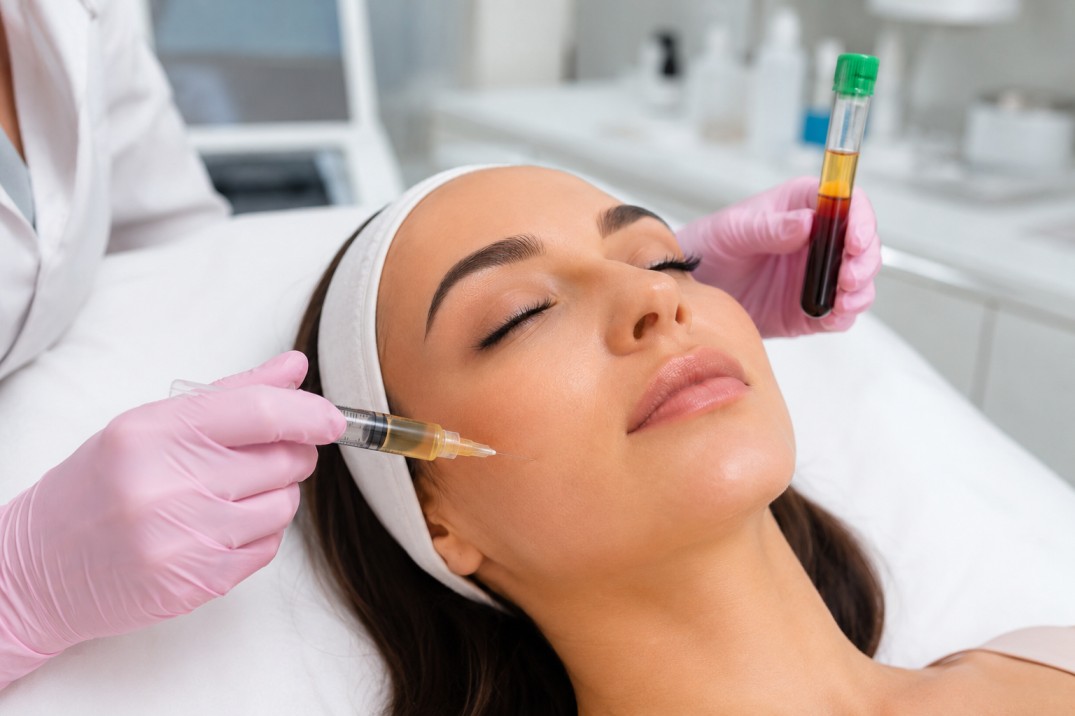
Microneedling creates controlled micro-injuries to stimulate collagen and elastin. Good for mild-to-moderate acne scarring and overall texture. Combining microneedling with topical serums or PRP can improve outcomes; multiple sessions spaced weeks apart are typical.
Fractional laser resurfacing
Fractional lasers (ablative and non-ablative) vaporize columns of skin to trigger remodeling. Ablative fractional lasers produce stronger results for deep scarring but require more downtime. Non-ablative options have fewer side effects but need more sessions.
Radiofrequency (RF) microneedling and RF resurfacing
RF devices add heat to microneedling or surface treatments to tighten skin and boost collagen. Often chosen for mild sagging and textural irregularities with moderate downtime and progressive results.
Microdermabrasion and dermaplaning
These are surface-level exfoliation methods that remove dead skin and fine surface irregularities. Best for texture caused by flaking and roughness rather than deep scarring.
3R SmoothSkin Framework: Plan treatments like a clinician
Use a named checklist to sequence care and set realistic expectations.
- Resurface: Start with exfoliation or light peels to remove surface scale and prepare skin for deeper work.
- Rebuild: Apply collagen-stimulating procedures—microneedling, fractional laser, RF—to target deeper texture and scarring.
- Restore: Finish with maintenance—topical retinoids, moisturizers, sunscreen, and occasional light peels—to protect results.
Example scenario
Client A has moderate boxcar acne scarring and sun-damaged texture. Recommended path: 2–3 microneedling sessions spaced six weeks apart (Rebuild), followed by a medium-depth chemical peel (Resurface) once the skin stabilizes, then a maintenance program of topical retinol and quarterly light peels (Restore). Expected timeline: 4–6 months to notice marked improvement.
Comparing effectiveness, downtime, and suitability
Every option involves trade-offs between effectiveness and recovery. Generally: microdermabrasion/dermaplaning = low downtime, modest change; chemical peels = variable; microneedling/RF = moderate downtime, good for collagen induction; fractional lasers = highest efficacy for deep scars, highest downtime.
Common mistakes and trade-offs
- Choosing the deepest treatment first—Risk: overtreatment and longer recovery. Trade-off: slower, staged approach is safer and often yields better long-term results.
- Skipping preconditioning—Using retinoids or light peels before deeper resurfacing improves outcomes and reduces complications.
- Ignoring sun protection—UV exposure undoes progress; strict sunscreen is essential after any resurfacing.
- Mismatching device to skin type—Darker skin tones need cautious protocols to minimize hyperpigmentation risk.
Practical tips for planning treatment at a med spa
- Bring a concise history of past procedures and medications—this affects peeling and laser safety.
- Ask for before-and-after photos from patients with similar skin type and texture severity.
- Request a clear timeline: number of sessions, expected downtime, and measurable goals.
- Plan seasonal timing: deeper resurfacing is best when consistent sun avoidance is possible (e.g., fall/winter).
Core cluster questions
- How long does it take to see results after microneedling for texture?
- Which chemical peel depth is best for texture vs. pigmentation?
- Can laser resurfacing cause permanent changes in skin color for darker skin tones?
- What maintenance schedule keeps skin texture smooth after initial treatments?
- How do topical retinoids fit into a med spa resurfacing plan?
FAQ
What spa procedures for uneven skin texture deliver the fastest visible smoothing?
Superficial chemical peels and microdermabrasion show the fastest visible smoothing for mild roughness—effects are immediate but subtle. For deeper, more lasting improvement, microneedling or fractional lasers produce meaningful remodeling over several weeks to months.
Is microneedling or laser better for acne scarring?
Both are effective. Microneedling is versatile with lower relative risk and good results for rolling or shallow boxcar scars. Fractional ablative lasers generally produce stronger improvement for deep scarring but come with longer downtime and higher complication risk in darker skin tones.
How many sessions are usually needed?
Typical courses: light peels or microdermabrasion—1–4 sessions; microneedling—3–6 sessions spaced 4–8 weeks apart; fractional laser—1–3 sessions depending on intensity. Individual protocols vary by severity and device settings.
Are there side effects or risks to consider?
Common short-term effects: redness, swelling, peeling, and temporary sensitivity. Less common: infection, scarring, or pigment changes. Proper pre-treatment evaluation, device calibration, and aftercare minimize risks.
How should skin be cared for after resurfacing treatments?
Follow provider instructions: gentle cleansing, prescribed topical ointments if needed, strict sunscreen, and avoiding active ingredients (like strong acids or retinoids) until cleared. Gradually reintroduce maintenance products as skin heals.