Wall Painting Ideas to Elevate Your Home’s Ambiance: Practical Color Strategies
-

- Published Updated
- 534 views
Fresh paint is one of the fastest ways to change how a room feels. This guide covers practical wall painting ideas that lift mood, add depth, and improve flow—whether choosing accent walls, neutral wall color ideas, or textured finishes.
- Primary focus: wall painting ideas to guide color choice, placement, and finish.
- Includes a named framework (PAINT), a checklist, a real-world scenario, and 3–5 actionable tips.
- Secondary keywords included: accent wall paint ideas; neutral wall color ideas.
- Core cluster questions at the end for internal linking and follow-up articles.
Wall Painting Ideas That Elevate Your Home's Ambiance
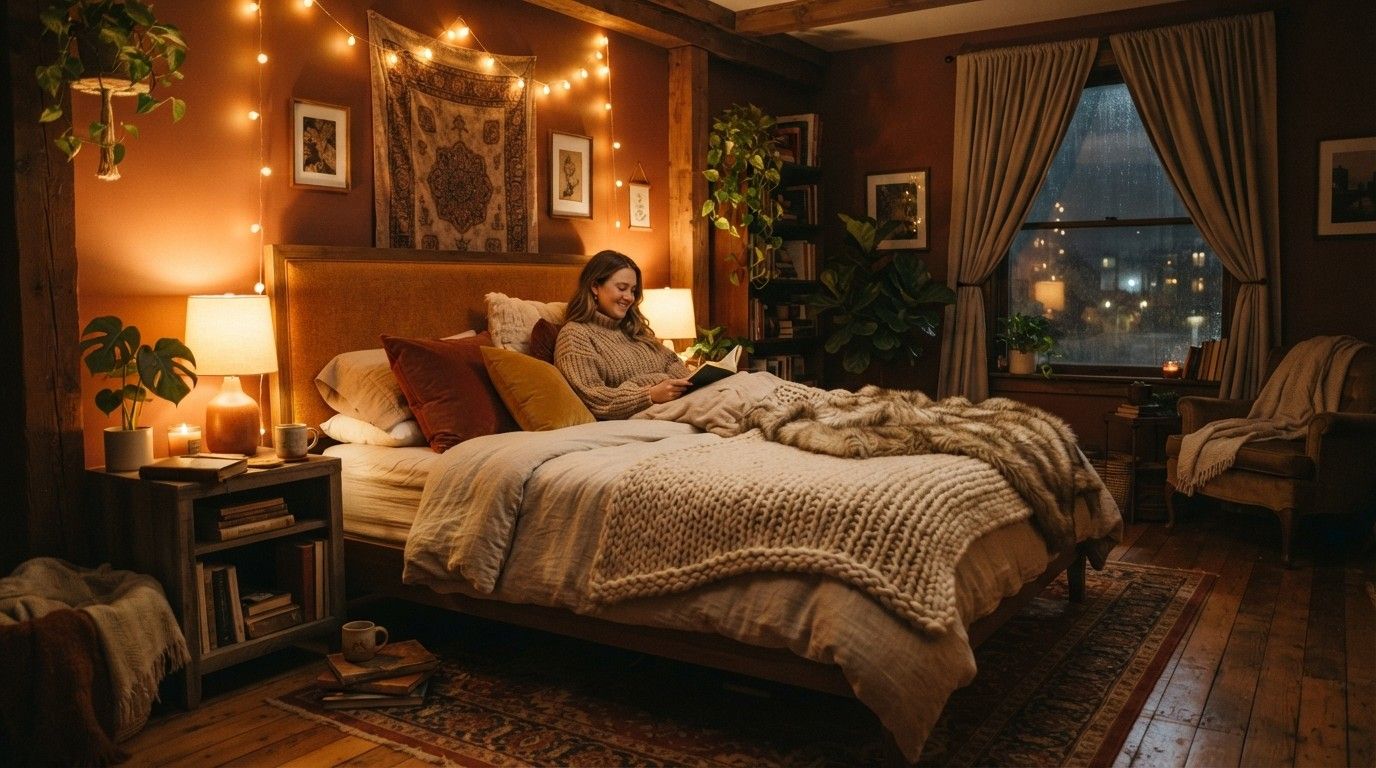
Start by matching a painting strategy to how a room is used: social rooms benefit from warm, inviting hues; bedrooms perform better with calm, cool tones. The first step in any change is to test color samples under the room’s natural and artificial light before committing.
Choose a Color Strategy
Identify function and mood
Map rooms by function: energize (kitchen, home gym), relax (bedroom, reading nook), highlight (entryway, fireplace wall). Use color psychology sparingly—focus on perceived warmth, saturation, and contrast instead of strict rules.
Accent wall paint ideas vs. whole-room color
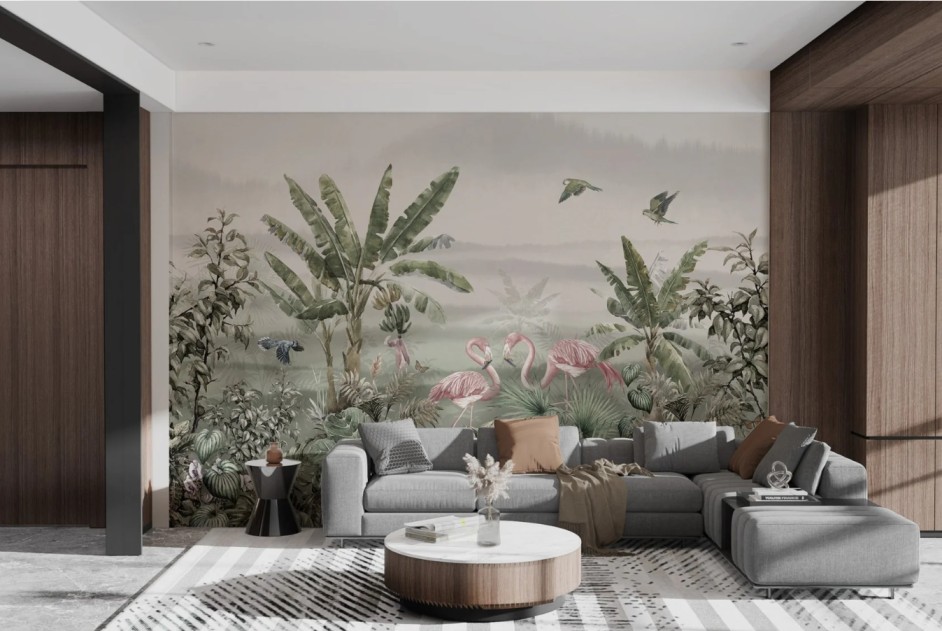
An accent wall can anchor furniture and artwork without overwhelming the space. Use accent wall paint ideas like deeper tones, textured finishes, or a complementary color to the main palette. For smaller rooms, a single accent wall is typically less costly and reversible.
Neutral wall color ideas for flexible spaces
Neutral palettes—warm beiges, greige, soft grays, and muted greens—create a backdrop that adapts to changing furniture and art. When selecting a neutral, sample large swatches on multiple walls and observe them at different times of day.
The PAINT Framework: A Simple Checklist for Every Project
The PAINT framework helps standardize decisions and reduces rework.
- Plan: Measure walls, identify focal points, decide finish levels.
- Assess: Test swatches in light, check undertones, evaluate existing trim and flooring.
- Improve: Repair cracks, patch holes, and prime problem areas.
- Navigate finishes: Choose matte, eggshell, satin, or semi-gloss based on durability needs.
- Test & apply: Do small test patches, confirm drying color, then paint in logical sections.
Techniques and Finishes That Add Ambiance
Flat, matte, and eggshell
Matte hides imperfections and works well in low-traffic intimate spaces. Eggshell provides a subtle sheen and is easier to clean—good for living rooms.
Satin and semi-gloss
Satin or semi-gloss adds washability and highlights architectural trim. Use semi-gloss for doors and moldings to create contrast with matte walls.
Textured finishes and layering
Techniques like color washing, ragging, or plaster finishes create depth without loud color. Layering a translucent glaze over a base coat can produce a soft, lived-in look that reads as sophisticated rather than busy.
Practical Tips for a Successful Paint Project
- Always test 12x12" patches on multiple walls; evaluate at night and in daylight.
- Match finish to use: high gloss for trim, satin for kitchens, matte for adult bedrooms.
- Buy a small extra amount of paint for future touch-ups; store the extra in a sealed can with label and date.
- Use painter's tape sparingly—remove it within 60 minutes of semi-dry time to avoid peeling.
- Consider low-VOC or water-based paints for better indoor air quality. For guidance on painting and remodeling precautions refer to the EPA’s painting and remodeling tips here.
Common Mistakes and Trade-offs
Overly bold color everywhere
Painting every wall in a highly saturated color can reduce perceived space and limit décor options. Trade-off: a bold whole-room color creates drama but reduces flexibility for furniture changes.
Wrong finish for the room
Choosing a high-gloss finish in bedrooms can create unwanted reflections; selecting flat paint in a child's playroom leads to frequent touch-ups. Match sheen to traffic and cleaning needs.
Ignoring undertones
Two paints labeled "greige" can read differently because of blue or yellow undertones. Sample broadly and observe with the room’s lighting before purchasing full quantities.
Real-World Example
Scenario: A 220 sq ft living room with pale oak floors felt cold and disjointed. Solution: One wall behind the sofa received a deep olive accent in eggshell, opposite walls were painted a warm greige in matte, and trim got a satin white. Result: The room felt cozier and the olive framed the artwork, increasing perceived depth without losing brightness.
Core Cluster Questions
- How to choose the best accent wall for a small living room?
- What are low-VOC paint benefits for indoor air quality?
- Which paint finishes are best for high-traffic areas?
- How to test paint swatches accurately under different lighting?
- What are budget-friendly ways to update walls without full repainting?
Secondary keywords
FAQ
What are the best wall painting ideas for a small room?
Use lighter neutrals to reflect light, add one vertical accent wall to increase perceived height, and choose matte or eggshell finishes to minimize glare.
How do accent wall paint ideas change a room’s layout?
An accent wall can visually anchor seating or emphasize architectural elements. Place the accent where attention naturally falls—behind a fireplace, sofa, or bed—to create balance.
How long before a painted wall can be decorated or hung with art?
Wait at least 24–48 hours for most latex paints to cure enough for light hanging; full cure may take up to 14 days—follow manufacturer guidance for heavy objects and adhesives.
How to test paint samples to avoid surprises?
Brush or roll 12x12" patches on different walls, observe throughout the day, and view with your planned textiles and lighting. Record brand, color name, and batch number on each sample.
How can wall painting ideas be adapted for rental homes?
Choose removable wallpaper, peel-and-stick murals, or washable neutral paints and use accent trim or artwork to personalize without permanent changes. Temporary wallpaper and decals avoid deposit loss and are reversible.